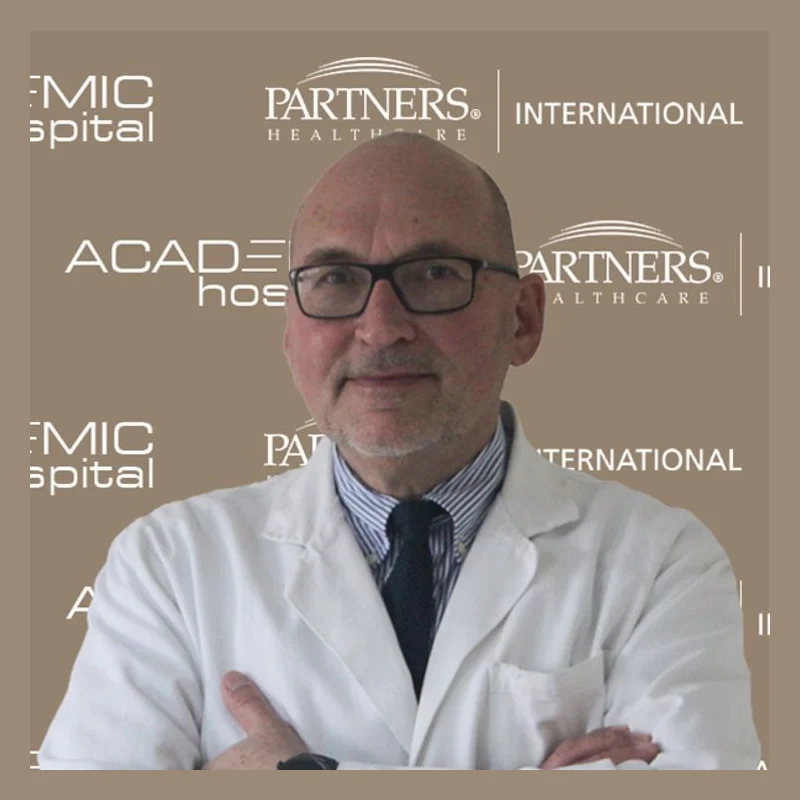
Prof. Dr. Turgay Çelikel
OncologyVerified
- 47+years exp.
English · Turkish
FromPrice on request
Free quote
60 seconds · no obligationView Profile
Rhabdomyosarcoma is a rare soft-tissue cancer arising from skeletal muscle cells, most commonly diagnosed in children and adolescents. Patients or parents usually seek medical attention upon discovering an enlarging lump, persistent swelling, localised pain, or unexplained bleeding. Because presentation varies according to anatomical location, appropriate treatment options depend on a comprehensive specialist assessment and detailed histological staging. Compare hospitals in Turkey that treat Rhabdomyosarcoma and get a free review of your medical records.

1 doctor Compare doctors, ratings and prices — ask any of them for a free quote.
OncologyVerified
English · Turkish
60 seconds · no obligationView Profile
Rhabdomyosarcoma is a rare soft-tissue cancer arising from skeletal muscle cells, most commonly diagnosed in children and adolescents. Patients or parents usually seek medical attention upon discovering an enlarging lump, persistent swelling, localised pain, or unexplained bleeding. Because presentation varies according to anatomical location, appropriate treatment options depend on a comprehensive specialist assessment and detailed histological staging.
Specialty: Oncology
Depending on the stage and your medical history, doctors may recommend:
The cost of treating Rhabdomyosarcoma depends on the diagnosis and the treatment chosen. Doctors first review your medical records — free of charge — and you then receive an itemised quote.
Options may include Removal of Rhabdomyosarcoma, Complex Treatment of Rhabdomyosarcoma. Your doctor chooses the approach after reviewing your tests and scans.
Rhabdomyosarcoma is treated by Oncology specialists. 2 clinics in Turkey on our platform offer this treatment.
Rhabdomyosarcoma is a rare, malignant soft-tissue cancer that develops from immature skeletal muscle cells known as rhabdomyoblasts. Although these precursor cells normally develop into voluntary muscles, rhabdomyosarcoma can occur anywhere in the body. It is primarily diagnosed in infants, children, and young adults, though it occasionally affects older individuals. The two primary histological subtypes are embryonal rhabdomyosarcoma, which commonly affects the head, neck, and genitourinary tract, and alveolar rhabdomyosarcoma, which typically arises in the limbs or trunk and tends to behave more aggressively.
Symptoms depend heavily on the anatomical site of the primary tumour:
Accurate diagnosis and staging are critical for planning effective therapy. When evaluating a suspected soft-tissue sarcoma, hospitals in Turkey conduct a rigorous sequence of diagnostic procedures. International care teams within an oncology department re-evaluate outside scans and perform fresh investigations to establish precise tissue subtypes and molecular features.
Diagnostic workups typically involve:
Families traveling for care should bring all original digital imaging DICOM files, prior pathology slides or paraffin blocks, surgical reports, and detailed summaries of any systemic treatments already administered.
Managing rhabdomyosarcoma requires a coordinated multimodal approach involving pediatric or adult medical oncologists, surgical oncologists, radiation oncologists, and pathologists. Treatment decisions depend on the specific subtype, primary site, tumor size, completeness of surgical resection, and staging group.
| Option | Typically Used When | Things to Know |
|---|---|---|
| Systemic Chemotherapy | Virtually all confirmed cases of rhabdomyosarcoma. | Uses combination regimens (such as VAC: vincristine, actinomycin D, and cyclophosphamide) to shrink primary tumours and eradicate microscopic metastatic cells. |
| Surgical Resection | Localized tumours where complete excision is possible without severe functional loss. | Performed by specialized teams in paediatrics or general surgery; complete removal with clear margins significantly improves local control. |
| Radiotherapy | Residual microscopic disease after surgery, unresectable tumours, or high-risk sites. | Delivers targeted radiation to destroy remaining cancer cells. Proton therapy or advanced intensity-modulated radiotherapy (IMRT) helps protect adjacent healthy tissue. |
Depending on organ involvement, complex reconstructive procedures may be planned alongside tumor resection. For instance, pelvic tumours may involve consultations in urology or gynaecology to preserve organ function wherever feasible.
Because rhabdomyosarcoma therapies extend over several months, international patients require structured logistics. Initial coordination begins with a remote records review, allowing multidisciplinary tumor boards to provide a preliminary diagnostic and therapeutic framework before travel.
Patients should plan for an initial diagnostic and consultation phase lasting 1 to 2 weeks. If definitive surgery or intensive initial chemotherapy is scheduled in Turkey, stays frequently extend from several weeks to months. Alternatively, some families complete primary surgery or specialized radiation in Turkey and return home for maintenance chemotherapy under joint medical supervision. Prior to departure, patients receive comprehensive discharge dossiers detailing exact drug dosages, radiation maps, surgical notes, and a structured follow-up schedule for local oncologists.
Long-distance travel is not recommended if the patient is experiencing severe neutropenia (dangerously low white blood cell counts), active uncontrolled systemic infections, severe respiratory distress due to thoracic metastases, or unstable neurological status. Air travel with acute bowel obstruction or severe unmanaged bleeding is also contraindicated.
Immediate local medical attention must be sought if any of the following warning signs occur:
The exact cause of rhabdomyosarcoma is unknown. Most cases occur sporadically due to non-inherited genetic mutations in developing muscle cells. A small percentage of cases are associated with underlying genetic conditions, such as Li-Fraumeni syndrome, neurofibromatosis type 1, or Beckwith-Wiedemann syndrome.
Prognosis depends on factors such as tumour location, stage, age of the patient, histological subtype, and completeness of surgical removal. Low-risk, localized tumours have favorable long-term outcomes with multimodal treatment. High-risk or metastatic cases require more intensive therapies, and outcomes vary. Your multidisciplinary oncology team will provide an individualized assessment.
Comprehensive treatment for rhabdomyosarcoma usually spans 24 to 66 weeks, depending on the risk group and treatment protocol. This timeline encompasses initial multi-agent chemotherapy, local treatment with surgery or radiation therapy, and subsequent consolidation or maintenance chemotherapy.
During active chemotherapy or radiation, energy levels fluctuate and immune function is compromised, often requiring temporary breaks from formal school attendance. Many families utilize hospital-based educational services, home tutoring, or online learning when the child feels well enough, avoiding crowded public settings when blood counts are low.
After completing therapy, regular surveillance is essential to monitor for potential recurrence and manage long-term treatment effects. Follow-up includes periodic physical examinations, chest CT scans, regional MRI scans, and blood tests every few months for the first few years, gradually decreasing in frequency over time.
Your request is in!
Your coordinator will contact you — usually within 2 hours, 24/7.
Want a faster, more accurate assessment?
Add photos & medical detailsLeave your number — a coordinator calls you in your language, usually within 15 minutes during office hours.
Thank you!
A coordinator will contact you at the time you chose.

