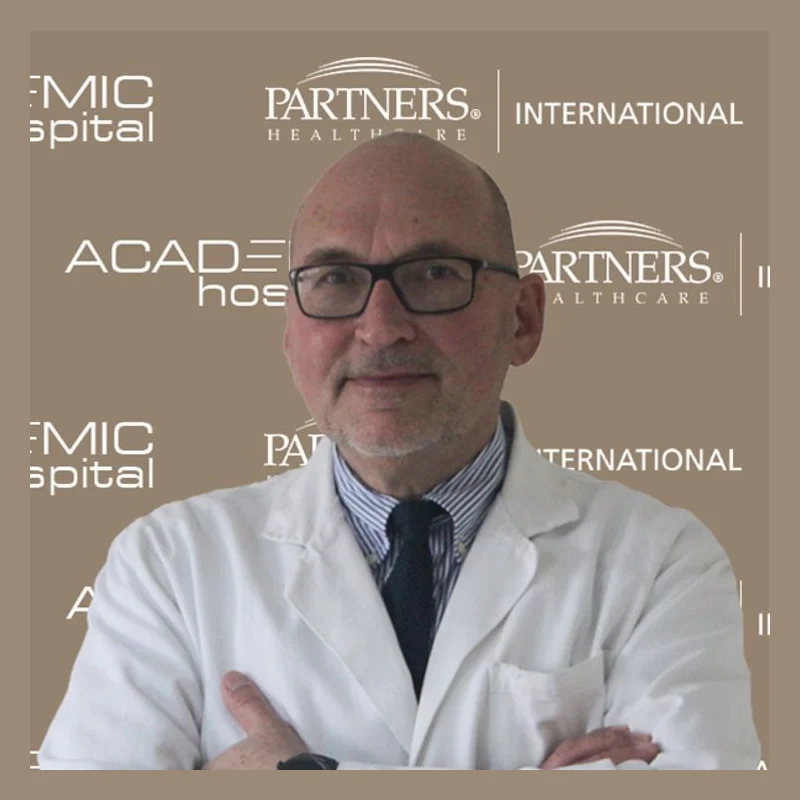
Prof. Dr. Turgay Çelikel
OncologyVerified
- 47+years exp.
English · Turkish
FromPrice on request
Free quote
60 seconds · no obligationView Profile
Fanconi anaemia is a rare inherited disorder that impairs bone marrow function and increases vulnerability to DNA damage. It typically affects children and young adults, who may present with severe fatigue, recurrent infections, bruising, or developmental abnormalities. Managing this complex haematological condition requires careful clinical monitoring, and potential treatment options depend on a detailed specialist assessment. Compare hospitals in Turkey that treat Fanconi Anemia and get a free review of your medical records.

1 doctor Compare doctors, ratings and prices — ask any of them for a free quote.
OncologyVerified
English · Turkish
60 seconds · no obligationView Profile
Fanconi anaemia is a rare inherited disorder that impairs bone marrow function and increases vulnerability to DNA damage. It typically affects children and young adults, who may present with severe fatigue, recurrent infections, bruising, or developmental abnormalities. Managing this complex haematological condition requires careful clinical monitoring, and potential treatment options depend on a detailed specialist assessment.
Specialty: Oncology
The cost of treating Fanconi Anemia depends on the diagnosis and the treatment chosen. Doctors first review your medical records — free of charge — and you then receive an itemised quote.
Fanconi Anemia is treated by Oncology specialists. 2 clinics in Turkey on our platform offer this treatment.
Fanconi anemia is a rare, inherited genetic condition characterized by a impaired ability to repair damaged DNA. This defect leads to bone marrow failure, preventing the body from producing sufficient red blood cells, white blood cells, and platelets. Because DNA repair pathways are disrupted, individuals with this condition also face a significantly elevated risk of developing acute myeloid leukaemia and solid tumors, particularly of the head, neck, and gynaecological tracts.
Symptoms typically present during early childhood, though milder forms may not be identified until young adulthood. Key clinical signs include:
Because Fanconi anemia affects multiple organ systems, care often requires a multidisciplinary medical strategy involving experts in clinical haematology, medical Oncology, and genetics.
Accurate diagnosis is critical because standard chemotherapy and radiation protocols can be life-threatening to patients with Fanconi anemia due to their extreme sensitivity to DNA-damaging agents. Advanced diagnostic centres in Turkey utilize specialized testing to confirm the condition before recommending any invasive interventions.
The definitive test for Fanconi anemia is a chromosome breakage test. Lymphocytes from a blood sample are exposed to DNA cross-linking agents, such as diepoxybutane (DEB) or mitomycin C (MMC). Cells with Fanconi anemia display characteristic structural chromosome breakage and rearrangements. Additional testing includes flow cytometry to assess bone marrow cell counts, next-generation genetic sequencing to identify specific gene mutations, and bone marrow biopsies to monitor for dysplastic changes or leukemia.
International patients planning an assessment in Turkey should compile comprehensive medical records prior to travel, including:
Management of Fanconi anemia focuses on supportive care to manage bone marrow failure, treating associated malignancies, and, when indicated, restoring healthy blood production. Decisions regarding specific therapies depend entirely on the patient's age, bone marrow function, and genetic profile, determined after direct clinical examination.
| Option | Typically Used When | Things to Know |
|---|---|---|
| Allogeneic Stem Cell Transplant | Severe bone marrow failure or early myelodysplastic syndrome occurs. | The only potential cure for haematological failure. Requires modified, reduced-intensity conditioning due to cellular fragility. |
| Androgen Therapy | Transplant is not immediately viable or an HLA-matched donor is unavailable. | Can temporarily stimulate red cell and platelet production. Requires close monitoring for liver toxicity and side effects. |
| Growth Factors & Supportive Care | Managing active infections or severe anemia in stable patients. | Includes regular transfusions and administration of granulocyte colony-stimulating factor (G-CSF). Does not alter underlying genetic risk. |
Supportive care may involve consultations in Paediatrics for young patients, as well as referral to ENT specialists for screening of early head and neck mucosal changes.
Traveling abroad for complex haematological care requires methodical planning. Patients usually undergo a preliminary remote review of their medical dossiers by host clinicians to determine whether travel is clinically feasible.
Upon arrival, patients undergo physical evaluation, repeat laboratory panels, and baseline imaging through Check-ups & Diagnostics services. If an allogeneic stem cell transplant is planned, international patients must anticipate a stay of several months. This accounts for donor matching verification, conditioning, the transplant procedure, and an extended post-transplant recovery phase in an isolated, protective environment to minimize infection risks.
Before returning home, clinicians establish a coordinated follow-up protocol with the patient's local haematologist. Long-term surveillance remains vital, including routine screenings for solid tumours and regular organ health reviews in specialized fields such as Gynaecology or Endocrinology.
International travel is not advisable for all individuals with Fanconi anemia. Patients with severe, uncorrected thrombocytopenia (extremely low platelet counts) face high risks of spontaneous bleeding during air travel due to cabin pressure alterations. Similarly, individuals with severe neutropenia (profoundly low white blood cell counts) face life-threatening infection risks in public transit settings.
Patients should seek urgent local emergency care rather than attempting international travel if they experience:
Fanconi anemia is a rare inherited genetic disorder that impairs the body's ability to repair damaged DNA. This leads to progressive bone marrow failure, physical malformations, and an increased risk of developing solid tumours and blood cancers such as acute myeloid leukaemia.
Diagnosis is primarily confirmed through a chromosome breakage test using diepoxybutane (DEB) or mitomycin C (MMC) on blood cells. Specialists also perform bone marrow aspirates, comprehensive blood counts, and targeted genetic sequencing to assess specific gene variants and marrow cellularity.
An allogeneic hematopoietic stem cell transplant can cure the bone marrow failure associated with Fanconi anemia by restoring normal blood cell production. However, stem cell transplantation does not repair the genetic defect in other body tissues or eliminate the long-term risk of solid tumours.
Patients undergoing a stem cell transplant typically need to stay in Turkey for three to six months. This period covers pre-transplant conditioning, the inpatient transplant procedure, and critical post-transplant monitoring to manage graft-versus-host disease and prevent severe infections.
Air travel may be unsafe if a patient has extremely low platelet counts or severe neutropenia, as these conditions significantly increase the risk of internal bleeding or life-threatening infections. A treating haematologist must assess blood counts and clear the patient prior to flying.
Your request is in!
Your coordinator will contact you — usually within 2 hours, 24/7.
Want a faster, more accurate assessment?
Add photos & medical detailsLeave your number — a coordinator calls you in your language, usually within 15 minutes during office hours.
Thank you!
A coordinator will contact you at the time you chose.

