

Choosing to travel abroad for healthcare is an important step that requires balanced planning, clear information, and realistic expectations. When evaluating medical tourism destinations in Turkey, overseas patients discover several cities offering distinct healthcare infrastructures, transport links, and convalescence environments. While the surroundings in which you recover certainly influence your comfort, clinical suitability must always take precedence over the attractiveness of a destination. Selecting the right facility and medical expertise for your specific healthcare needs provides the safest foundation for your treatment abroad.
Why should hospital capabilities come before the choice of city?
A frequent error among international patients is choosing an appealing holiday destination first and then seeking medical care within that vicinity. In clinical travel, this sequence should be reversed. Your primary focus must always rest upon identifying accredited hospitals that possess the clinical specialties, diagnostic equipment, and surgical standards required for your particular procedure.
Certain treatments demand specialised intensive care units, advanced imaging technologies, or multidisciplinary teams. These capabilities are concentrated in dedicated medical institutions rather than distributed evenly across every town. By consulting with qualified doctors who routinely perform your required intervention, you ensure that clinical safety and standard of care guide your journey, rather than tourism preferences.
How do medical tourism destinations in Turkey differ for overseas patients?
Different regions across the country provide distinct advantages depending on the nature of your planned medical care. Understanding how medical tourism destinations in Turkey differ allows you to match clinical needs with geographical realities, ensuring a comfortable stay from arrival through to discharge and post-operative follow-up.
Large metropolitan centres offer extensive hospital campuses, tertiary medical departments, and frequent direct international flights, which significantly reduces overall travel time. Conversely, coastal or regional locations offer calmer environments that may appeal to patients undergoing elective, outpatient, or dental treatments. To understand how logistics and medical stages coordinate, reading about how treatment journeys work helps patients navigate each phase safely.
Which cities serve as key medical tourism destinations in Turkey?
Several major cities serve the majority of foreign patients seeking treatment in Turkey, each presenting distinct clinical features, transport access, and recovery settings:
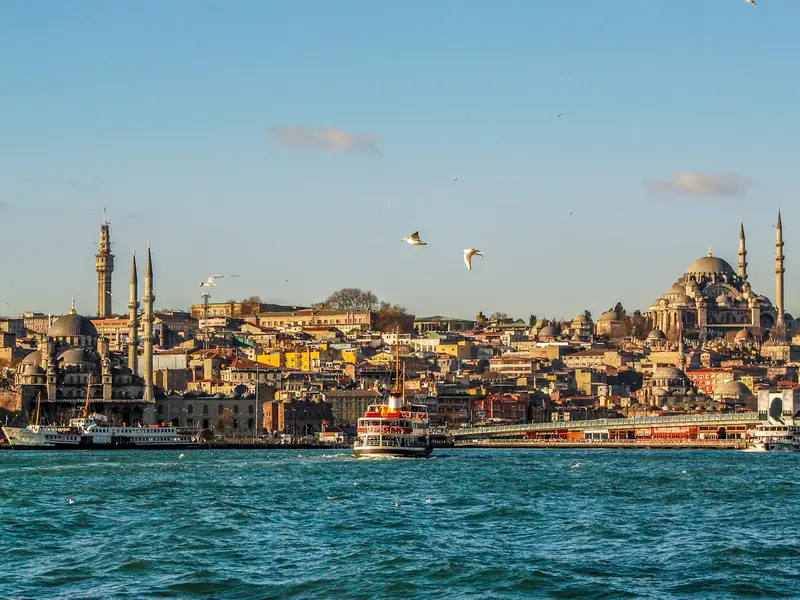
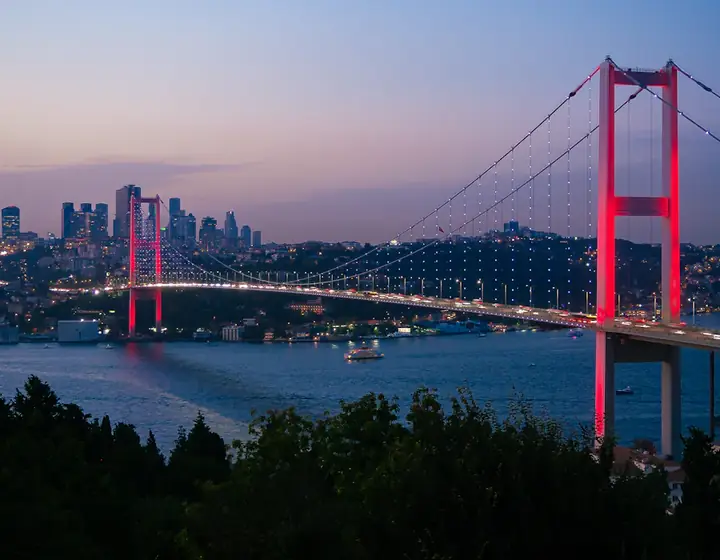
- Istanbul: As the primary transport hub of the nation, Istanbul offers international airports with direct flights connecting to global cities. The metropolis houses comprehensive hospital networks capable of addressing complex, tertiary medical conditions. While urban traffic requires patient planning when travelling to appointments, the depth of specialised medical departments remains substantial.
- Ankara: The capital city is an established centre for academic medicine, research faculties, and specialised clinical institutes. Ankara features a well-structured urban grid with less transit congestion than Istanbul, making local travel between accommodation and clinics predictable. It is well suited for complex diagnostic evaluations, specialist consultations, and oncology care.
- Antalya: Located on the Mediterranean coast, Antalya combines private hospital facilities with a mild maritime climate. It is commonly selected for dental procedures, cosmetic interventions, and elective surgeries where recovery benefits from gentle sunshine and peaceful coastal surroundings, supported by international airport access.
- Izmir: Situated on the Aegean coast, Izmir offers modern healthcare institutions within an organised, coastal metropolis. Known for its relaxed pace of life, pleasant air quality, and efficient transit links, Izmir provides a balanced environment for elective surgeries, ophthalmology treatments, and unhurried recovery.
- Bursa: Located near the Sea of Marmara, Bursa is known for its healthcare institutions and thermal wellness traditions. The city is often selected for physical rehabilitation, orthopaedic convalescence, and general surgery. Bursa is conveniently accessed via road transit or ferry connections from Istanbul.
How do travel links and seasonal climate affect post-operative recovery?
The ease of reaching your destination directly influences your physical comfort. Extended journeys involving multiple flight transfers or lengthy car journeys can exacerbate post-operative swelling, fatigue, and surgical pain. Selecting a destination with direct flight links helps preserve your stamina both before admission and following discharge.
Seasonal climate also plays a critical role in healing. High summer temperatures in southern coastal cities can cause discomfort for patients wearing compression garments or surgical bandaging. In contrast, colder winter weather in central Anatolia requires warm clothing and heated indoor spaces. Reviewing local weather patterns for your intended travel dates ensures a calm, comfortable recuperation.
What practical checklist should you follow before travelling?
Preparing for medical travel requires thorough organisation to ensure your visit proceeds smoothly. Patients should confirm their full treatment plan and obtain written instructions concerning required recuperation duration before booking flights. Arranging quiet accommodation in close proximity to the hospital minimises travel strain between follow-up appointments.
You should also verify your passport validity, secure appropriate travel insurance, and ensure all existing medical records are translated and shared with your clinical team. Maintaining clear communication is essential, so do not hesitate to contact our team whenever questions arise regarding hospital admission, logistics, or pre-travel preparations.