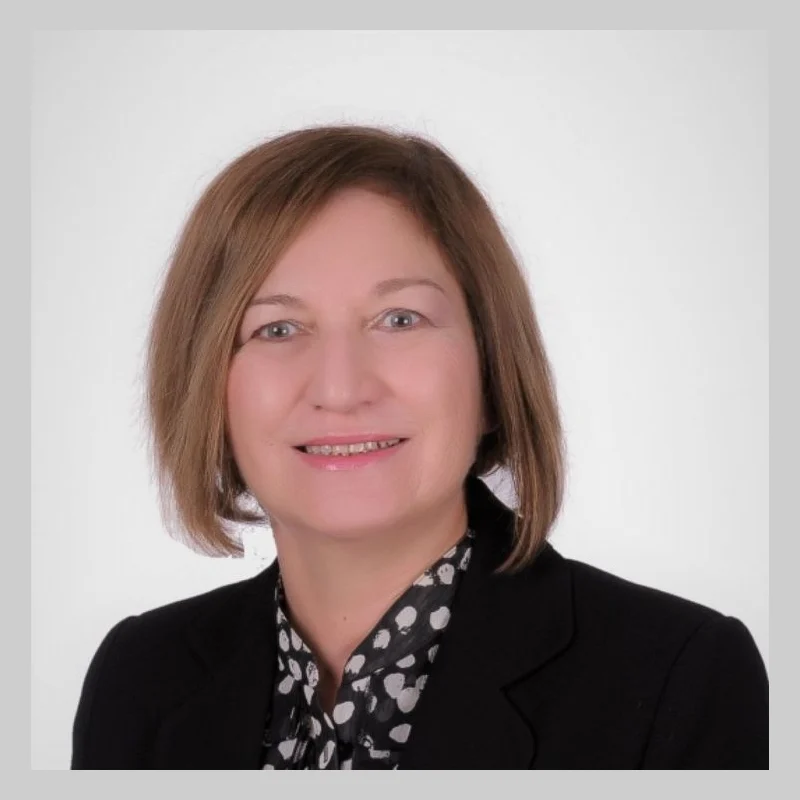
Dr. Tülay Yarkın
Pulmonology & Thoracic SurgeryVerified
- 28+years exp.
English · Turkish
FromPrice on request
Free quote
60 seconds · no obligationView Profile
A guide to thoracic surgery and pulmonology in Turkey: lobectomy, segmentectomy and wedge resection for lung cancer, bronchoscopy with biopsy, pectus excavatum and thymectomy, what foreign patients should know about lung transplantation, approximate costs compared with the UK, US and Germany, packages, safety and accreditation, how to choose a hospital, how long to stay and when it is safe to fly.
A written plan with the surgeon's name and the full price — usually within 24 hours.

1 doctor Compare doctors, ratings and prices — ask any of them for a free quote.
Pulmonology & Thoracic SurgeryVerified
English · Turkish
60 seconds · no obligationView Profile
Thoracic surgeons operate on the lungs, the airways, the chest wall and the mediastinum — the space between the lungs where the thymus lies. Pulmonologists diagnose and treat lung disease, and perform bronchoscopy. In Turkey thoracic surgery is a specialty of its own, and large hospitals in Istanbul, Ankara and other cities have thoracic surgery departments with keyhole (VATS) and, in some hospitals, robotic surgery. International patients come mainly for lung cancer surgery, for a diagnosis of a lung nodule, and for pectus excavatum correction.
Lung surgery is major surgery. Whether an operation is right depends on the diagnosis, the stage of a tumour and on how well your lungs work — not on the price. A careful team will test your lung function first, discuss your case in a tumour board, and tell you when another treatment suits you better than an operation.
This guide explains the common operations, approximate costs, how to check a hospital, how long to stay and when it is safe to fly home. You can send your CT or PET-CT and reports through our site for a free review by a thoracic surgeon; you decide only after you have a written plan.
Browse every Pulmonology & Thoracic Surgery treatment available at our partner hospitals in Turkey, grouped by category.
None of the hospitals on our site publishes a fixed price in this specialty yet: the cost depends on the diagnosis, the approach (open, VATS or robotic), the nights in hospital and intensive care. The table shows approximate ranges; the Turkish figures are confirmed only in a written quote after a surgeon has reviewed your scans. Prices in other countries are rough private-sector totals.
| Treatment | Turkey (approximate, confirmed in a written quote) | United Kingdom (private) | United States | Germany (private) |
|---|---|---|---|---|
| Lobectomy (VATS) | about €12,000–€20,000 | about £15,000–£25,000 | about $30,000–$60,000 | about €12,000–€20,000 |
| Lung segmentectomy | about €12,000–€20,000 | about £15,000–£25,000 | about $30,000–$60,000 | about €12,000–€20,000 |
| Wedge resection | about €7,000–€12,000 | about £10,000–£16,000 | about $20,000–$40,000 | about €8,000–€14,000 |
| Bronchoscopy with biopsy | about €1,000–€2,500 | about £2,000–£4,000 | about $3,000–$8,000 | about €1,500–€3,000 |
| Pectus excavatum (Nuss procedure) | about €8,000–€14,000 | about £15,000–£25,000 | about $25,000–$50,000 | about €10,000–€18,000 |
| Thymectomy | on request | about £12,000–£20,000 | about $25,000–$50,000 | about €10,000–€18,000 |
Tests before surgery — PET-CT, staging of the lymph nodes, lung function tests — are often charged separately if they have not been done at home. Ask for a quote that names the surgeon, the approach, the nights in hospital and intensive care, and what happens if the operation has to be converted to open surgery.
For early-stage non-small-cell lung cancer, surgery gives many patients the greatest chance of cure. Before any operation, the team should confirm the diagnosis and the stage with a CT, a PET-CT, often a brain MRI, and a check of the lymph nodes in the chest (for example by EBUS bronchoscopy), and assess whether your lungs can manage with less tissue.
Chemotherapy, immunotherapy, targeted drugs or radiotherapy are often given before or after surgery. Agree where this treatment will continue; see our cancer treatment guide. If you smoke, stopping before surgery lowers the risk of lung complications.
Turkey has lung transplant centres, but lung transplantation is rarely an option for foreign patients. Organs from deceased donors are allocated through the national waiting list, and foreign patients generally cannot receive them. A living-donor lobar lung transplant needs healthy donors — usually two, each giving one lower lobe — who must normally be close relatives, and the hospital's ethics committee must approve every case. Very few centres in the world perform it. We cannot promise that a transplant is available; a centre will first decide, after full tests, whether you and your donors are suitable. After a transplant, lifelong medication and close follow-up are needed, usually for months near the centre.
A typical package includes the surgeon's and anaesthetist's fees, the operation, the hospital stay with planned intensive care, standard tests before surgery, check-ups and a chest X-ray before you fly, transfers and an interpreter. Often not included: PET-CT or other staging tests, the pathology of extra samples, a longer stay because of an air leak, chemotherapy or radiotherapy, hotel nights after discharge, a companion's costs and flights.
Turkish hospitals need a Ministry of Health licence, and hospitals that treat foreign patients need a health tourism authorisation. Many large private hospitals are accredited by Joint Commission International (JCI); you can check a hospital on the JCI website. For lung surgery, the hospital should have a thoracic surgery team, intensive care, physiotherapy for breathing exercises and a multidisciplinary tumour board for cancer cases.
Red flags: surgery offered without staging or lung function tests, pressure to book quickly, promises of a cure, guarantees about a transplant, and no plan for follow-up at home. You can compare the hospitals on our site with their accreditations and reviews.
| Treatment | Time in Turkey | Back to desk work |
|---|---|---|
| Bronchoscopy with biopsy | 3–7 days (until the result) | 1–2 days |
| Wedge resection (VATS) | 10–14 days | 2–4 weeks |
| Lobectomy or segmentectomy | 14–21 days | 4–8 weeks |
| Pectus excavatum (Nuss) | 10–14 days | 2–4 weeks; no contact sport for months |
| Thymectomy | 10–14 days | 2–6 weeks |
After lung surgery, air left in the chest (a pneumothorax) can expand at altitude and become dangerous. Do not fly until your surgeon has cleared you, usually after a chest X-ray shows no remaining air; after major lung surgery this is often at least two weeks. Read our advice on flying after surgery abroad.
Recovery continues for weeks: breathing exercises, walking every day and pain control. Before you travel, agree with your GP or a chest specialist at home who will see you, and who will continue cancer treatment if needed. Take home the operation report, the pathology report, discharge summary, medicine list and scans on disc. Seek urgent care for sudden breathlessness, chest pain, coughing blood or fever. Normal travel insurance usually excludes planned surgery abroad, so check your cover for complications and a longer stay.
It can be, if the hospital is licensed by the Ministry of Health with a health tourism authorisation, ideally JCI-accredited, with intensive care and a thoracic surgeon experienced in your operation who has reviewed your scans.
No hospital on our site publishes a fixed price yet. A keyhole lobectomy costs roughly €12,000–€20,000 in Turkey, depending on staging tests, nights in hospital and intensive care. The exact price is confirmed in a written quote after a surgeon has seen your scans.
A lobectomy removes one lobe of the lung together with nearby lymph nodes. It is the standard operation for most early-stage lung cancers and is usually done by keyhole (VATS) or robotic surgery.
A lobectomy removes a whole lobe, a segmentectomy one or more segments of a lobe, and a wedge resection a small piece of lung. The smaller operations are used for selected small tumours, for diagnosis or when lung function is limited.
Yes, hospitals offer chemotherapy, immunotherapy, targeted therapy and radiotherapy. Many patients continue this treatment at home; agree the plan before you travel.
Rarely. Foreign patients generally cannot receive organs from deceased donors in Turkey. A living-donor lobar transplant needs suitable donors who are normally close relatives and approval by the hospital's ethics committee, and only a few centres perform it. Availability cannot be promised.
Only when your surgeon clears you, usually after a chest X-ray shows no air left in the chest. After major lung surgery this is often at least two weeks, because a pneumothorax can expand at altitude.
Plan about 14–21 days: usually several days in hospital, then check-ups and a chest X-ray before you are cleared to fly.
Usually with the Nuss procedure: a curved bar is placed under the breastbone by keyhole surgery and removed after about two to three years. Plan about 10–14 days in Turkey.
Many do, and hospitals with international departments provide coordinators and interpreters for English, German, Arabic, Russian and other languages.
Your request is in!
Your coordinator will contact you — usually within 2 hours, 24/7.
Want a faster, more accurate assessment?
Add photos & medical detailsLeave your number — a coordinator calls you in your language, usually within 15 minutes during office hours.
Thank you!
A coordinator will contact you at the time you chose.

