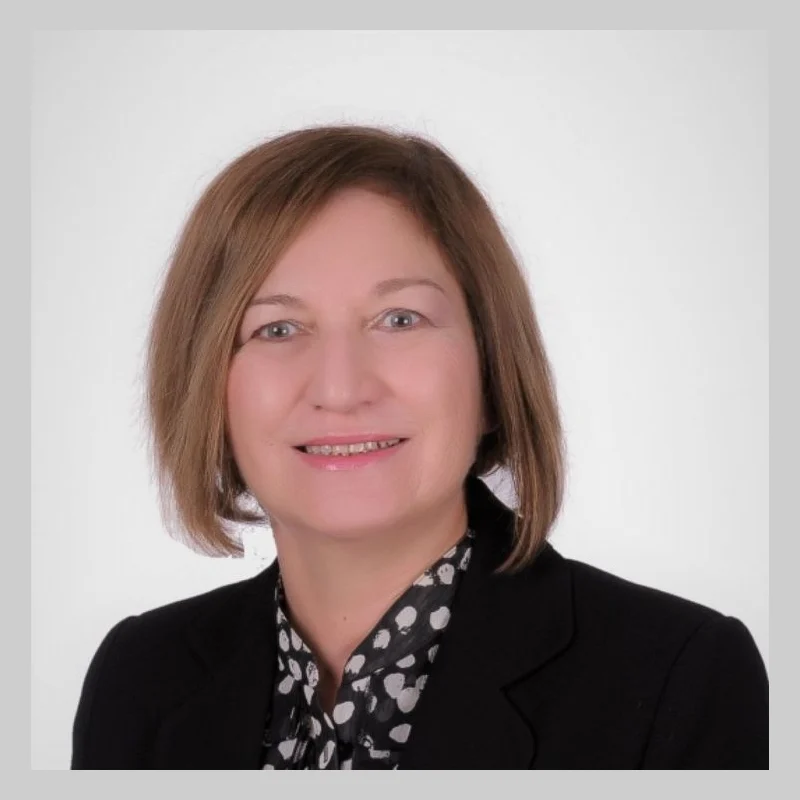
Dr. Tülay Yarkın
Pulmonology & Thoracic SurgeryVerified
- 28+years exp.
English · Turkish
FromPrice on request
Free quote
60 seconds · no obligationView Profile
What airway clearance therapy involves, how techniques like oscillating positive expiratory pressure and high-frequency chest wall oscillation loosen lung secretions, what clinical evidence shows for bronchiectasis and cystic fibrosis, comparative treatment costs in Turkey against the UK, US and Germany, hospital stay duration, realistic pulmonary rehabilitation outcomes, safety considerations and how to evaluate specialised respiratory centres abroad.
A written plan with the surgeon's name and the full price — usually within 24 hours.

1 doctor Compare doctors, ratings and prices — ask any of them for a free quote.
Pulmonology & Thoracic SurgeryVerified
English · Turkish
60 seconds · no obligationView Profile
Airway clearance therapy is a specialised medical approach designed to mobilise and remove excess secretions from the respiratory tract. In healthy lungs, microscopic cilia continuously sweep mucus upwards to clear inhaled irritants. In conditions like bronchiectasis, cystic fibrosis, and chronic obstructive pulmonary disease (COPD), mucus accumulates, obstructing bronchial passages and creating an environment for recurring infections. Specialised hospitals in Turkey provide structured programmes combining physical therapy, inhalation medicines, and mechanical devices to restore effective secretion clearance. For broader respiratory care, see our guide to pulmonology treatments in Turkey.
Rather than suppressing a cough, airway clearance therapy assists the lungs' natural clearing mechanisms. It aims to open collapsed airways, improve oxygenation, and prevent frequent chest infections.
Pulmonologists and respiratory physiotherapists match clearance modalities to each patient's age, physical stamina, and mucus volume. Common techniques include:
Extensive clinical research, including Cochrane reviews and guidelines from the British Thoracic Society (BTS) and the European Respiratory Society (ERS), demonstrates that airway clearance therapy effectively increases sputum expectoration and reduces infective exacerbations in bronchiectasis and cystic fibrosis. Regular therapy also improves ventilation distribution and daily physical endurance.
However, therapy cannot repair structural lung damage or reverse bronchiectasis. Clinical studies show that no single clearance device outperforms all others; long-term benefit depends on patient consistency and proper technique. Routine clearance therapy offers minimal benefit for uncomplicated asthma without secretions, and clinics must not promise permanent cures for chronic lung conditions.
The figures below provide approximate cost ranges for hospital-based pulmonary evaluation and clearance therapy programmes. These are market estimates rather than fixed hospital quotations; each clinic confirms fees after reviewing medical records.
| Country | Approximate cost range |
|---|---|
| Turkey | €800 – €2,500 |
| United Kingdom | €2,200 – €5,500 |
| United States | €3,000 – €8,000 |
| Germany | €1,800 – €4,800 |
Total airway clearance therapy cost and final airway clearance therapy price depend on whether care is outpatient or inpatient, the diagnostic tests required (such as spirometry or chest CT), and whether home medical devices like an OPEP unit or vest are included. Hospital packages in Turkey typically cover specialist consultations, physiotherapy sessions, initial tests, medications during the stay, and airport transfers. Request details via our free quote service.
Different modalities serve distinct clinical needs. Pulmonologists help patients select the method that best balances efficacy, ease of use, and lifestyle requirements.
| Technique | Best suited to | Typical limits |
|---|---|---|
| Active Cycle of Breathing (ACBT) | Independent home management and daily maintenance | Requires physical stamina and correct technique |
| Oscillating PEP (OPEP) | Bronchiectasis, cystic fibrosis, mobile patients | Requires adequate expiratory breath force |
| Chest wall oscillation (Vest) | Severe secretions or neuromuscular weakness | Equipment is bulky and requires a power source |
Many patients use a tailored combination, such as nebulised saline with an OPEP device in the morning and gentle ACBT exercises in the evening.
Airway clearance therapy suits patients with impaired mucociliary function or excessive respiratory secretions. Good candidates include individuals with:
Patients who are not suitable, or who require careful medical stabilization first, include those with untreated pneumothorax, active hemoptysis (coughing up fresh blood), severe chest wall trauma, unstable cardiovascular conditions, or recent thoracic surgery. Pulmonologists assess lung imaging and cardiac stability before therapy begins.
A standard clearance session lasts 30 to 45 minutes and is conducted while you are fully awake. Anaesthesia is not used. A typical session follows these steps:
Because airway clearance therapy is medical rather than cosmetic, before-and-after results are measured through clinical tests and symptom relief rather than photographs. Before therapy, patients often present with coarse crackles on auscultation, mucus plugging on CT scans, reduced lung capacity, and frequent coughing fits.
After effective therapy and consistent practice, patients notice easier breathing, reduced chest tightness, and productive sputum evacuation. Long-term results over weeks and months include fewer hospital admissions, lower antibiotic use, and improved stamina during daily activities. However, therapy does not reverse structural bronchial widening or eliminate the underlying condition; it provides ongoing symptom control and protects remaining lung function.
Most international patients stay in Turkey for 5 to 7 days for a complete pulmonary assessment and rehabilitation programme. In this medical context, airway clearance therapy recovery refers to symptom stabilization and establishing an effective home routine:
To plan your journey step by step, see our guide on how it works.
Airway clearance therapy is generally safe when supervised by trained clinicians. However, guidelines from the NHS, British Thoracic Society, and American Thoracic Society note several potential risks:
When booking airway clearance therapy Turkey offers modern pulmonary departments registered with the Turkish Ministry of Health. Choose a licensed hospital with dedicated pulmonologists, experienced respiratory physiotherapists, and accredited diagnostic laboratories. For an overview of medical departments, visit our hub for specialised thoracic and pulmonary centres.
Watch for these red flags:
Key questions to ask the clinic:
To understand travel logistics, read our medical travel process or request an assessment through our request a free quote page.
Airway clearance therapy is a collection of physical exercises and medical devices that loosen and remove mucus from the lungs. It is used for conditions like bronchiectasis, cystic fibrosis, and chronic bronchitis where natural mucus clearance is impaired. Techniques include breathing cycles, oscillating PEP devices, and chest wall oscillation vests.
Yes. Clinical evidence from the British Thoracic Society and Cochrane reviews confirms that airway clearance therapy significantly increases sputum removal and lowers the frequency of chest infections. While it cannot repair damaged lung tissue, it prevents airway blockages and preserves functional capacity when performed consistently as part of a daily home routine.
Hospital-based airway clearance therapy in Turkey typically ranges from €800 to €2,500, compared with €2,200 to €5,500 in the UK. The price depends on whether treatment is inpatient or outpatient, the diagnostic tests required, and whether home equipment such as an oscillating PEP device or vest is included in your package.
Before therapy, diagnostic tests typically show mucus plugging on CT scans, coarse lung crackles, and reduced peak airflow. Following therapy and consistent practice, patients experience clearer breath sounds, productive sputum clearance, and improved exercise stamina on walking tests. Results reflect stabilized respiratory health and fewer acute exacerbations rather than cosmetic changes.
There is no surgical recovery because airway clearance therapy is non-invasive. Some patients feel slight fatigue or mild chest soreness immediately after vigorous coughing or percussion, which resolves within an hour or two. Long-term benefit requires establishing a daily routine at home, typically performed once or twice daily for thirty minutes.
Therapy should not be painful. Techniques like oscillating PEP and breathing cycles are gentle and comfortable. Inflatable vest therapy or manual chest percussion may feel unusual or vigorous, but therapists adjust pressure settings to your comfort. If you experience sharp chest pain or shortness of breath, the therapist pauses treatment immediately.
The clearance effect of a single session typically lasts several hours as secretions begin re-accumulating. For chronic conditions like bronchiectasis or cystic fibrosis, therapy is an ongoing management strategy rather than a one-time cure. Performing clearance daily maintains open airways, prevents mucus buildup, and protects against recurrent bacterial infections.
Yes, when supervised by a pulmonologist and respiratory physiotherapist. Clinicians screen for contraindications such as untreated pneumothorax, active hemoptysis, or unstable cardiovascular disease. Vital signs and oxygen saturation are monitored during sessions, and pre-treatment bronchodilators are prescribed if there is a risk of airway narrowing or bronchospasm.
Oscillating PEP uses a handheld device that vibrates airways as you exhale, making it portable, affordable, and ideal for independent patients. High-frequency chest wall oscillation uses an automated vest that rapidly compresses the chest. It suits patients who cannot generate sufficient exhalation force or who have neuromuscular weakness, though equipment is bulkier.
Most international patients stay in Turkey for 5 to 7 days. This allows sufficient time for initial pulmonology consultations, diagnostic tests like spirometry or chest imaging, daily supervised therapy sessions, device calibration, and patient education on home management before flying home safely.
Your request is in!
Your coordinator will contact you — usually within 2 hours, 24/7.
Want a faster, more accurate assessment?
Add photos & medical detailsLeave your number — a coordinator calls you in your language, usually within 15 minutes during office hours.
Thank you!
A coordinator will contact you at the time you chose.

