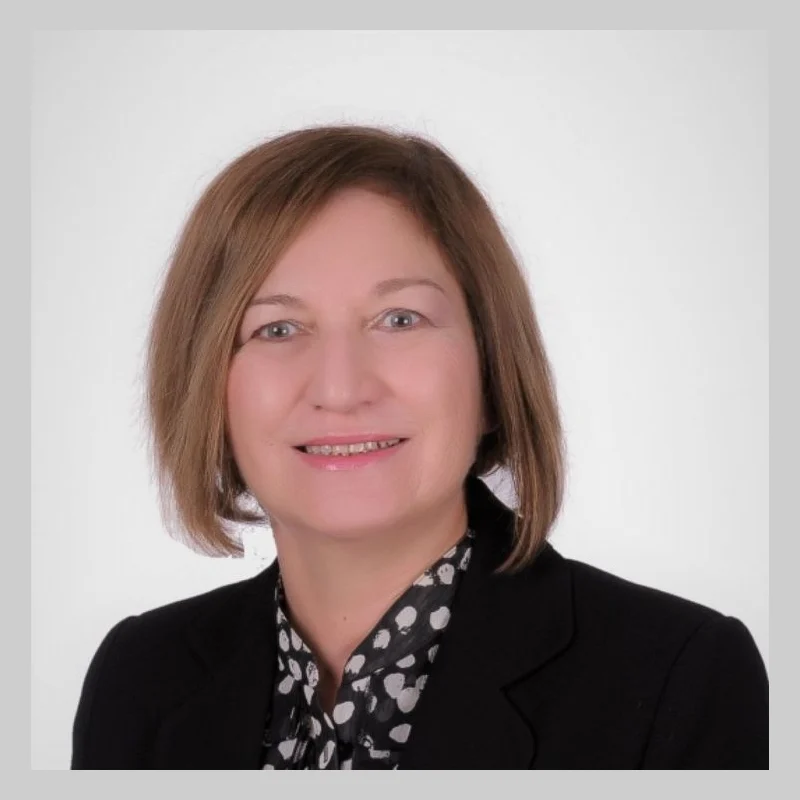
Dr. Tülay Yarkın
Pulmonology & Thoracic SurgeryVerified
- 28+years exp.
English · Turkish
FromPrice on request
Free quote
60 seconds · no obligationView Profile
Bronchoscopy and interventional pulmonology in Turkey cover bronchoscopy with biopsy, balloon dilatation for COPD, bronchial fistula closure, airway clearance therapy, surgery for airway obstruction and lung biopsy. This guide explains how they differ, who they suit, what the trip involves, what shapes the price and how to check a hospital.
A written plan with the surgeon's name and the full price — usually within 24 hours.

1 doctor Compare doctors, ratings and prices — ask any of them for a free quote.
Pulmonology & Thoracic SurgeryVerified
English · Turkish
60 seconds · no obligationView Profile
Bronchoscopy and interventional pulmonology in Turkey bring together procedures that investigate or treat problems of the airways and lungs without major open surgery. Hospitals in our network offer them under Pulmonology & Thoracic Surgery treatments in Turkey. Most procedures use a thin, flexible camera tube passed through the nose or mouth into the windpipe and bronchi.
The group mixes tests and treatments. Bronchoscopy with biopsy looks inside the airways and takes small tissue samples to find the cause of a shadow on a scan, a persistent cough or bleeding. A lung biopsy is a wider term and can be done through the bronchoscope, through a needle guided by CT, or by keyhole surgery when a larger sample is needed. Bronchoscopic balloon dilatation for COPD and closing a bronchial fistula (an abnormal channel in the airway wall) are treatments. Airway clearance therapy helps move mucus out of the lungs, and surgical management of airway obstruction deals with narrowing or blockage of the windpipe or bronchi that cannot be solved through the scope alone.
Start with what you need to know or fix. If the question is diagnostic, such as an unexplained shadow, bronchoscopy with biopsy is usually the first step, and the doctor chooses the sampling route according to where the abnormal area lies. Needle biopsy suits areas near the chest wall, while the bronchoscope reaches deeper airways.
If the problem is a narrowing, a blockage or a leak, the treatment depends on its cause. Balloon dilatation widens narrowed airways; bronchial fistula closure seals a leak that may follow lung surgery or infection; open or keyhole surgery is considered when the scope cannot fix the problem. For COPD, bronchoscopic procedures are not a replacement for inhalers and rehabilitation, and the evidence differs by technique. Ask your doctor to explain which patients benefit, what the expected improvement is and what the alternatives are.
Airway clearance therapy suits people with chronic mucus problems such as bronchiectasis or cystic fibrosis, and is often continued at home with physiotherapy.
A diagnostic bronchoscopy is often carried out with sedation or light anaesthesia and takes less than an hour. Many people go home the same day, with a sore throat, a cough and sometimes a little blood in the phlegm for a day or two. After a biopsy, a chest X-ray may be taken to check that the lung has not collapsed, which is an uncommon complication.
Treatments such as fistula closure or surgery for obstruction need a longer hospital stay, from a few days to a week or more, followed by rest before flying. Ask the surgeon when air travel is safe. Biopsy results usually take several days; arrange how you will receive them, and ask for the pathology report, the procedure report and any images in English to bring to your doctor at home.
A diagnostic bronchoscopy is generally the least expensive item, a lung biopsy costs more depending on the route, and procedures that need a specialised device or an operating theatre cost more again. The anaesthesia type, the pathology tests on the samples, the hospital stay and any imaging before the procedure all change the total.
For a procedure that follows a diagnosis, check whether the quote includes the biopsy results and a follow-up consultation. For COPD or fistula treatment, ask whether repeat procedures are included. The reliable figure is the one in a written plan based on your own scans and reports.
Interventional pulmonology depends on a trained team, good imaging and a unit that can manage complications such as bleeding or air leaks. Before you commit, ask the hospital for the following in writing:
Hospitals on our site are licensed by the Turkish Ministry of Health and authorised to treat international patients.
Requesting a free quote costs nothing and commits you to nothing. Send your diagnosis, recent CT or X-ray reports, lung function tests and any earlier bronchoscopy or biopsy results. A specialist at a suitable hospital reviews them and replies with a written plan that names the doctor, the proposed procedure, the expected stay and the full price.
You compare the plan with your own doctor’s advice and decide in your own time. Our service is free for patients and you pay the hospital directly. A coordinator can help with appointments, transfers and questions before and after treatment. To see the wider specialty, browse pulmonology and thoracic surgery or go straight to the free quote form.
A thin flexible tube with a camera is passed through the nose or mouth into the airways, usually with sedation or light anaesthesia. The doctor inspects the airways and takes small tissue samples with tiny instruments. The test usually takes under an hour.
It is done with sedation or anaesthesia, so most people feel little during the procedure. Afterwards a sore throat, a cough and a small amount of blood in the phlegm are common for a day or two. Tell the team about any bleeding disorders or blood thinners beforehand.
Bronchoscopy is a way of looking inside the airways and can include taking a biopsy. A lung biopsy is the wider term for taking lung tissue, which may be done through the bronchoscope, with a needle guided by CT, or by keyhole surgery.
Some bronchoscopic techniques are used in selected people with COPD, but they do not replace inhalers, rehabilitation or stopping smoking, and the evidence differs by technique. A lung specialist should explain who is likely to benefit and what the alternatives are.
A bronchial fistula is an abnormal channel between an airway and the space around the lung or another structure. It can follow lung surgery or infection. Closure through a bronchoscope is one option, and some cases need surgery.
A diagnostic bronchoscopy may need only a few days including results. Treatments such as fistula closure or surgery for airway obstruction need a longer hospital stay and recovery before flying. Your doctor sets the timing after the procedure.
Send your diagnosis, recent CT or X-ray reports, lung function tests, a list of medication and any earlier bronchoscopy or biopsy results. The more complete the records, the more precise the written plan. The free quote form accepts documents and photos.
Your request is in!
Your coordinator will contact you — usually within 2 hours, 24/7.
Want a faster, more accurate assessment?
Add photos & medical detailsLeave your number — a coordinator calls you in your language, usually within 15 minutes during office hours.
Thank you!
A coordinator will contact you at the time you chose.

