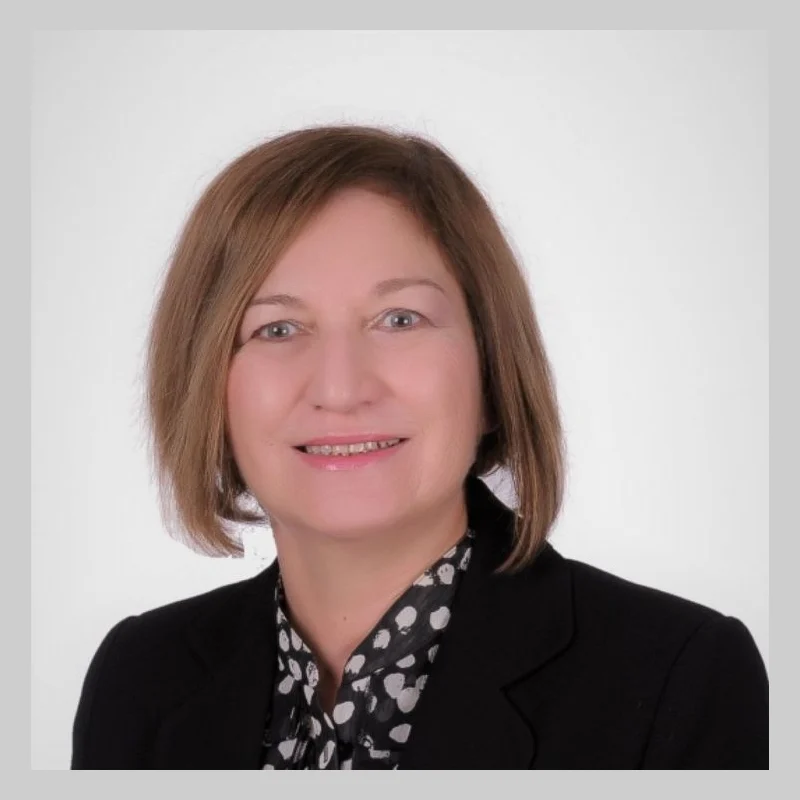
Dr. Tülay Yarkın
Pulmonology & Thoracic SurgeryVerified
- 28+years exp.
English · Turkish
FromPrice on request
Free quote
60 seconds · no obligationView Profile
Lung surgery in Turkey covers pneumonectomy, lobectomy, segmentectomy including the robotic approach, wedge resection, thymectomy and pectus excavatum treatment. This page explains how the operations differ, how to choose a team, what the trip involves and how to ask for a free written plan.
A written plan with the surgeon's name and the full price — usually within 24 hours.

1 doctor Compare doctors, ratings and prices — ask any of them for a free quote.
Pulmonology & Thoracic SurgeryVerified
English · Turkish
60 seconds · no obligationView Profile
Lung surgery in Turkey is carried out by thoracic surgeons, who operate on the lungs, the chest wall and the structures between the lungs. The operations on our site differ mainly in how much tissue is removed. A pneumonectomy removes a whole lung, a lobectomy removes one lobe, a segmentectomy removes a smaller anatomical section, and a wedge resection takes out a small piece near the surface. Robotic lung segmentectomy is the same operation as segmentectomy, carried out with robotic instruments through small incisions.
Two further operations belong to the same specialty. A thymectomy removes the thymus gland in the upper chest, for example for a thymus tumour or in some patients with myasthenia gravis. Pectus excavatum treatment corrects a chest wall that is sunken inwards. For the wider field, see our overview of Pulmonology & Thoracic Surgery treatments in Turkey.
Most lung operations are planned for a tumour, a nodule that cannot be explained by other tests, or lung damage that has not responded to other treatment. The choice between a larger and a smaller operation depends on the size and position of the problem, how well the lungs work, and your general health. A smaller operation spares more healthy lung but is not suitable for every tumour, and a surgeon will explain why one option fits and another does not.
The decision rests on scans, lung function tests and often a tissue diagnosis, so it should be made by a thoracic surgeon who has seen your reports, usually together with an oncologist and a pulmonologist. If you already have a CT or PET scan, a biopsy result or a letter from your own doctor, send them with your enquiry. Pectus excavatum and thymus conditions follow a different path: the question there is how much the chest shape affects breathing, exercise and well-being, or what the scan shows about the thymus.
Most patients stay in Turkey for one to two weeks, longer after a major operation. A typical plan has tests on arrival, the operation, a few days in hospital with a chest drain, and a check before the flight home. Minimally invasive keyhole or robotic surgery usually means smaller wounds and often a shorter stay than open surgery, but the right approach is a surgical decision, not a preference.
Recovery takes weeks. Breathing exercises, walking and pain control matter in the first days, and a full return to heavy work or sport comes later. After a pneumonectomy or lobectomy the lungs adapt, but you will need follow-up with your own doctor at home. Ask the hospital for the operation report, the pathology result, the scans and the medicine list, and ask when the surgeon will clear you to fly.
The price of lung surgery depends on the type and extent of the operation, whether it is open, keyhole or robotic, the length of the stay and any time in intensive care, the surgeon and team, the pathology tests, and any extra scans before or after surgery. A larger resection or a complication changes the cost, so a single average would not be reliable.
A written plan should name the operation, the surgical approach, the nights in hospital and the follow-up included.
Thoracic surgery depends on the experience of the whole team, including anaesthetists, intensive care staff and pathologists. Before you accept a plan, ask for the following in writing:
The hospitals we work with are licensed and authorised for international patients, but you should still ask these questions and expect direct answers.
Asking for a plan is free. You send your diagnosis, scans, test results and questions through the free quote form. A thoracic team at a licensed hospital reviews them and, if the case is suitable, returns a written plan with the proposed operation, the surgeon, the expected stay and the full cost. If more tests are needed first, the plan says so.
You then decide at your own pace. Nothing is paid to us, and you pay the hospital directly under the terms of its written plan. A coordinator helps with appointments, transfers and questions before, during and after the stay, and you are free to compare the plan with offers from other countries or with your own doctor's advice.
A lobectomy removes one lobe of the lung, while a pneumonectomy removes the whole lung. The surgeon chooses according to the size and position of the problem and how well your lungs work.
Both remove less lung tissue than a lobectomy. A segmentectomy removes an anatomical section of a lobe, and a wedge resection takes out a small piece near the surface. They suit smaller problems in selected patients.
It is surgery performed with robotic instruments through small incisions, controlled by the surgeon. Robotic lung segmentectomy removes a lung segment this way. Whether it suits you depends on your scans and the surgeon's experience.
A thymectomy removes the thymus gland in the upper chest. It is done for a thymus tumour and, in some patients, for myasthenia gravis. A neurologist and thoracic surgeon decide together.
Usually one to two weeks, longer after a major operation. The hospital can give a range once it has reviewed your scans and reports.
Yes. Thoracic surgeons in licensed hospitals treat pectus excavatum by correcting the chest wall. Send photos, scans and any lung or heart test results for a written plan.
No. Requesting a plan is free, there is no pre-payment to us, and you pay the hospital directly according to its written plan.
Your request is in!
Your coordinator will contact you — usually within 2 hours, 24/7.
Want a faster, more accurate assessment?
Add photos & medical detailsLeave your number — a coordinator calls you in your language, usually within 15 minutes during office hours.
Thank you!
A coordinator will contact you at the time you chose.

