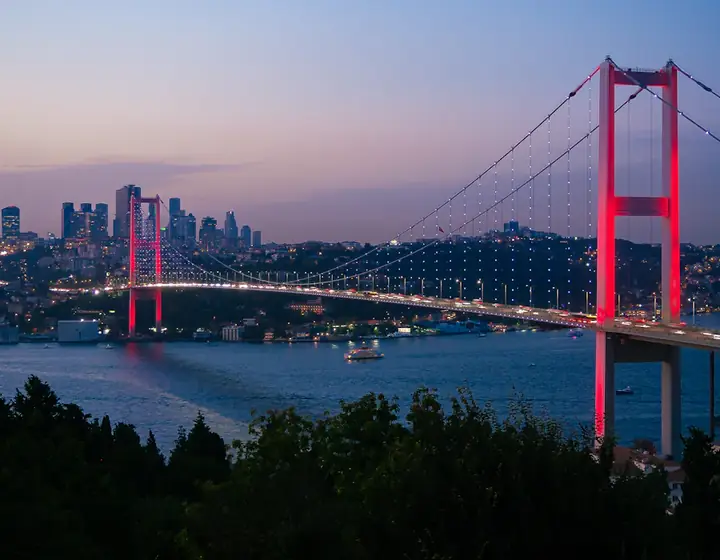
Medical Treatment in Istanbul
Istanbul is home to the largest number of JCI-accredited hospitals in Turkey and specialists in every field. With two international airports and flights from more than 120 countries, it is the most convenient choice for most patients.
- Clinics
- 2
- Verified
- 19 doctors
- Flight time
- 3–5 h
Treatments in Istanbul
Hospitals in Istanbul


Doctors in Istanbul

Op. Dr. Murat Yaman
Plastic & Aesthetic SurgeryVerified
- 11+years exp.
- 5,000+surgeries
- 6Treatments
Turkish · English
60 seconds · no obligationView Profile
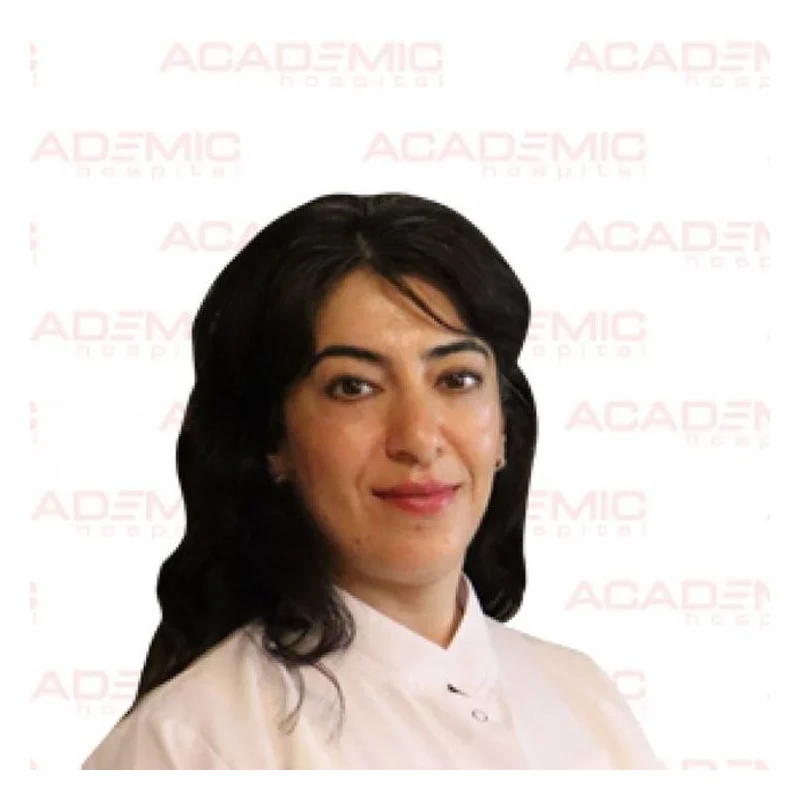
Dr. Aysun Ertaş
Check-ups & DiagnosticsVerified
- 23+years exp.
English · Turkish
60 seconds · no obligationView Profile
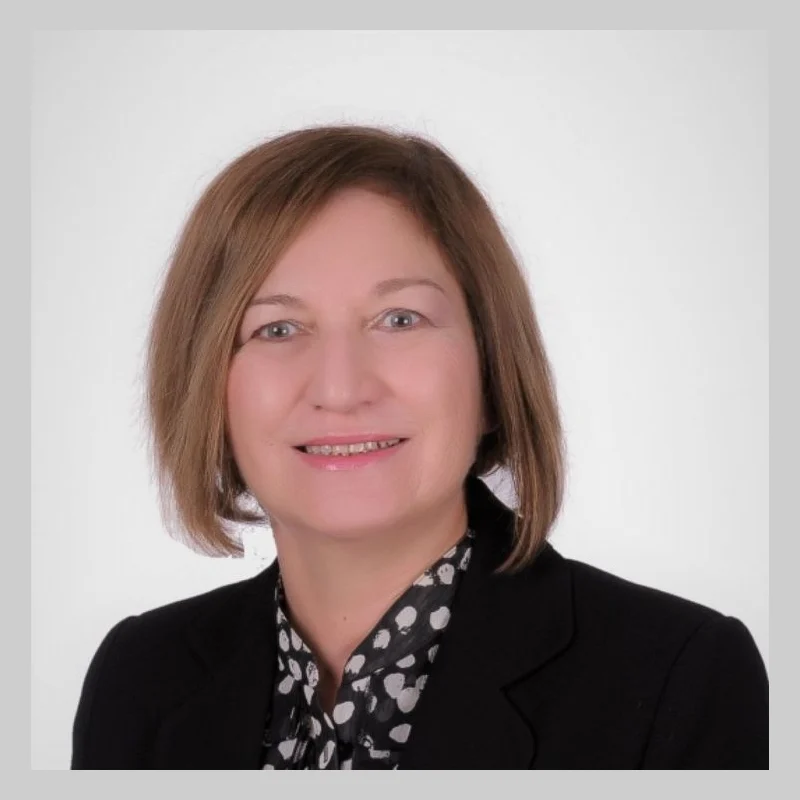
Dr. Tülay Yarkın
Pulmonology & Thoracic SurgeryVerified
- 28+years exp.
English · Turkish
60 seconds · no obligationView Profile

Prof. Dr. Ayhan Numanoğlu
Plastic & Aesthetic SurgeryVerified
- 56+years exp.
English · Turkish
60 seconds · no obligationView Profile
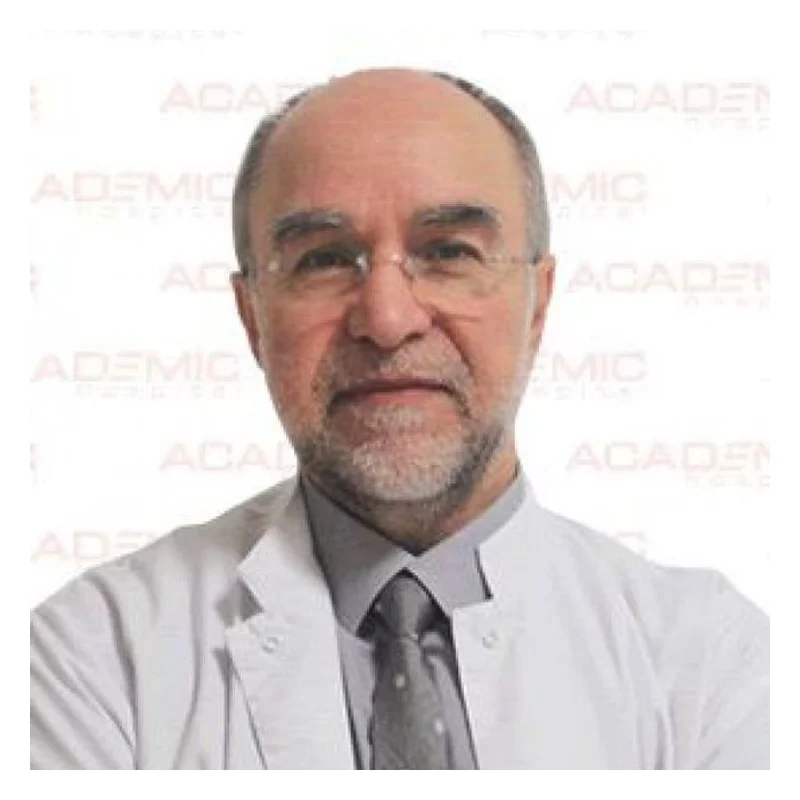
Uzm. Dr. Ertan Özen
GynaecologyVerified
- 36+years exp.
English · Turkish
60 seconds · no obligationView Profile
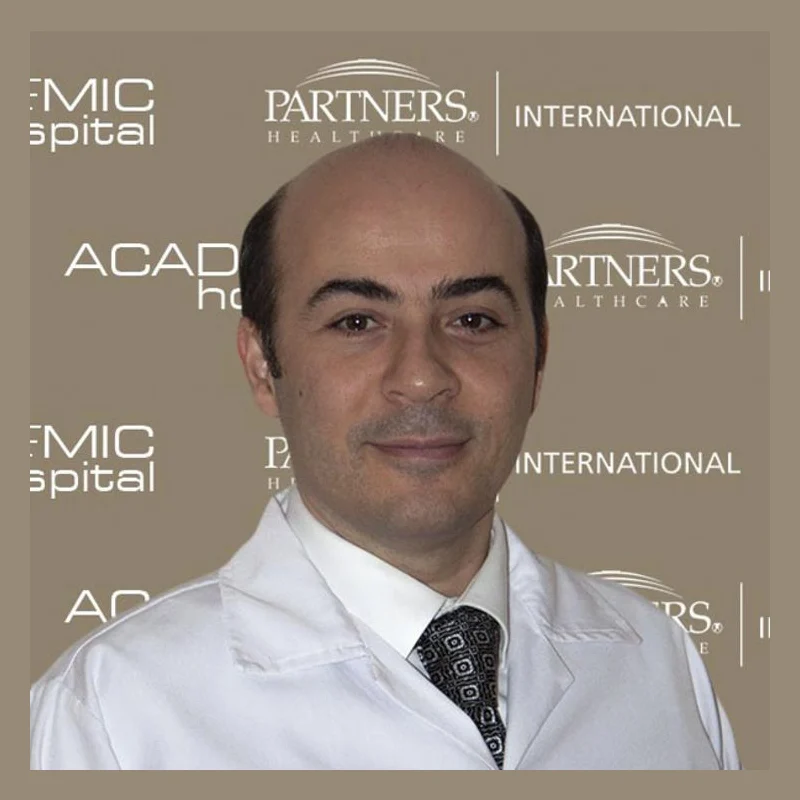
Op. Dr. Fikret Düşünceli
General SurgeryVerified
- 36+years exp.
English · Turkish
60 seconds · no obligationView Profile
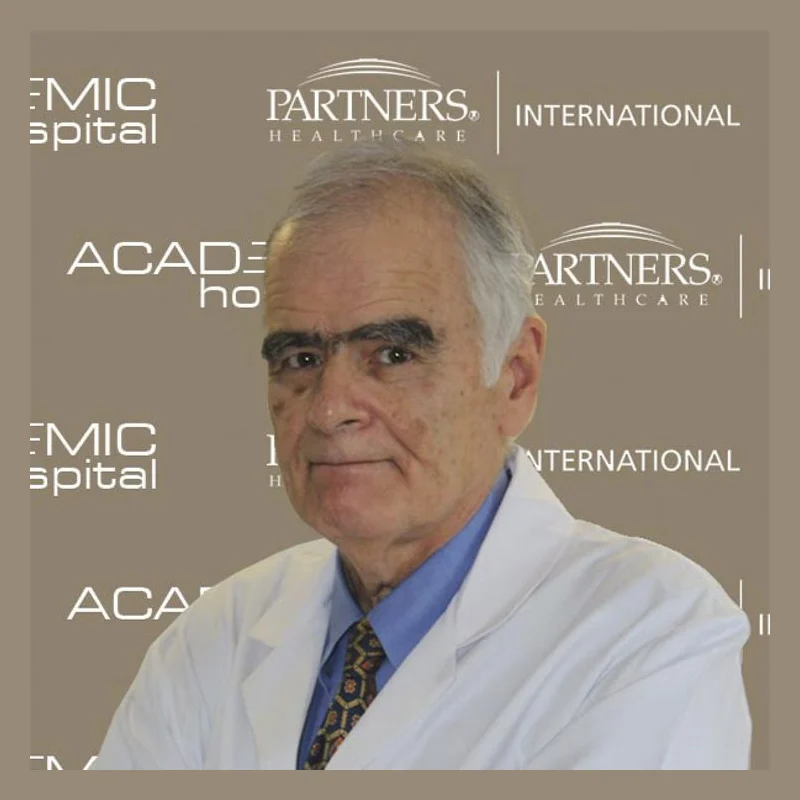
Prof. Dr. Hasan Yazıcı
RheumatologyVerified
- 52+years exp.
English · Turkish
60 seconds · no obligationView Profile
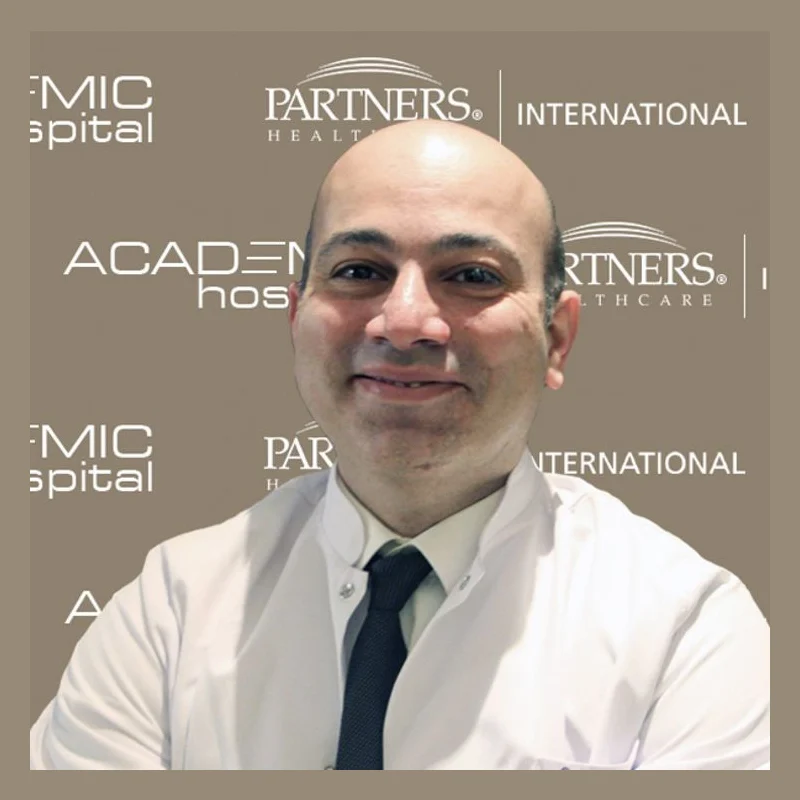
Dr. Öğr. Üyesi Görkem Kıyak
OrthopedicsVerified
- 21+years exp.
English · Turkish
60 seconds · no obligationView Profile

Dr. Erdem Tezel
Plastic & Aesthetic SurgeryVerified
- 37+years exp.
English · Turkish
60 seconds · no obligationView Profile

Prof. Dr. Özhan Çelebiler
Plastic & Aesthetic SurgeryVerified
- 44+years exp.
60 seconds · no obligationView Profile
Dr. Miver Erem Tokuş
NeurosurgeryVerified
- 24+years exp.
English · Turkish
60 seconds · no obligationView Profile
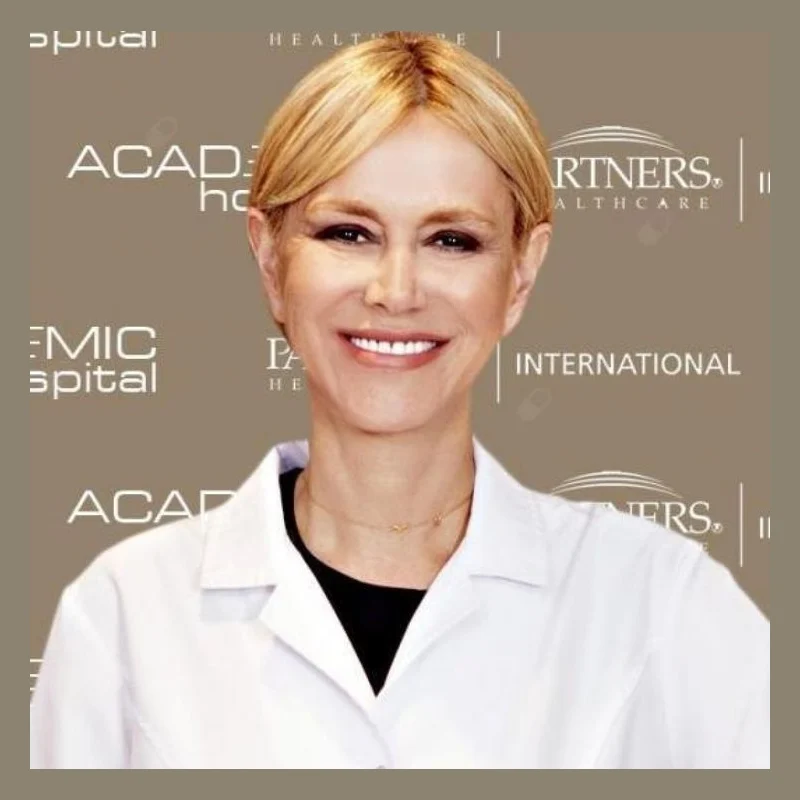
Prof. Dr. Zehra Neşe Kavak
GynaecologyVerified
- 36+years exp.
English · Turkish
60 seconds · no obligationView Profile
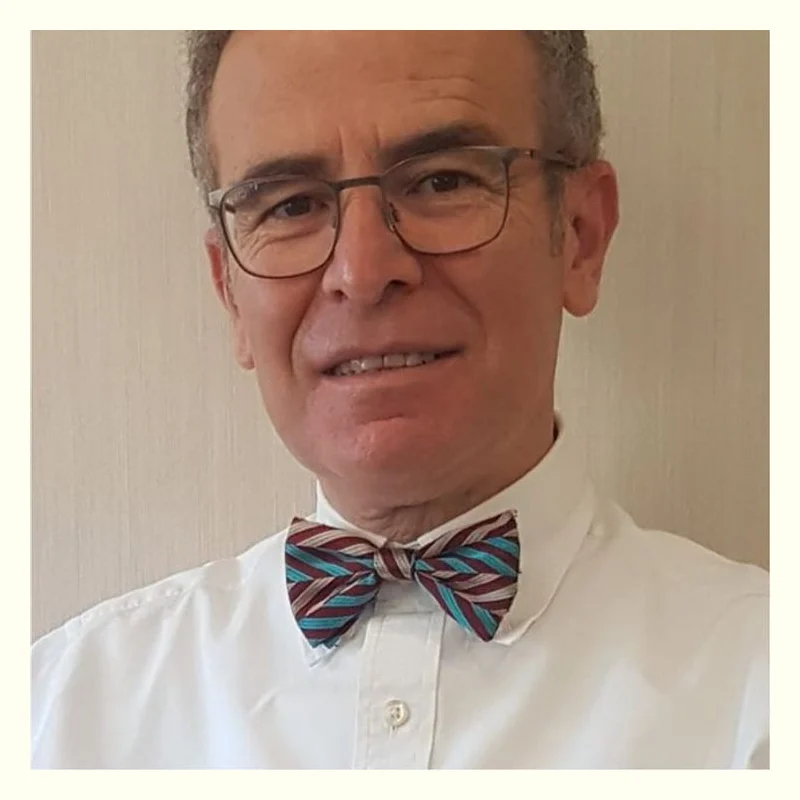
Prof. Dr. Ali Serdar Fak
Cardiac SurgeryVerified
- 29+years exp.
English · Turkish
60 seconds · no obligationView Profile
Prof. Dr. Emel Akoğlu
UrologyVerified
- 57+years exp.
English · Turkish
60 seconds · no obligationView Profile
Dr. Bülent İlçöl
Cardiac SurgeryVerified
- 25+years exp.
English · Turkish
60 seconds · no obligationView Profile
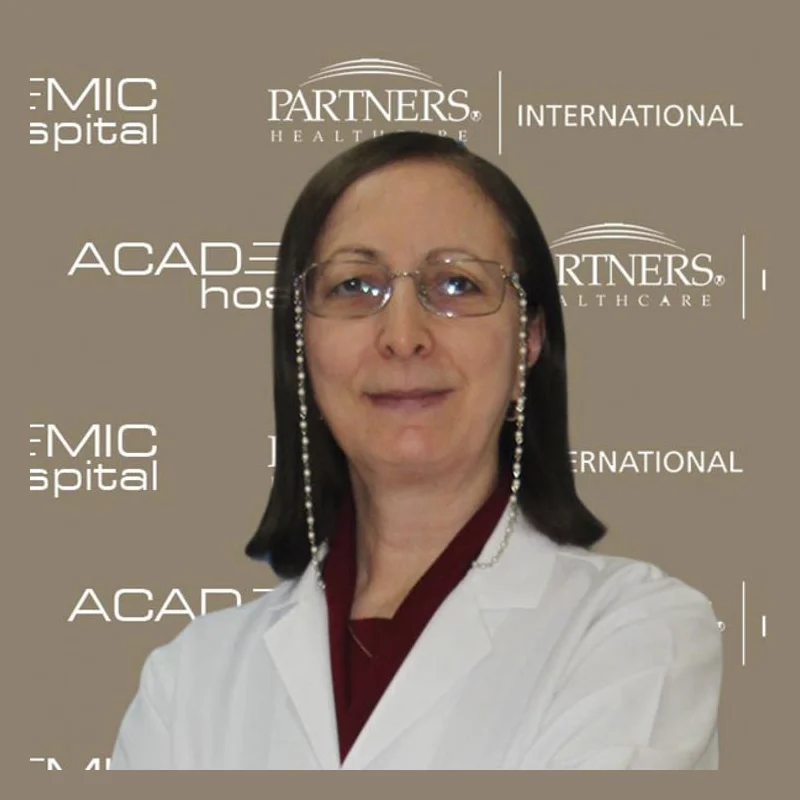
Uzm. Dr. Türkan Özer
Check-ups & DiagnosticsVerified
- 47+years exp.
English · Turkish
60 seconds · no obligationView Profile
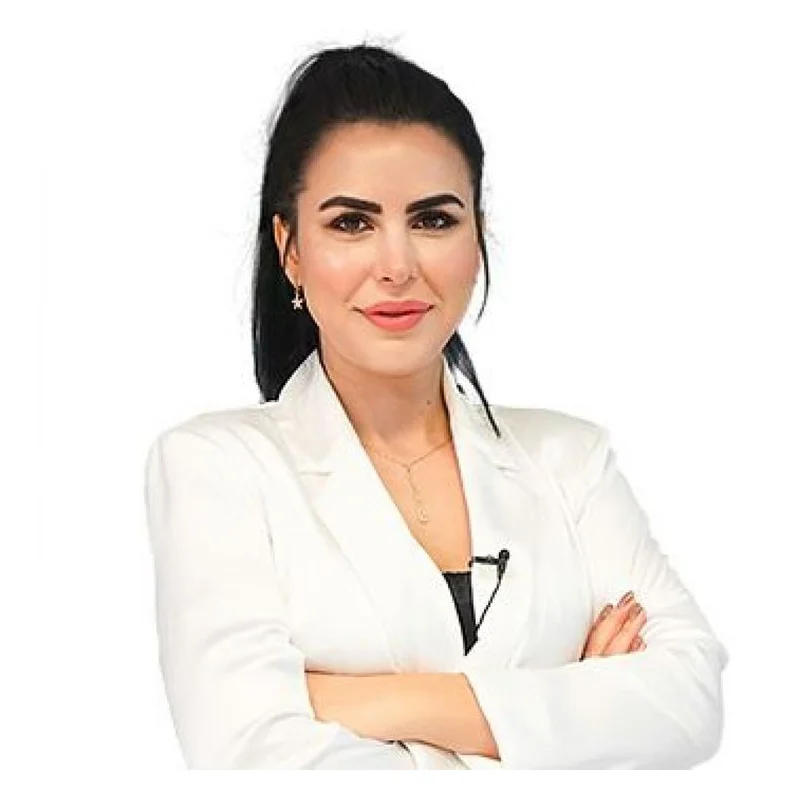
Hacer Erayhan
Hair TransplantVerified
- 19+years exp.
English · Turkish
60 seconds · no obligationView Profile
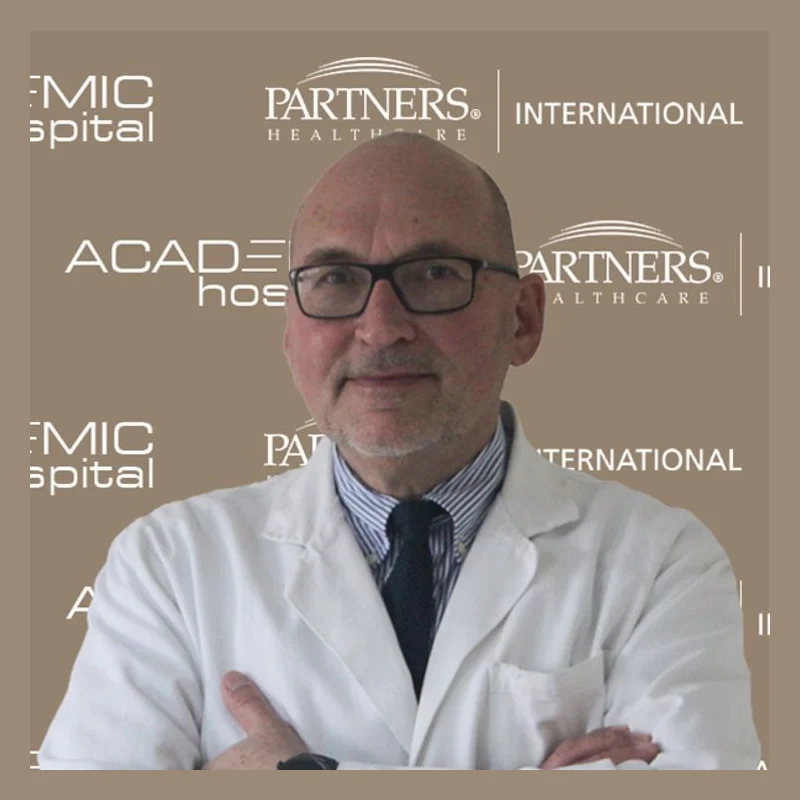
Prof. Dr. Turgay Çelikel
OncologyVerified
- 47+years exp.
English · Turkish
60 seconds · no obligationView Profile
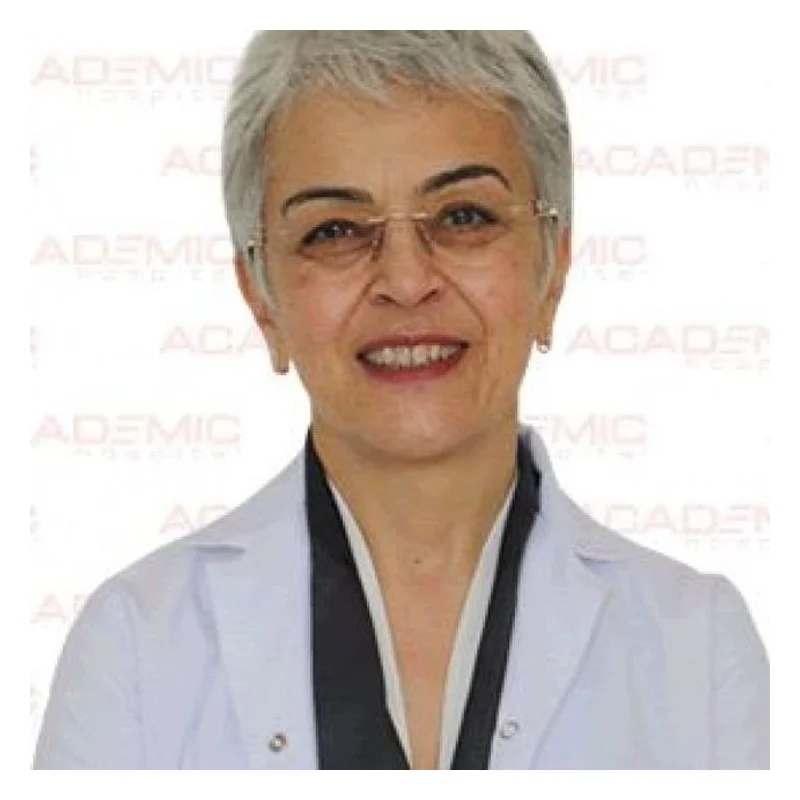
Prof. Dr. Zerrin Biçik Bahçebaşı
UrologyVerified
- 37+years exp.
English · Turkish
60 seconds · no obligationView Profile
Istanbul Airport (IST) and Sabiha Gökçen (SAW) have direct flights from most European, Middle Eastern and North American cities. Transfers to clinics take 30–60 minutes.
Frequently asked questions
In Istanbul you can find verified specialists for Hair Transplant, Plastic & Aesthetic Surgery, Dental Treatments, Bariatric Surgery, Eye Surgery, Orthopedics, Cardiac Surgery, IVF & Fertility, Oncology, Neurosurgery, Gastroenterology, Urology, ENT (Ear, Nose & Throat), Gynaecology, Dermatology, Check-ups & Diagnostics, General Surgery, Pulmonology & Thoracic Surgery, Endocrinology, Paediatrics, Psychiatry & Addiction, Rehabilitation, Regenerative Medicine, Rheumatology.
Istanbul Airport (IST) and Sabiha Gökçen (SAW) have direct flights from most European, Middle Eastern and North American cities. Transfers to clinics take 30–60 minutes.
A real person guides you from question to recovery
- Free & no obligation
- Reply usually within 2 hours
- GDPR / KVKK compliant

Hi, I'm Selin. Send me your photos or questions — I'll prepare your personal plan with the doctors and stay with you until you're home.
 Selin KaracaEnglish · Turkish · German
Get your free treatment plan
Your request is in!
Thank you! Your coordinator will contact you shortly.
Medical tourism in Istanbul has become an established choice for individuals seeking accessible healthcare outside their home countries. Straddling two continents, the city combines an extensive medical infrastructure with convenient international flight connections. Patients travel for a wide range of scheduled procedures, including dental care, elective surgery, and specialised diagnostic evaluations. Understanding how it works from initial enquiry to aftercare helps overseas visitors organise their travel with realistic expectations.
Medical facilities here routinely accommodate foreign visitors, offering multilingual coordination desks, private patient suites, and clear consultation pathways. Rather than managing complex travel independently, many individuals explore different treatments to address their specific health requirements while benefiting from Istanbul's central location between Europe, the Middle East, and Central Asia.
Why consider medical tourism in Istanbul for your healthcare?
Choosing to travel abroad for medical care requires careful thought regarding safety, convenience, and post-procedure comfort. Istanbul provides a comprehensive healthcare environment where private clinics and medical complexes are equipped with modern monitoring technologies and dedicated patient relations teams. Overseas patients often value the ability to schedule consultations without lengthy waiting periods, allowing them to coordinate care around their personal schedules.
Additionally, medical travel coordinators throughout Istanbul are accustomed to assisting foreign visitors with logistics such as airport transfers, language interpretation, and preliminary document translation. Because many healthcare providers maintain international patient departments, the process of receiving care away from home feels structured and supportive from arrival to departure.
How medical tourism in Istanbul connects through two international airports
Air travel to Istanbul is served by two major transport hubs on opposite sides of the Bosphorus. On the European side lies Istanbul Airport (IST), situated towards the northwest of the city. This large facility handles intercontinental flights and provides transfer desks, quiet waiting lounges, and wheelchair assistance services for arriving patients. Depending on traffic, road travel from Istanbul Airport into central European districts generally takes between forty and eighty minutes.
On the Asian side, Sabiha Gokcen International Airport (SAW) serves numerous regional and international routes. Sabiha Gokcen is well positioned for patients whose medical appointments are located on the Asian side or in southeastern districts. Both airports offer licensed taxis and private hire options, though patients who have recently completed procedures should arrange private transfers in advance to minimise physical exertion.
Should you stay on the European or Asian side of the city?
The Bosphorus divides Istanbul into European and Asian halves. The European side contains established commercial centres, historic areas, and private medical facilities. Districts such as Sisli, Besiktas, and Bakirkoy host many clinics, making them convenient bases for patients wishing to stay close to their appointment locations. However, road traffic on the European side can be dense during peak hours, so staying near your clinic is advisable.
The Asian side, comprising districts such as Kadikoy, Uskudar, and Atasehir, offers a calmer rhythm with residential streets and modern healthcare facilities. Patients who value a quieter setting during recuperation often favour accommodation on the Asian side. Crossing between sides can be done via bridges, undersea tunnels, or ferries, but recovering patients should avoid unnecessary intercontinental commuting.
Where should you stay while recovering from treatment?
Selecting the right accommodation is essential when recuperating after any medical intervention. A quiet hotel or serviced apartment located within a short drive of your healthcare facility allows you to attend follow-up consultations without enduring long car journeys. Serviced apartments with kitchen facilities and lift access are particularly suitable for longer stays, as they provide space to rest, prepare suitable meals, and accommodate an accompanying companion.
When booking your accommodation, consider several practical factors to support your physical comfort:
- Choose lodging with step-free entry, reliable lifts, and walk-in showers to prevent physical strain.
- Select rooms located away from busy main roads, tramlines, and nightlife venues to ensure undisturbed rest.
- Confirm that room service or grocery delivery options are available so you do not need to walk outdoors while healing.
- Ensure your room features controllable air conditioning and heating to maintain a comfortable indoor temperature.
- Check that your accommodation provides flexible housekeeping schedules that adapt to your rest periods.
Before confirming your booking, speak with your clinic or partner hospitals to ask if they recommend specific hotels in their immediate neighbourhood that cater to recovering travellers.
What travel documents and practical steps should you prepare?
Entry requirements for Turkey depend upon your nationality. Many foreign citizens can obtain an electronic visa online prior to departure, while others may enter visa-free or require an embassy-issued visa sticker. Passports should typically have at least six months of validity remaining from the date of arrival. It is advisable to verify current visa regulations with official government consular portals well ahead of travelling.
Preparing practical details in advance ensures a smooth trip. Obtain a local SIM card or activate international roaming so you can easily reach your coordinator and loved ones. Carry printed copies of your medical records and prescription lists. Credit cards are widely accepted across Istanbul, though carrying a modest amount of local cash is useful for small purchases. If you have questions about your itinerary, you can contact our team to review your plans.
Frequently asked questions
Yes, Istanbul is accessible for international patients, particularly when private hospital transfers are pre-arranged. While public transport like the metro and trams is modern, recovering patients should use dedicated clinic transfers or licensed taxis to avoid crowds, steep hills, and physical exertion during post-treatment journeys.
Both Istanbul Airport on the European side and Sabiha Gokcen Airport on the Asian side receive international flights. Choosing the right airport depends primarily on the location of your medical facility and accommodation, as minimising transfer journey times across the city helps ensure a calmer recovery.
Most private hospitals and specialised clinics treating overseas visitors employ English-speaking medical personnel. In addition, healthcare facilities routinely assign dedicated international patient coordinators who accompany foreign patients to consultations, assist with medical translations, and help explain aftercare instructions clearly throughout each appointment.
The length of your stay depends on your specific procedure and your doctor's clinical recommendations. Many minor treatments require three to five days, whereas more involved surgeries may necessitate a week or longer to allow for follow-up examinations, suture removal, and official medical clearance before flying home.
Look for hotels or serviced apartments within easy driving distance of your clinic. Prioritise properties offering lift access, quiet rooms, walk-in showers, reliable room temperature control, and flexible dining or grocery delivery services, ensuring you can rest comfortably without unnecessary mobility challenges.
Visa requirements depend on your nationality. Many visitors can quickly obtain an electronic visa online before departure, while citizens of certain countries may enter without a visa or require an embassy application. Always verify your entry regulations with official consular sources prior to booking flights.