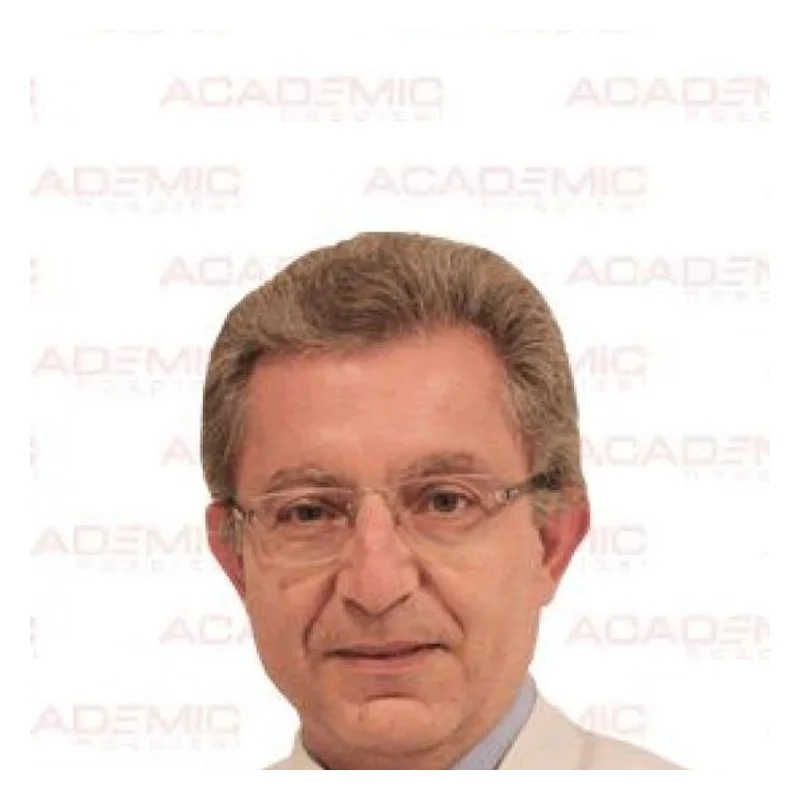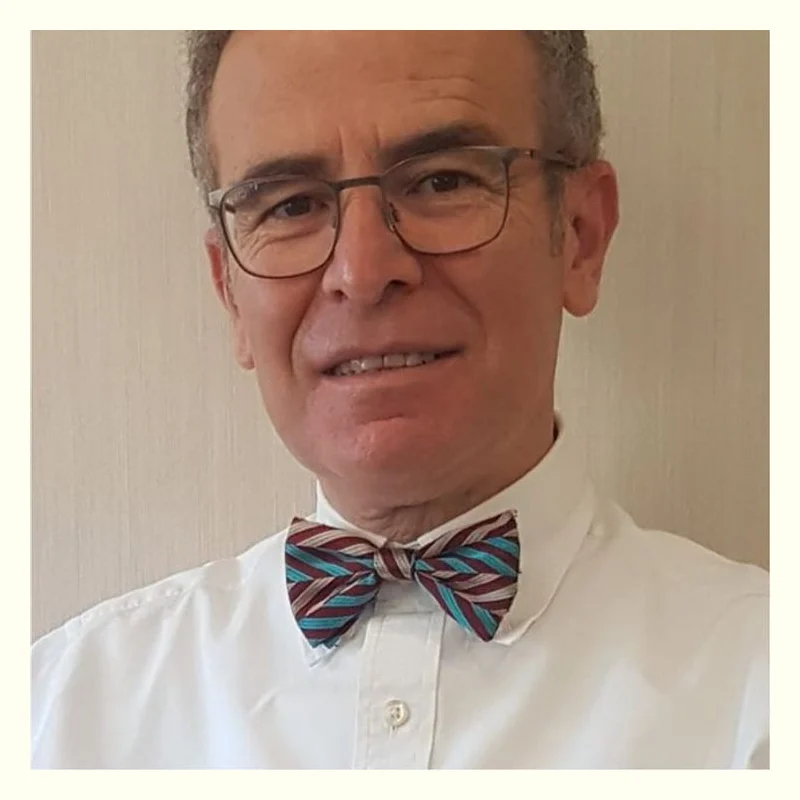
Prof. Dr. Ali Serdar Fak
Cardiac SurgeryVerified
- 29+years exp.
English · Turkish
FromPrice on request
Free quote
60 seconds · no obligationView Profile
A guide to heart surgery and vascular treatment in Turkey: costs compared with the UK, US and Germany, what a package includes, bypass, valve, stent and varicose vein treatments, licences and accreditation, how to choose a hospital, how long to stay and aftercare at home.
A written plan with the surgeon's name and the full price — usually within 24 hours.

2 doctors Compare doctors, ratings and prices — ask any of them for a free quote.
Cardiac SurgeryVerified
English · Turkish
60 seconds · no obligationView Profile
Cardiac SurgeryVerified
English · Turkish
60 seconds · no obligationView Profile
Cardiac surgery in Turkey is performed in large private and university hospitals in Istanbul, Ankara, Izmir, Antalya and other cities, and international patients travel for it mainly for two reasons: shorter waiting times and lower prices than private care in the UK, the United States or Germany. The same hospitals also treat a much more common and much simpler problem — varicose veins — with laser, radiofrequency and injection techniques that need only a short stay.
Heart treatment is not like a cosmetic operation. It is only suitable for travel when it is planned, when your condition is stable and when a cardiologist or heart surgeon has reviewed your records first. Anyone with chest pain at rest, a recent heart attack or worsening breathlessness needs urgent care where they are, not a flight. For planned treatment — a bypass, a valve replacement, a stent after a positive stress test, an ablation for an arrhythmia — good preparation makes the trip safe and predictable.
This guide explains what heart surgery in Turkey costs, which treatments patients travel for, how hospitals are licensed and checked, how to choose one, how long to stay and how to organise follow-up at home. Prices, hospitals and real reviews are shown on this page; a quote is free and you decide only after a specialist has seen your reports.
Browse every Cardiac Surgery treatment available at our partner hospitals in Turkey, grouped by category.
Heart surgery cost in Turkey depends on the operation, the hospital, the type of valve or stent, and how long you need in intensive care. The live price list above shows the starting prices the hospitals on our site publish. The table compares common treatments with approximate private prices elsewhere; foreign prices are rough self-pay ranges for surgeon, anaesthesia and hospital, and vary widely.
| Treatment | Turkey | United Kingdom | United States | Germany |
|---|---|---|---|---|
| Aortic valve replacement | from €14,630 | about £25,000–£40,000 | about $80,000–$200,000 | about €20,000–€40,000 |
| Coronary stenting | from €2,020 | about £8,000–£15,000 | about $20,000–$50,000 | about €6,000–€12,000 |
| EVLA (endovenous laser ablation) | from €4,710 | about £2,500–£5,000 | about $3,000–$8,000 | about €2,000–€4,500 |
| Laser treatment for varicose veins | from €940 | about £1,500–£3,500 | about $2,000–$5,000 | about €1,200–€3,000 |
| Sclerotherapy | from €650 | about £250–£500 per session | about $300–$800 per session | about €150–€400 per session |
A starting price assumes an uncomplicated course. For major heart surgery, ask what happens if you need extra days in intensive care, a second procedure or blood products, and whether those are capped or charged separately. Compare written quotes line by line, not headline prices.
Coronary artery disease. Narrowed coronary arteries are first assessed with coronary angiography. Depending on the result, they are treated with coronary angioplasty and stenting through an artery in the wrist or groin, or with coronary bypass surgery when several vessels are affected. Heart bypass surgery in Turkey is usually open heart surgery through the breastbone. Hard, calcified plaque in the coronary or leg arteries is sometimes removed with atherectomy (from €1,260).
Valve disease. Heart valve surgery in Turkey covers valve repair, open valve replacement and, for selected older or higher-risk patients, TAVI, in which a new aortic valve is placed through a catheter. Which option fits depends on your age, other illnesses and the heart team's assessment, not on price.
Rhythm problems. Arrhythmia treatment includes catheter ablation and pacemaker implantation, both with short hospital stays.
Varicose veins. Varicose vein treatment in Turkey is the most frequent reason patients come to a vascular unit. Large refluxing veins are closed from inside with EVLA or laser treatment, smaller and spider veins with sclerotherapy, and some veins are removed surgically (varicose vein removal). A duplex ultrasound scan comes first and decides the method.
Children with heart defects are treated in hospitals with paediatric cardiac units (congenital heart surgery); that needs a separate, very careful assessment. All treatments are listed on the heart surgery page and in the treatment tree below.
Hospitals usually quote an all-inclusive price for a defined treatment. For heart and valve operations it typically includes the pre-operative tests (blood tests, ECG, echocardiography, sometimes angiography), the operation, the surgeon and anaesthetist, intensive care and the ward stay, medicines during the stay, and airport and hospital transfers with an interpreter. Hotel nights after discharge are sometimes included and sometimes not.
Usually not included: flights, a companion's meals, extra intensive care days beyond the package, treatment of unrelated conditions found during tests, and medicines after you leave. Ask for a written list of what is and is not included, and for the policy if tests show that a different operation is needed.
Every hospital in Turkey needs a licence from the Ministry of Health, and hospitals that treat foreign patients also need the Ministry's International Health Tourism Authorisation Certificate. Some hospitals hold Joint Commission International (JCI) accreditation, which audits patient safety, infection control and clinical processes. These are the minimum checks, not proof of good results.
For heart surgery the hospital's set-up matters most: a cardiac intensive care unit, a catheter laboratory on site, a cardiac anaesthesia team and a heart team in which cardiologists and surgeons decide together. Ask how many operations of your type the team performs each year and how they report complications; a serious hospital answers with its own data rather than general claims. We do not publish success-rate figures we cannot verify.
People often search for the best hospital for heart surgery in Turkey, but the right choice is the one whose team has reviewed your own reports and explained a clear plan. Questions to ask before you book:
Red flags: a price or an operation offered before anyone has seen your reports, pressure to pay a deposit to a third party, no named specialist in the written plan, no clear answer about intensive care, or a promise of results that sounds too good to be true.
The time you need depends on the treatment and on your recovery. These are typical ranges for an uncomplicated course; your doctor decides when you are fit to fly, and airlines may ask for a medical certificate.
| Treatment | In hospital | Total stay in Turkey |
|---|---|---|
| Coronary angiography | same day to 1 night | 2–3 days |
| Coronary stenting / angioplasty | 1–2 nights | 4–7 days |
| Pacemaker or catheter ablation | 1–2 nights | 4–7 days |
| TAVI | 2–5 nights | about 7–10 days |
| Bypass or open valve surgery | 7–10 nights | about 2–3 weeks |
| EVLA, laser or sclerotherapy for varicose veins | same day | 2–5 days |
A companion is strongly recommended after open heart surgery. For any vein treatment, ask about blood-clot prevention for the flight home: compression stockings, walking and drinking enough, and sometimes an injection.
Before you leave, make sure you have a discharge report in English with the operation details, the device or valve type, your medicines and the follow-up plan, plus copies of the images. Book an appointment with your own GP or cardiologist for the first weeks after you return.
After open heart surgery the breastbone needs about six to eight weeks to heal: no heavy lifting, no driving until your doctor allows it, and a cardiac rehabilitation programme at home if one is available. After a stent, never stop the antiplatelet medicines without asking a cardiologist. A mechanical valve needs lifelong anticoagulation and regular INR checks — arrange these at home before you travel. Seek urgent help for chest pain, fever, a red or leaking wound, sudden breathlessness or a swollen, painful leg.
A remote review is only as good as the documents you send. Prepare recent echocardiography and ECG reports, angiography images on a disc or by link (not only the written report), a list of your medicines and allergies, blood test results and letters about other illnesses such as diabetes or kidney disease. For varicose veins, a recent venous duplex ultrasound report helps. Check whether your insurer covers planned treatment abroad — most do not — and consider medical travel insurance that covers complications and a delayed flight home.
It can be, when it is planned, your condition is stable and the hospital is licensed by the Ministry of Health, authorised for health tourism and has a cardiac intensive care unit and a heart team. Check these points, ask for the team's own figures and make sure your reports are reviewed before you book.
It depends on the number of grafts, the hospital and the length of intensive care. Ask for a written all-inclusive quote after your angiography has been reviewed; private prices in Turkey are usually well below UK, US or German self-pay prices.
Results depend on the hospital, the team and the patient's own risk, not on the country. Ask the hospital for its own complication and mortality figures for your type of operation, and for your individual risk estimate, rather than relying on general figures.
About two to three weeks after a bypass or open valve operation, about a week after TAVI, four to seven days after a stent or pacemaker, and a few days after varicose vein treatment. Your doctor decides when you are fit to fly.
Usually after about 10 to 14 days if recovery is uncomplicated and your doctor has checked you. Airlines may ask for a medical certificate; book a flexible ticket in case you need a few more days.
Sclerotherapy starts at [[price:sclerotherapy-of-varicose-veins|652]], laser treatment at [[price:laser-treatment-for-varicose-veins|936]] and EVLA at [[price:evla-endovenous-laser-ablation|4706]] in the hospitals on our site. The final price depends on the number of veins and whether one or both legs are treated.
Yes. Most hospitals quote one price that covers tests, the operation, intensive care, the ward stay, medicines in hospital, transfers and an interpreter. Hotel nights, flights and extra intensive care days are often separate, so ask for a written list.
In most private hospitals one companion can stay in the patient's room on the ward. Intensive care has restricted visiting. A companion is strongly recommended after open heart surgery.
Hospitals with international patient departments provide coordinators and interpreters for English and many other languages, and most heart specialists who treat foreign patients speak English. Ask for your discharge report in English.
Recent echocardiography and ECG reports, angiography images, a list of medicines and allergies, recent blood tests and letters about other illnesses. For varicose veins, a venous duplex ultrasound report.
Most health insurers and the NHS do not pay for planned treatment in Turkey. Check with your insurer, and consider medical travel insurance that covers complications and a delayed flight home.
Your request is in!
Your coordinator will contact you — usually within 2 hours, 24/7.
Want a faster, more accurate assessment?
Add photos & medical detailsLeave your number — a coordinator calls you in your language, usually within 15 minutes during office hours.
Thank you!
A coordinator will contact you at the time you chose.