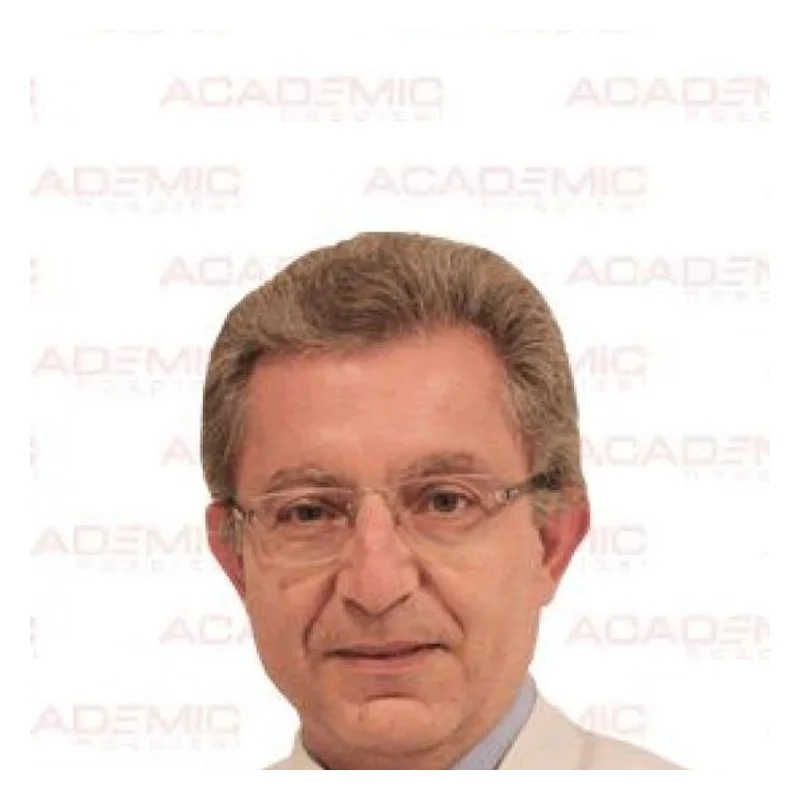
Prof. Dr. Ali Serdar Fak
Cardiac SurgeryVerified
- 29+years exp.
English · Turkish
FromPrice on request
Free quote
60 seconds · no obligationView Profile
What an atherectomy procedure is, how it differs from angioplasty and stenting, the four device types, when it is used in leg and coronary arteries, what the evidence says, UK, US and German prices compared with Turkey, the hospital stay, recovery, risks and how to choose a vascular team.
A written plan with the surgeon's name and the full price — usually within 24 hours.

2 doctors Compare doctors, ratings and prices — ask any of them for a free quote.
Cardiac SurgeryVerified
English · Turkish
60 seconds · no obligationView Profile
Cardiac SurgeryVerified
English · Turkish
60 seconds · no obligationView Profile
Atherectomy is a catheter procedure that removes or breaks up plaque inside an artery instead of only pushing it aside with a balloon. A thin tube is passed through a small puncture in the groin, wrist or ankle, and a device on its tip shaves, drills, vaporises or sands away hard plaque so that blood can flow again. It is done under local anaesthesia, with X-ray guidance, usually in the legs (peripheral artery disease) and in a smaller number of cases in the coronary arteries of the heart. Atherectomy in Turkey starts at €1,260 at an accredited hospital on our site, as the hospital's own list price for international patients.
It is rarely the only treatment. In most cases the artery is afterwards widened with a balloon, and a stent is added if needed. For the heart-artery stent itself, see coronary stenting; for balloon widening see angioplasty.
The main reason to choose atherectomy is heavily calcified plaque, which a balloon may not open well and which can make a stent expand poorly. Typical situations are:
It is not used for every blocked artery. Many leg blockages are treated well by walking exercise and medicines, balloon angioplasty or bypass, and a vascular specialist decides after an ultrasound or CT scan of your arteries.
| Type | How it removes plaque | Typical use |
|---|---|---|
| Directional | A cutting blade shaves plaque and collects it in a chamber | Soft or fibrous plaque in leg arteries |
| Rotational | A diamond-tipped burr spins at high speed and pulverises plaque into tiny particles | Calcified coronary and some leg lesions |
| Orbital | An eccentric diamond crown sands calcium while spinning | Calcified leg and coronary arteries |
| Laser | Ultraviolet light breaks down plaque and thrombus | Long blockages, blocked stents |
Your doctor chooses the device from the type and length of the blockage. The procedure usually takes one to two hours.
The question patients ask most is whether atherectomy is better than balloon angioplasty. The honest answer is that evidence for a better long-term result is limited. Guidelines for peripheral artery disease treat atherectomy as an option for selected, mainly calcified, lesions and not as a replacement for angioplasty or stenting, and in the coronary arteries rotational atherectomy is reserved for lesions that a balloon cannot cross or expand. Its advantage is that it can prepare a hard artery so that a balloon or stent works; it does not by itself prevent the disease from returning. Medicines — antiplatelet treatment, a statin, blood pressure and diabetes control — and stopping smoking decide long-term outcomes more than the device.
At the hospitals listed on this page atherectomy in Turkey starts at €1,260. Each hospital card shows its price and what the package contains. The other prices are approximate private totals and vary with the artery treated and the devices used.
| Country | Typical price | Note |
|---|---|---|
| Turkey | from €1,260 | Hospital list price; check what is included, e.g. tests, hospital nights, stent if needed |
| United Kingdom | about £6,000–£12,000 private (approximate) | Free on the NHS when clinically indicated |
| United States | about $15,000–$40,000 billed (approximate) | Covered by insurance; self-pay bills vary widely |
| Germany | about €5,000–€12,000 self-pay (approximate) | Covered by statutory insurance when indicated |
The atherectomy cost rises if a stent or several balloons are used, if two arteries are treated, with a longer hospital stay and with tests such as CT angiography. Ask for a written quote. Atherectomy is usually covered by health insurance at home when it is medically needed, so compare that route before you travel.
Plan about 3–5 days. Send your reports first — arterial ultrasound or CT angiogram, ECG, blood tests, kidney function and a list of medicines, especially blood thinners and metformin — so the team can say whether the procedure is suitable.
The general arrangements are on our how it works page.
You walk the same or next day. Expect bruising at the puncture site and mild soreness in the leg. Avoid heavy lifting, long baths and strenuous exercise for about a week; most people are back to desk work after a few days. You will usually take aspirin or another antiplatelet drug, and often a second one for some weeks if a stent was placed, plus a statin. Follow-up is by ultrasound at about one, six and twelve months, with your own vascular doctor at home, because the treated artery can narrow again.
Long-term results depend on what you change after the procedure. Plaque returns when smoking continues, blood pressure, cholesterol and diabetes stay uncontrolled, or the antiplatelet tablet is stopped. A supervised walking programme is part of standard treatment for leg arteries and improves walking distance on its own, so ask for a plan you can continue at home, and for your vascular doctor at home to receive the operation report.
Call your doctor straight away for a cold, pale or painful leg, a growing swelling at the puncture site, bleeding that does not stop with pressure or, for coronary procedures, chest pain.
Atherectomy is generally safe in experienced hands, but it carries specific risks. Debris released from the plaque can travel downstream and block small arteries (distal embolisation), and devices can cause a tear (dissection) or, rarely, a hole (perforation) in the artery wall that needs a stent or surgery. Other risks are bleeding or a swelling at the puncture site, kidney injury from contrast dye (higher with diabetes or kidney disease), an allergic reaction, a blocked artery again within months and, in severe disease, a failed attempt needing bypass surgery. Many centres use an embolic protection filter or aspiration when the risk is high. Exact rates depend on the artery, the lesion and the device; ask the doctor for the figures in their own centre.
Be careful with an offer that is made before any scan, and with pressure to decide quickly. Related pages: arterial angioplasty and stenting, coronary angiography and the cardiac surgery overview.
At the accredited hospitals on our site atherectomy starts at about €1,250 for international patients (shown in your currency on this page). The final price depends on the artery, the device, whether a stent is needed and the hospital stay, and is written on your quote.
A catheter procedure that removes or breaks up plaque inside an artery with a blade, spinning burr, orbital crown or laser. It is done under local anaesthesia through a small puncture, mostly in leg arteries and, for calcified blockages, in heart arteries.
Not in general. Evidence for a better long-term result is limited; atherectomy is an option for selected, mainly calcified, blockages and is often followed by a balloon or stent.
Usually one to two hours. You stay in hospital one night, and most patients need 3 to 5 days in Turkey in total.
It is done under local anaesthesia, so you feel pressure rather than pain, and you may feel some warmth or cramp in the leg during the treatment. Soreness at the puncture site lasts a few days.
A diamond-tipped burr spins at high speed and grinds hard calcified plaque into very small particles. It is used mainly to prepare severely calcified heart-artery blockages for a stent.
Debris blocking small downstream arteries, a tear or hole in the artery wall, bleeding at the puncture site, kidney injury from contrast dye and the artery narrowing again. Your doctor explains the risks for your artery.
You walk the same or next day, and most people return to light work in a few days. Avoid heavy lifting and hard exercise for about a week.
Usually after the doctor has checked the puncture site and the leg, often 2 to 3 days after the procedure. Walk during the flight and keep your medicines in hand luggage.
When medically indicated it is normally covered by public and private health insurance at home. Travel insurance usually does not cover planned treatment abroad.
Your request is in!
Your coordinator will contact you — usually within 2 hours, 24/7.
Want a faster, more accurate assessment?
Add photos & medical detailsLeave your number — a coordinator calls you in your language, usually within 15 minutes during office hours.
Thank you!
A coordinator will contact you at the time you chose.