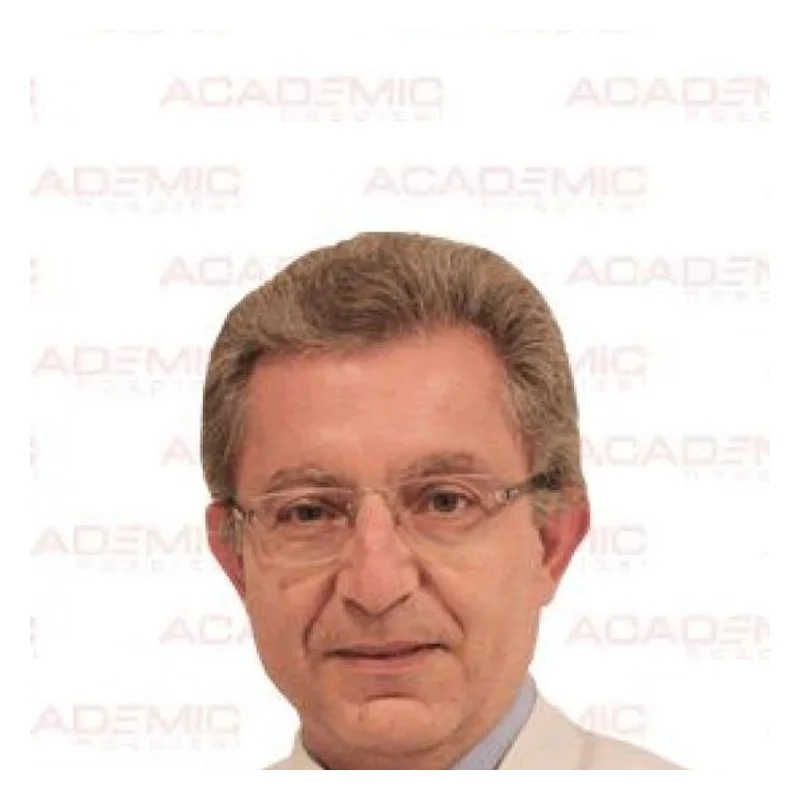
Prof. Dr. Ali Serdar Fak
Cardiac SurgeryVerified
- 29+years exp.
English · Turkish
FromPrice on request
Free quote
60 seconds · no obligationView Profile
What transluminal arterial angioplasty (PTA) and stenting is, how a balloon and stent reopen narrowed arteries in the legs, kidneys and neck, what the evidence says compared with exercise therapy and bypass surgery, approximate costs in Turkey against the UK, US and Germany, recovery, risks and how to check a hospital.
A written plan with the surgeon's name and the full price — usually within 24 hours.

2 doctors Compare doctors, ratings and prices — ask any of them for a free quote.
Cardiac SurgeryVerified
English · Turkish
60 seconds · no obligationView Profile
Cardiac SurgeryVerified
English · Turkish
60 seconds · no obligationView Profile
Transluminal arterial angioplasty PTA and stenting is a catheter-based way of reopening a narrowed or blocked artery without open surgery. PTA stands for percutaneous transluminal angioplasty: a thin wire and catheter are passed through the artery from a small puncture, a balloon is inflated at the narrowing to widen it and, if needed, a mesh tube (stent) is left in place to hold the artery open. The technique is used mostly in arteries outside the heart, such as those in the legs (iliac, femoral, popliteal and below-knee), the kidneys and the arms, and for the carotid arteries in the neck. Vascular and interventional radiology teams in Turkey perform it, usually under local anaesthesia.
This guide explains how PTA and stenting work, what the evidence says, how it compares with exercise therapy and bypass surgery, what it costs compared with the UK, US and Germany, and what to ask a clinic. See also our overview of cardiology treatments in Turkey.
Arteries narrow when fatty plaque and calcium build up (atherosclerosis), a condition linked to smoking, diabetes, high blood pressure, raised cholesterol and age. In the legs this is peripheral artery disease. Mild disease causes cramp in the calf or thigh on walking that eases with rest (claudication). Severe disease causes pain at rest, ulcers that do not heal or tissue loss, called critical limb ischaemia, which risks amputation. A narrowing in a kidney artery can cause high blood pressure or reduced kidney function. PTA is considered when symptoms are significant, when supervised exercise and medicine have not been enough or when the limb is at risk.
The first treatment for most people with claudication is not a procedure: it is stopping smoking, a supervised walking programme and medicine to lower cholesterol and blood pressure, which are also essential after any stent.
Before the procedure the doctor examines the pulses, measures blood pressure in the ankle and arm, and uses Doppler ultrasound, CT or MR angiography to map the blockage. On the day:
The procedure usually takes 45 to 120 minutes, longer for long blockages or several segments. Most patients are awake and comfortable throughout.
For short narrowings in the large iliac arteries, results are good and durable. In the femoral and popliteal arteries in the thigh and behind the knee, balloons and stents relieve symptoms quickly but the artery can narrow again (restenosis), particularly in long, calcified lesions and in people who continue to smoke or have diabetes; drug-coated devices have lowered this risk in some groups, though their long-term role has been debated by regulators and societies. Below the knee, balloon treatment is mostly used to help ulcers heal and to save a limb rather than for walking pain. The evidence for stenting kidney arteries is mixed, and carotid stenting is reserved for chosen patients. Professional guidance, such as that of the National Institute for Health and Care Excellence and the Society for Vascular Surgery, stresses individual decisions and supervised exercise first for claudication.
In short: PTA reliably reopens suitable arteries and relieves symptoms, but it does not cure the underlying disease, and the improvement may need maintaining with medicine and repeat procedures.
The figures below are approximate ranges for one treated arterial segment, not hospital quotes. They depend on the artery treated, whether a stent or a drug-coated balloon is used (devices are a large part of the cost), the length of the lesion, the hospital stay and the imaging done. Each hospital confirms its own price in a written quote.
| Country | Approximate cost range |
|---|---|
| Turkey | €3,000 – €9,000 |
| United Kingdom | €5,000 – €14,000 |
| United States | €10,000 – €35,000 |
| Germany | €5,000 – €14,000 |
What changes the price: the number of stents or balloons, the artery site, extra imaging, a night in hospital or more and treatment of both legs. A package normally includes the consultation, angiography, the procedure, a stay of one or two nights, medication and transfers; ask what is included if a second stent is needed during the same procedure.
The choice depends on how long and where the blockage is and on your general health. Atherectomy removes or shaves plaque with a device; see atherectomy. Bypass surgery reroutes blood around the blockage with a vein or graft; see femoral-popliteal bypass surgery. For the neck arteries, see carotid angioplasty and stenting.
| Option | Best suited to | Typical limits |
|---|---|---|
| PTA and stenting | Short or moderate blockages, iliac arteries, patients with higher surgical risk | Re-narrowing in long thigh or calcified lesions; needs antiplatelet medicine |
| Atherectomy | Heavily calcified or bulky plaque, often combined with a balloon | Not for every vessel; risk of debris travelling downstream |
| Bypass surgery | Long blockages, or when angioplasty is not possible | Open surgery, longer recovery and hospital stay |
Coronary angioplasty treats the arteries that feed the heart muscle itself and is usually urgent in a heart attack; it uses similar tools and a smaller scale. PTA covers all the other arteries. Both have the same principles. Veins are different again: varicose veins are enlarged vessels that carry blood back to the heart and are treated by closing them, not by opening them, with methods such as sclerotherapy of varicose veins, laser treatment for varicose veins or endovenous laser ablation (EVLA). If your leg symptoms could come from either, the first step is an ultrasound, so that the right problem is treated.
Suitable patients have a blockage that matches their symptoms, with arteries that can be reached by a catheter and a limb at risk or lifestyle-limiting pain despite medicine and exercise. It is less suitable when the blockage is very long and chronic with no vessel to receive blood, when an artery is too small, when there is untreated infection, uncontrolled bleeding or severe kidney impairment that would be harmed by contrast dye, or when the pain comes from the back or nerves. Ongoing smoking greatly reduces the benefit, and an honest vascular team will tell you so.
Most patients stay in hospital one to two nights and spend about 5 to 8 days in Turkey in total, so the puncture site, pulses and walking can be checked. You are asked to lie flat for some hours after a groin puncture. Walking begins the same or next day. Bruising and a small lump at the puncture are common. Light activity resumes in a few days, and lifting and strenuous exercise are restricted for about one to two weeks. Antiplatelet tablets such as aspirin and clopidogrel are normally taken for a period after stenting, and you should not stop them without advice. A walking programme and risk-factor control are the core of recovery. Flying is generally allowed once the team is satisfied with the puncture site; keep moving and drink water during the flight. Follow-up ultrasound at home after a few months checks the artery.
Most procedures pass without serious problems, but risks exist. These include bruising or bleeding at the puncture, a false aneurysm (pseudoaneurysm), damage to the artery, clot or debris travelling downstream, allergic reaction to contrast dye, kidney strain from the dye, infection and re-narrowing of the artery or stent over time. Rarely, an emergency operation or limb amputation may be needed, and in carotid or kidney work stroke or kidney damage can occur. The NHS and the Society for Vascular Surgery advise discussing alternatives and your personal risk before consent. Ask what happens if the artery re-blocks after you are home and who will treat you.
Choose a hospital with a vascular or interventional radiology team, a modern angiography suite, vascular surgeons on site in case an open repair is needed and an intensive-care facility. Look for a written plan based on your own imaging. Red flags include prices without any review of your scans, promises that a stent will cure circulation permanently, no discussion of smoking, exercise and medicine and no named doctor. Read how our process works and request a plan through our free quote page: the hospital reviews your reports and sends a written plan and price.
It is a catheter procedure that reopens a narrowed artery: a balloon widens the blockage and a mesh stent may be left in place to keep the artery open. It is used for leg, kidney, arm and neck arteries.
Approximate ranges are €3,000 to €9,000 in Turkey, against about €5,000 to €14,000 in the UK. The price depends on the artery, stents or drug-coated balloons used, and the hospital stay; the hospital confirms it in a written quote.
It usually relieves symptoms and can save a limb at risk, but arteries in the thigh can narrow again, especially with smoking or diabetes. It treats the blockage, not the underlying disease.
The puncture site is numbed and you are usually awake. You may feel pressure or a warm sensation when dye is injected. Afterwards the groin may be bruised and sore for a few days.
Most people stay one to two nights and walk the next day. Light activity resumes within days, strenuous exercise within one to two weeks, and antiplatelet tablets are taken for a period set by the doctor.
A stent is permanent, but the artery inside or beside it can narrow again over months or years. Stopping smoking, exercise and medicines lower the risk, and follow-up ultrasound checks the flow.
Coronary angioplasty treats the arteries of the heart; PTA treats arteries elsewhere, such as legs, kidneys and neck. The tools are similar but the vessels, risks and follow-up differ.
Sometimes. Angioplasty suits shorter blockages and higher-risk patients, while bypass suits long blockages or when angioplasty is not possible. A vascular team decides from your imaging.
No. Varicose veins are enlarged veins treated by closing them, for example with sclerotherapy or laser. PTA opens narrowed arteries, so the diagnosis must come first.
Plan about 5 to 8 days: assessment and imaging, the procedure, one or two nights in hospital and a check of the puncture site and pulses before you fly.
Your request is in!
Your coordinator will contact you — usually within 2 hours, 24/7.
Want a faster, more accurate assessment?
Add photos & medical detailsLeave your number — a coordinator calls you in your language, usually within 15 minutes during office hours.
Thank you!
A coordinator will contact you at the time you chose.