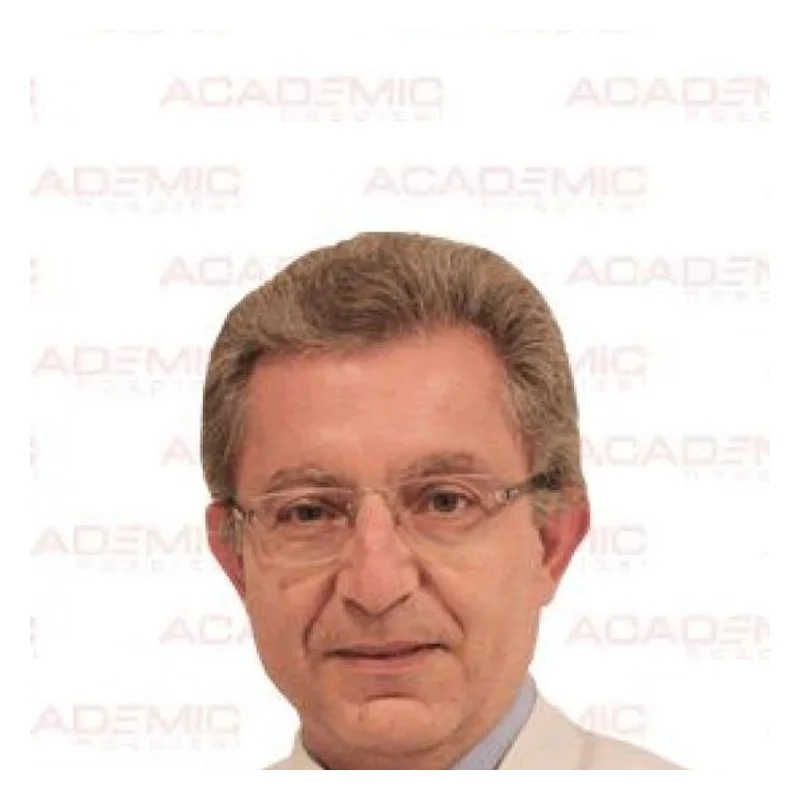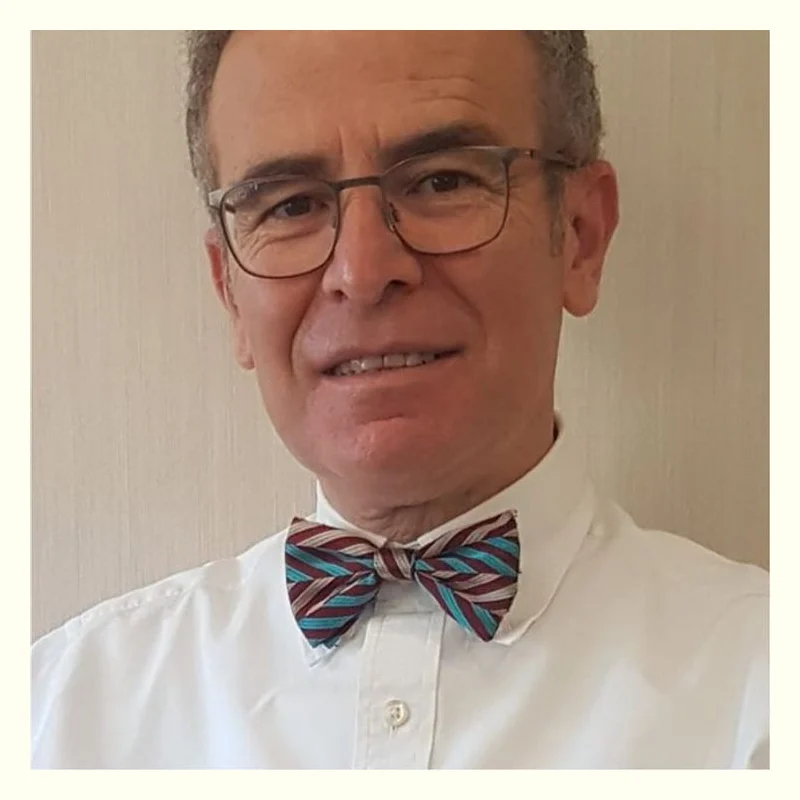
Prof. Dr. Ali Serdar Fak
Cardiac SurgeryVerified
- 29+years exp.
English · Turkish
FromPrice on request
Free quote
60 seconds · no obligationView Profile
How aortic stent grafting (EVAR for the abdomen, TEVAR for the chest) is carried out through the groin, which anatomy makes a patient suitable, what the evidence says about leaks and re-intervention, approximate costs in Turkey against the UK, US and Germany, hospital stay, recovery, lifelong scan follow-up, risks and how to check a vascular team.
A written plan with the surgeon's name and the full price — usually within 24 hours.

2 doctors Compare doctors, ratings and prices — ask any of them for a free quote.
Cardiac SurgeryVerified
English · Turkish
60 seconds · no obligationView Profile
Cardiac SurgeryVerified
English · Turkish
60 seconds · no obligationView Profile
Aortic stent grafting is a keyhole-style alternative to open surgery for an aneurysm or tear of the aorta, the body's main artery. Instead of opening the abdomen or chest, the surgeon makes small cuts or punctures in the groin arteries and passes a folded fabric-covered metal tube (the stent graft) up to the weak section under live X-ray. Once in position the graft opens and forms a new channel for blood, so the bulging wall is no longer exposed to full blood pressure. In the abdomen the procedure is called EVAR (endovascular aneurysm repair); in the chest it is TEVAR (thoracic endovascular aortic repair). Hospitals in Turkey offer it as a planned procedure. For related services see our cardiology treatments in Turkey.
This page is for patients with a stable, already diagnosed condition. Sudden severe abdominal, back or chest pain is an emergency; call your local emergency number and do not travel.
A stent graft needs a healthy landing zone: a stretch of normal aorta above and below the aneurysm where the graft can seal. Surgeons assess the length, width and angle of the aortic neck, how much calcium or clot lines the wall and whether the iliac and femoral arteries are wide and straight enough for the delivery system to pass. Some patients are suitable for a standard off-the-shelf graft; others with aneurysms close to the kidney arteries need a fenestrated or branched graft made to measure, which takes weeks to manufacture and is a more specialised procedure. People whose anatomy fails these checks are usually offered open repair instead. A detailed CT angiogram is therefore the starting point, and no honest quote can be given without it.
You meet the anaesthetist, who chooses between general, regional (epidural or spinal) or local anaesthesia with sedation. The surgeon accesses the femoral arteries through small groin incisions or, in some units, through a needle puncture closed with a device. A guide wire and the graft are advanced under X-ray with contrast dye, the graft is released and expanded, and balloon moulding presses it against the artery wall. A final angiogram checks that blood flows through the graft and not around it. Operating time is commonly one to three hours, longer for fenestrated or thoracic cases. You wake in recovery, lie flat for a few hours and usually get up the next morning.
For suitable anatomy the method is well established. Large trials and NHS guidance report lower early death and complication rates than open surgery, a shorter hospital stay and quicker recovery. The trade-off is durability: stent grafts can develop endoleaks, where blood still seeps into the aneurysm sac, can migrate or kink, and a proportion of patients need a further procedure years later. That is why the operation comes with lifelong surveillance, usually by CT or ultrasound. A stent graft does not cure the underlying vessel disease; blood-pressure control, not smoking and taking prescribed statins and antiplatelets remain part of the plan.
These approximate ranges describe an uncomplicated planned procedure, not hospital quotes. The hospital confirms its price in writing after reviewing your CT scans.
| Country | Approximate cost range |
|---|---|
| Turkey | €8,000 – €25,000 |
| United Kingdom | €15,000 – €40,000 |
| United States | €40,000 – €130,000 |
| Germany | €14,000 – €35,000 |
The graft itself is the largest single cost, and a custom-made fenestrated or branched device sits at the top of the range. Other factors: abdominal or thoracic repair, number of days in hospital, imaging, a second procedure during the same stay and any complication. A written aortic stent grafting price should list the device, surgeon and anaesthetist fees, hospital nights, scans and medication, and say what is not included, such as later surveillance scans at home.
| Option | Best suited to | Typical limits |
|---|---|---|
| Standard stent graft | Aneurysm with a long, straight healthy neck below the kidney arteries | Cannot cover branch vessels; lifelong scans |
| Fenestrated or branched graft | Aneurysms involving or near the kidney, gut or arch vessels | Made to order; fewer centres; longer planning |
| Open repair | Unsuitable anatomy, younger and fitter patients | Larger operation and a longer recovery |
Open repair means opening the abdomen or chest and sewing in a tube graft; it is a larger operation but is not limited by the shape of the aorta. Your surgeon should explain why the stent route is or is not right for you, and what would make them change to open surgery on the day.
The most common use is an abdominal aortic aneurysm, but the same technique treats thoracic aneurysms, some tears in the aortic wall (dissections), penetrating ulcers and, in selected cases, injuries to the aorta. The reason for treatment affects the timing: an aneurysm found on a scan can often be planned for weeks ahead, while an acute dissection or a symptomatic aneurysm cannot wait and belongs in the nearest emergency vascular unit. A planned stent graft in Turkey suits the first group only, with recent scans and a stable condition.
Most patients stay two to four nights. Groin bruising, tiredness and a mild fever called post-implantation syndrome can occur in the first days. Expect to walk the next morning, resume light activity within a week or two and avoid heavy lifting and strenuous exercise for about four to six weeks. Desk work is often possible after two weeks; physical work takes longer. Flying is allowed once the surgeon has checked the groin wounds and the pre-discharge scan; many teams ask patients to stay in Turkey for several days after the procedure. Thoracic or fenestrated repairs need a longer stay and closer monitoring, so ask for a time estimate for your own case.
Surveillance is the part most often forgotten in a price comparison. Typical schedules include a scan before discharge, another at around one month, and then yearly imaging, although your surgeon may set a different plan. The scans look for endoleaks, graft position and changes in aneurysm size. Before you travel, confirm that your home hospital or vascular service will accept the follow-up, and ask the Turkish team to give you the operation report, the make and model of the graft and the discharge images on disc. Without these, a local specialist cannot interpret later scans properly.
It is still a serious procedure. Risks listed by the NHS and vascular societies include bleeding or bruising at the groin, infection, kidney damage from contrast dye, blocked or narrowed arteries to the legs, graft leaks, graft movement and, rarely, stroke, paralysis (more relevant to thoracic repairs) or death. A small share of patients need a second procedure. Fitness matters: heart, lung and kidney function influence both anaesthesia and the contrast load you can tolerate, and the team may ask for an ECG, blood tests and an echocardiogram. Ask for your personal risk in plain terms and the plan if a problem appears after you return home.
Look for a vascular or cardiovascular surgeon registered in Turkey who performs endovascular aortic repairs regularly, working in a licensed hospital with a hybrid operating room or catheter laboratory, an intensive care unit and the ability to convert to open surgery if needed. Red flags: a quote without a CT review, a promise of a risk-free outcome, no named surgeon, pressure to pay a deposit quickly, and no follow-up plan. Read how our process works and send your scan reports through the free quote page for a written plan.
It is a minimally invasive repair in which a fabric-covered stent is passed through the groin arteries to line a weakened section of the aorta. Blood then flows through the graft instead of pressing on the aneurysm wall.
EVAR repairs an aneurysm in the abdominal aorta, while TEVAR repairs the thoracic aorta in the chest. Both use the same principle of a stent graft delivered from the groin, but thoracic cases carry some different risks.
For suitable anatomy it lowers the risk of rupture and has a lower early risk and shorter recovery than open repair. It needs lifelong scans because leaks or graft movement can occur and sometimes require a further procedure.
Approximate ranges are €8,000 to €25,000 in Turkey against around €15,000 to €40,000 in the UK. A custom fenestrated graft costs more, and the hospital confirms its price in a written quote.
That depends on your CT scan: the length and angle of the aortic neck, wall calcium and the size of the groin arteries all matter. If the anatomy is unsuitable, open repair may be advised.
Most people stay two to four nights, walk the next morning and return to light activity in one to two weeks. Heavy lifting and strenuous exercise usually wait for four to six weeks.
Discomfort is usually mild: groin soreness and bruising, sometimes a short fever in the first days. Anaesthesia prevents pain during the procedure, and ordinary painkillers normally control the aftermath.
A scan before discharge, usually another at about a month and then regular imaging, often yearly, for life. These check for leaks and graft position, so bring your reports and images home.
An endoleak is blood continuing to flow into the aneurysm sac outside the graft. Some small ones settle on their own and are watched, while others need a second procedure. Scans are how they are found.
Usually after the surgeon has checked the wounds and the follow-up scan, which often means staying several days after the procedure. Thoracic or custom-graft repairs may need longer, so ask for advice for your own case.
Your request is in!
Your coordinator will contact you — usually within 2 hours, 24/7.
Want a faster, more accurate assessment?
Add photos & medical detailsLeave your number — a coordinator calls you in your language, usually within 15 minutes during office hours.
Thank you!
A coordinator will contact you at the time you chose.