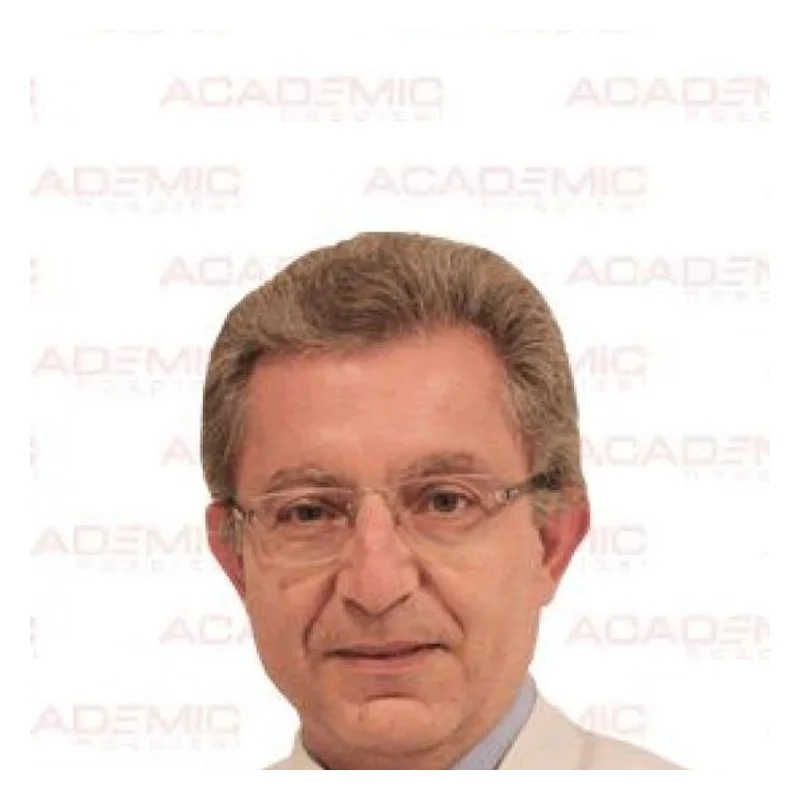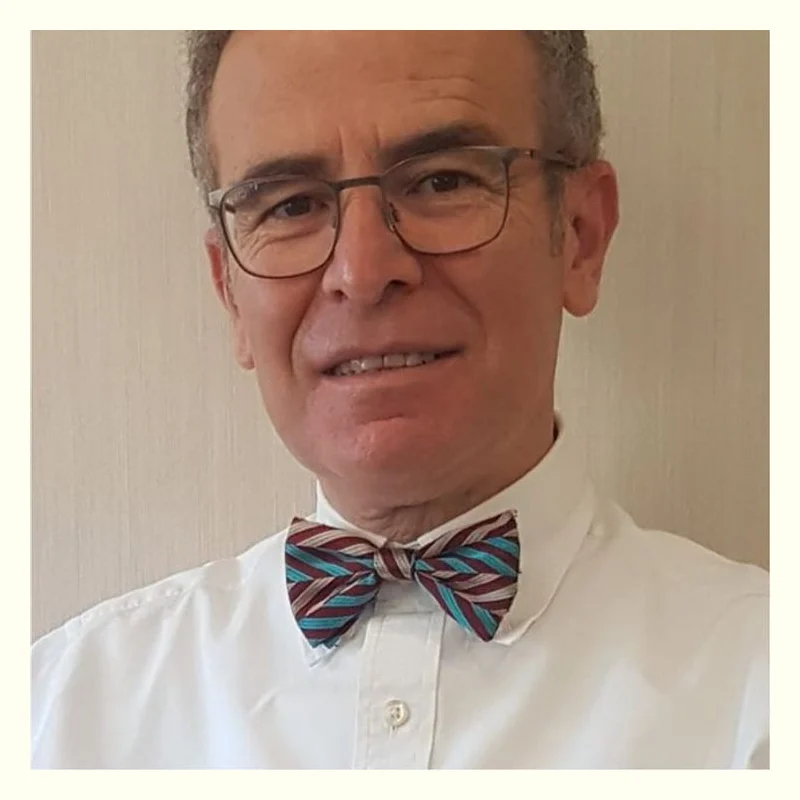
Prof. Dr. Ali Serdar Fak
Cardiac SurgeryVerified
- 29+years exp.
English · Turkish
FromPrice on request
Free quote
60 seconds · no obligationView Profile
A guide to vascular surgery in Turkey: varicose vein treatments such as sclerotherapy, laser and radiofrequency ablation, plus angioplasty, stenting, atherectomy, carotid surgery, leg bypass and aortic aneurysm repair. It explains how the treatments differ, who is considered, what a stay involves, what affects the price and how to check a hospital.
A written plan with the surgeon's name and the full price — usually within 24 hours.

2 doctors Compare doctors, ratings and prices — ask any of them for a free quote.
Cardiac SurgeryVerified
English · Turkish
60 seconds · no obligationView Profile
Cardiac SurgeryVerified
English · Turkish
60 seconds · no obligationView Profile
Vascular surgery in Turkey treats diseases of the veins and arteries outside the heart. It covers two quite different groups of problems. Vein problems, mainly varicose veins, are treated to relieve aching, swelling and skin changes. Arterial problems, such as narrowed leg arteries, narrowed neck arteries, aneurysms and dissections, can threaten a limb, a stroke or life itself and are treated with stents, angioplasty or open surgery. Our overview of Cardiac Surgery treatments in Turkey shows how this group sits alongside heart operations.
Because the two groups have little in common, it helps to read them separately. Varicose vein treatment is usually planned and done as a day procedure. Arterial treatment is often urgent or closely tied to heart and stroke risk, and it needs a full vascular assessment before anything is decided.
For varicose veins, a duplex ultrasound shows which veins are leaking and how large they are. Small surface veins and spider veins are usually treated by sclerotherapy of varicose veins, in which a solution or foam is injected to close them. Larger leaking trunk veins are commonly closed from inside, by laser treatment for varicose veins, EVLA endovenous laser ablation or endovenous radiofrequency ablation, using a thin catheter and local anaesthetic. Vein stripping and surgical removal remain options for some veins that are unsuited to catheters.
For arteries, imaging with ultrasound, CT or angiography shows where the narrowing is and how severe it is. Angioplasty with stenting opens a narrowed leg or neck artery from inside, and atherectomy removes plaque with a special device. Carotid endarterectomy removes plaque from the neck artery by open surgery. A femoral-popliteal bypass redirects blood around a blocked leg artery using a graft. Aortic aneurysm surgery repairs a weakened section of the main artery, and an arterial dissection may be treated with a stent. The choice depends on the artery, the length of the blockage, the patient's other conditions and the surgeon's assessment.
Treatments differ greatly. Sclerotherapy and catheter-based vein closures are usually done in under an hour, and most people walk straight afterwards, wear compression stockings for a few weeks and return to normal activity within days. Angioplasty and stenting normally involve one or two nights in hospital. Open operations such as carotid endarterectomy, leg bypass and aneurysm surgery need a longer stay and a longer recovery, and your surgeon will say when it is safe to fly.
Many people combine a vein procedure with a short stay of a few days. Arterial treatment needs a more careful plan, including medicines, follow-up scans and a doctor at home who can continue your care. Ask for your scans, the operation report and a medicine list to take with you.
The price depends on the procedure, the number of veins or arteries treated and the length of hospital stay. A single-leg vein closure costs far less than an open bypass or aneurysm repair. Stents, grafts and special catheters are priced by device, and the type can change the total. Imaging, intensive care days, anaesthesia and complications may be listed separately. Ask for a written plan that names the procedure, the device and what is included, so that quotes can be compared.
Choose a licensed hospital with a vascular surgery or interventional radiology department, duplex ultrasound, CT or angiography on site and intensive care for arterial cases. Ask who will operate, how often they perform your type of procedure and what the usual complications are. For carotid and aortic treatment, ask about the team's experience and how emergencies are handled. Check that the plan explains the follow-up scans, medicines and what happens if the result is not as expected.
Send your recent scans, such as duplex ultrasound, CT or angiography, any previous reports, your current medicines and a short history of your symptoms through the free quote form. A vascular surgeon at a licensed hospital reviews them and prepares a written plan with the proposed procedure, the number of nights, the expected tests and the full price. The plan may change after the doctors have examined you in person. You receive it without obligation, pay the hospital directly and our service is free for patients. A coordinator helps with appointments and questions before and after your stay.
A vascular surgeon treats diseases of the veins and arteries outside the heart, such as varicose veins, narrowed leg or neck arteries, aortic aneurysms and arterial dissection. Treatment ranges from injections and catheter procedures to open bypass operations.
Small veins are usually treated with sclerotherapy injections. Larger leaking veins are closed from inside with laser, EVLA or radiofrequency ablation under local anaesthetic. Stripping or surgical removal is used for some veins. A duplex ultrasound decides which method suits you.
EVLA places a laser fibre inside a larger vein through a catheter and seals it from within. Sclerotherapy injects a solution or foam into smaller veins to close them. They treat different sizes of vein and are sometimes combined.
Most people walk immediately and return to normal activity within a few days. You usually wear compression stockings for a couple of weeks and avoid heavy exercise at first. Bruising and tightness along the treated vein are common and settle.
A catheter is passed through an artery to the narrowed segment, a balloon widens it, and a small mesh tube, called a stent, may be left to keep it open. It avoids a large incision and normally needs a short hospital stay.
Open surgery is considered when an artery is blocked or narrowed in a way that angioplasty or stenting cannot treat safely, or when the risk of limb loss or stroke is high. The vascular team weighs the options after imaging.
Send recent scans, reports, your medicines and a short history through the free quote form. A vascular surgeon reviews them and the hospital sends a written plan with the proposed procedure and price, free of charge and without obligation.
Your request is in!
Your coordinator will contact you — usually within 2 hours, 24/7.
Want a faster, more accurate assessment?
Add photos & medical detailsLeave your number — a coordinator calls you in your language, usually within 15 minutes during office hours.
Thank you!
A coordinator will contact you at the time you chose.