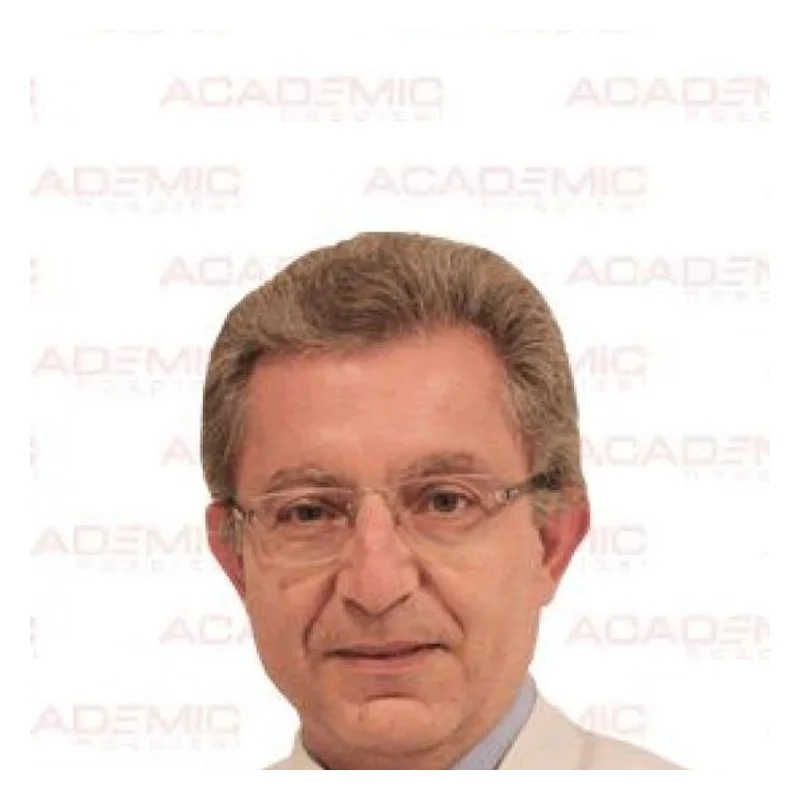
Prof. Dr. Ali Serdar Fak
Cardiac SurgeryVerified
- 29+years exp.
English · Turkish
FromPrice on request
Free quote
60 seconds · no obligationView Profile
Arrhythmia treatment in Turkey covers the electrophysiology study, radiofrequency ablation with 3D mapping, cryoablation, ablation of accessory pathways, transesophageal cardiostimulation and pacemaker implantation. This guide explains how they differ, who they suit, what the trip involves, what shapes the price and how to check a hospital.
A written plan with the surgeon's name and the full price — usually within 24 hours.

2 doctors Compare doctors, ratings and prices — ask any of them for a free quote.
Cardiac SurgeryVerified
English · Turkish
60 seconds · no obligationView Profile
Cardiac SurgeryVerified
English · Turkish
60 seconds · no obligationView Profile
Arrhythmia treatment in Turkey covers the tests and procedures used when the heart beats too fast, too slowly or irregularly. Hospitals in our network offer them within Cardiac Surgery treatments in Turkey. Most of these are catheter procedures: thin wires are guided through a vein to the heart, so no chest incision is needed.
The treatments do different jobs. An electrophysiology study (EPS) records the heart’s electrical signals to find where an abnormal rhythm starts. Radiofrequency ablation with 3D mapping uses heat to treat that spot, guided by a computer-built map of the heart. Cryoablation does the same with extreme cold. Ablation of accessory pathways treats an extra electrical connection, present from birth, that can cause sudden fast rhythms. Transesophageal cardiostimulation uses a thin wire in the food pipe to pace or test the heart without entering it. Pacemaker implantation is different again: a small device placed under the skin that treats a heart rhythm that is too slow.
Tests come first. An ECG, a long-term heart monitor and an echocardiogram show what kind of rhythm problem you have. If the findings are unclear, an EPS gives a more precise answer, and it is often combined with treatment in the same session if a cause is found.
Ablation is generally considered for people with a fast rhythm problem that keeps returning, that causes symptoms, or that does not respond to medication. The choice between radiofrequency and cryoablation depends on the type of arrhythmia and where it arises; your electrophysiologist should explain why they recommend one over the other. A pacemaker is considered for slow rhythms or heart block that cause dizziness, fainting or breathlessness. Which device and how many wires it needs depends on the rhythm problem.
Not every arrhythmia needs a procedure. Some are managed with medication or by treating another cause, such as thyroid disease. If your home cardiologist has already advised a treatment, bring or send their report so the hospital can compare it with its own findings.
Catheter procedures are usually carried out under local anaesthetic with sedation, or sometimes general anaesthetic. Many people stay in hospital one to two nights for monitoring, though your cardiologist decides this. The groin or neck puncture site needs care for a few days, and heavy lifting is usually restricted for about a week or as advised.
After a pacemaker implant, arm movement on the implant side is limited for a few weeks and you receive a device card and programming details. Ask the hospital for the procedure report, ECG tracings and the device details to bring home, and arrange pacemaker checks with your local clinic. Plan to stay in Turkey until the team confirms it is safe to fly; air travel is generally possible soon after uncomplicated procedures but that is always the doctor’s decision.
The price depends first on which procedure you need. An EPS alone is usually the least expensive item, ablation costs more, and a pacemaker adds the cost of the device itself. The make and type of pacemaker, the use of 3D mapping equipment or a cryoablation system, the length of the procedure and the hospital stay all influence the total.
If a test leads straight to treatment, ask whether the quote covers both. Check that it names the implanted device and what is included for follow-up. The reliable figure is the one in a written plan based on your own reports, not a general range.
Rhythm procedures need an electrophysiology laboratory and experienced staff. Before you commit, ask the hospital for the following in writing:
Hospitals on our site are licensed by the Turkish Ministry of Health and authorised to treat international patients.
Requesting a free quote costs nothing and commits you to nothing. Send your diagnosis, recent ECG, monitor results, echocardiogram and any previous procedure reports. A cardiologist at a suitable hospital reviews them and replies with a written plan that names the doctor, the proposed procedure, the expected stay and the full price.
You compare the plan with your own doctor’s advice and decide in your own time. Our service is free for patients and you pay the hospital directly. A coordinator can help with appointments, transfers and questions before and after treatment. To see the full range, browse cardiac surgery or go straight to the free quote form.
Radiofrequency ablation uses heat to treat the small area of heart tissue that triggers an abnormal rhythm; cryoablation uses extreme cold. Both are catheter procedures. Which is used depends on the type of arrhythmia and where it starts, and your electrophysiologist makes that choice.
An electrophysiology study (EPS) is a catheter test that records the heart's electrical signals to find the source of an abnormal rhythm. If a treatable cause is found, ablation can sometimes be carried out in the same session.
Usually not. Ablation and pacemaker implantation are done through a vein or under the skin, without opening the chest. Surgery for rhythm problems is rare and is considered only when catheter treatment is not suitable.
A pacemaker is considered when the heart beats too slowly or the electrical signal is blocked, causing dizziness, fainting or breathlessness. The decision follows ECG and monitor findings and a cardiologist's examination.
Many people stay in hospital for one to two nights, then remain in Turkey for a few more days for a check-up before flying. Your cardiologist decides the exact timing according to your procedure and recovery.
Sometimes it resolves the problem for good, but the rhythm can return in some people, and a repeat procedure may then be discussed. Your cardiologist can explain what to expect for your type of arrhythmia, since results differ between conditions.
Send recent ECGs, heart monitor reports, an echocardiogram, a list of medication and any earlier procedure reports. The more complete the records, the more precise the written plan. The free quote form accepts documents and photos.
Your request is in!
Your coordinator will contact you — usually within 2 hours, 24/7.
Want a faster, more accurate assessment?
Add photos & medical detailsLeave your number — a coordinator calls you in your language, usually within 15 minutes during office hours.
Thank you!
A coordinator will contact you at the time you chose.