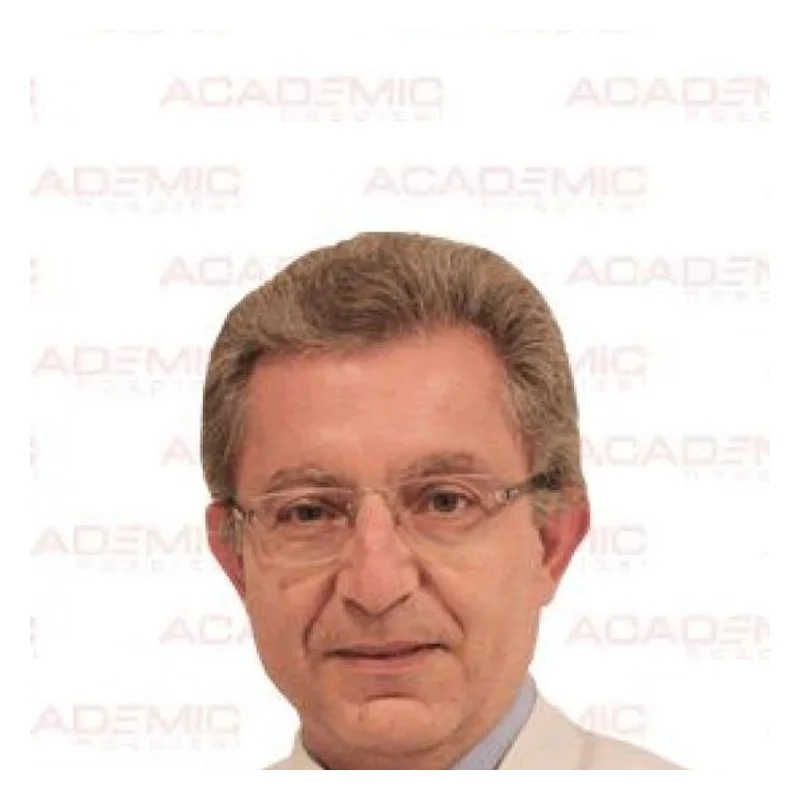
Prof. Dr. Ali Serdar Fak
Cardiac SurgeryVerified
- 29+years exp.
English · Turkish
FromPrice on request
Free quote
60 seconds · no obligationView Profile
A guide to heart surgery in Turkey: coronary bypass (CABG), aortic and mitral valve repair and replacement, open heart surgery, surgery for acquired heart defects and heart or heart-lung transplantation. It explains how the operations differ, who they suit, what recovery involves, what affects the price and how to check a hospital.
A written plan with the surgeon's name and the full price — usually within 24 hours.

2 doctors Compare doctors, ratings and prices — ask any of them for a free quote.
Cardiac SurgeryVerified
English · Turkish
60 seconds · no obligationView Profile
Cardiac SurgeryVerified
English · Turkish
60 seconds · no obligationView Profile
Heart surgery in Turkey covers operations on the heart's arteries, valves and chambers, from coronary bypass to valve repair and replacement and, in specialist centres, transplantation. The hospitals on our site list them here as Cardiac Surgery treatments in Turkey. Many of these are described as open heart surgery, meaning the surgeon works through the breastbone, although some valve operations can be done through smaller cuts.
The main groups are as follows. Coronary artery bypass grafting (CABG) takes a vein or artery from elsewhere in the body to bypass a narrowed coronary artery. Valve repair, such as mitral valve repair, reshapes your own valve. Valve replacement, including mitral valve replacement and replacement of the aortic valve, substitutes a mechanical or tissue valve. Surgery for acquired heart defects covers problems that develop after birth. Heart and heart-lung transplantation are for end-stage disease and need strict eligibility and donor rules.
These operations are not chosen from a website; they follow a diagnosis made with an ECG, echocardiogram, angiogram, CT or MRI, and a heart team's recommendation. Understanding the reasoning helps you ask questions.
Age, other illnesses, kidney and lung function and previous heart operations all change the risk. If you have been told you need surgery, send your reports and images so a Turkish team can give a second opinion.
Heart surgery is major. Expect several days in hospital, including intensive care for the first day or two, then a ward stay, tubes and drains that are removed in stages, and a first month of limited movement while the breastbone heals. You will not lift heavy items or drive for some weeks. Walking begins early, and cardiac rehabilitation helps recovery. Fatigue, mood swings and sleep problems are common and improve over time.
Plan to stay in Turkey for roughly two weeks or as long as the team advises, since you should not fly until your wounds, heart rhythm, blood tests and blood thinning are stable. Travel by air after major heart surgery needs the surgeon's agreement. Make sure your own cardiologist will accept the follow-up and has the discharge papers.
The price depends on the operation, the number of bypass grafts or valves, the type of valve, and the length of intensive care and ward stay. Complex cases, previous surgery and complications raise the cost. Implants such as valves and grafts, blood products, tests, medicines, rehabilitation and follow-up are priced differently between hospitals. Ask for a written plan that states what is included and what happens if extra days or procedures are needed, so that offers are comparable. Treat unusually low figures with caution.
Choose a hospital licensed by the Turkish Ministry of Health and authorised for health tourism, with a cardiac intensive care unit, a cath lab and a team available around the clock. Ask which surgeon will operate, how often they perform your exact operation, and what the hospital's results are for it, in numbers it can share and explain. Ask what valve or graft will be used and why. Be wary of any promise of outcome or pressure to decide in a day. A good hospital welcomes questions and lets you speak with the surgeon or cardiologist before you travel.
Send your diagnosis, recent reports and images, medicines and health history through the free quote form. A cardiac team at a licensed hospital reviews them and replies with a written plan: whether surgery is suitable, the operation proposed, the surgeon, the expected stay and the full price. The service is free for patients and without obligation, and you pay the hospital directly. A coordinator can help with appointments and transfers. You may use the plan as a second opinion alongside your own cardiologist's advice.
Hospitals perform coronary artery bypass grafting, mitral and aortic valve repair and replacement, other open heart surgery, surgery for acquired heart defects and, in specialist centres, heart and heart-lung transplantation.
Repair keeps and reshapes your own valve, which is often preferred for the mitral valve when it can be saved. Replacement removes the valve and puts in a mechanical or tissue one. The surgeon decides after imaging.
A mechanical valve lasts longer but needs lifelong blood-thinning medicine. A tissue valve usually avoids that but may wear out sooner, so it is often considered for older patients. Your age, health and plans for pregnancy matter.
Most people spend about a week in hospital and several weeks to a few months recovering, with no heavy lifting while the breastbone heals. Cardiac rehabilitation helps. Your surgeon gives a personal timetable.
Not until the surgeon agrees. This is commonly one to two weeks after the operation, once wounds, heart rhythm, blood tests and medicines are stable. Ask for a written discharge summary.
Yes. Send your reports, angiogram or echocardiogram images and medicines, and a hospital cardiac team will review them and suggest a plan. It is free, and you can compare it with your own cardiologist's advice.
Some specialist centres perform heart and heart-lung transplantation, but eligibility, waiting lists and donor rules apply, and international patients may be limited. Ask the hospital directly whether your case can be assessed.
Your request is in!
Your coordinator will contact you — usually within 2 hours, 24/7.
Want a faster, more accurate assessment?
Add photos & medical detailsLeave your number — a coordinator calls you in your language, usually within 15 minutes during office hours.
Thank you!
A coordinator will contact you at the time you chose.