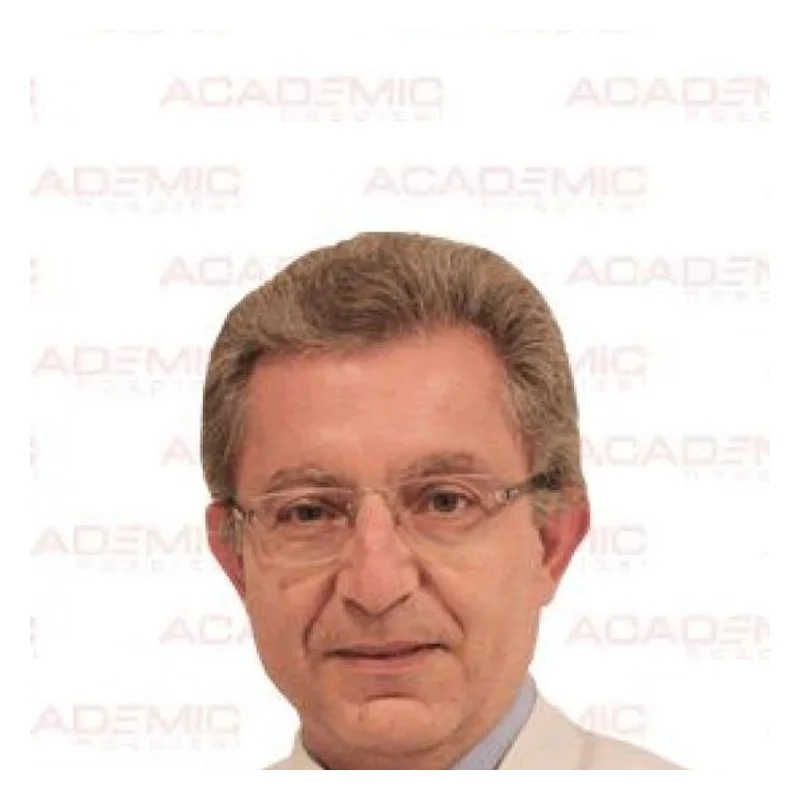
Prof. Dr. Ali Serdar Fak
Cardiac SurgeryVerified
- 29+years exp.
English · Turkish
FromPrice on request
Free quote
60 seconds · no obligationView Profile
A guide to interventional cardiology in Turkey: angioplasty, coronary stenting, TAVI, valvuloplasty, covered stents, EECP therapy and diagnostic catheterisation. It explains how the procedures differ, who they suit, what the trip and recovery involve, what shapes the price and how to check a hospital and cardiologist.
A written plan with the surgeon's name and the full price — usually within 24 hours.

2 doctors Compare doctors, ratings and prices — ask any of them for a free quote.
Cardiac SurgeryVerified
English · Turkish
60 seconds · no obligationView Profile
Cardiac SurgeryVerified
English · Turkish
60 seconds · no obligationView Profile
Interventional cardiology in Turkey means treating heart and blood vessel disease through a thin tube (a catheter) passed through an artery in the wrist or groin, instead of through open surgery. The hospitals on our site list coronary and general angioplasty, coronary stenting, covered stent placement, valvuloplasty, coronary revascularisation, transcatheter aortic valve implantation (TAVI), EECP therapy and diagnostic catheterisation. They belong to the wider field of cardiac surgery treatments in Turkey, and some patients end up needing surgery rather than a catheter procedure.
The procedures solve different problems. Diagnostic catheterisation looks at the coronary arteries with contrast dye and measures pressures. Angioplasty opens a narrowed artery with a small balloon, and a stent is a mesh tube left in place to keep it open. A covered stent seals a tear or leak in a vessel wall. Valvuloplasty widens a stiff valve with a balloon. TAVI places a new aortic valve inside the old one. EECP uses cuffs on the legs to improve blood flow to the heart without any puncture.
The starting point is a diagnosis. Chest pain on effort, a heart attack, an abnormal stress test or a narrowed valve found on an echocardiogram usually leads to a catheter test to see exactly where the problem lies. From there the cardiologist weighs a few options: medication alone, a catheter treatment, or bypass surgery. Several narrowed arteries, diabetes or a weak heart pump can make surgery the better route, and a good team will say so rather than offer a stent by default.
For a narrowed aortic valve, the choice is between open valve replacement and TAVI. TAVI is generally considered for older patients or those for whom open surgery carries higher risk, but the decision rests on age, other illnesses and the anatomy of the valve and vessels. EECP is usually a supportive option for people with persistent angina who are not suited to further procedures. Bring your reports, angiogram images and a current medication list, because the opinion is only as good as the information behind it.
Diagnostic catheterisation is often done as a day case. Angioplasty and stenting usually need one night in hospital, and many patients walk the next day. After a TAVI the stay is longer, commonly a few days, with monitoring of heart rhythm. Recovery after a wrist access site is quicker than after the groin. You will be told how long to avoid heavy lifting and when you may fly, and you will normally take antiplatelet tablets for a set period after a stent. Missing those doses can be dangerous, so plan how you will obtain them at home.
An emergency such as a heart attack needs treatment where you are, not a flight. Travel abroad for a heart procedure should be planned, medically stable and agreed with your own doctor, who can also take over follow-up when you return.
We do not quote figures on this page. The price depends on the procedure, the number of vessels or valves treated, the number and type of stents or the valve device, the length of the hospital stay, the room and whether intensive care is needed. A stent or a valve is an implant with its own manufacturer and cost, so ask which one is proposed. Diagnostic tests are normally priced separately from treatment, and a catheter test may turn into a treatment on the same day if the cardiologist finds a blockage. Ask how that would be charged before you travel.
Heart procedures call for a hospital with a catheterisation laboratory and a surgical team on site in case a complication needs urgent surgery. Before you decide, ask for:
Send your reports and a short description through our free quote form. We pass them to licensed hospitals, and each cardiology team answers with a written plan that names the doctor, the proposed procedure, the stay and what the price includes. You compare the plans without obligation, ask questions and decide with your own doctor. Our service is free for patients, and you pay the hospital directly if you go ahead. A coordinator can help with appointments and transfers.
To read more first, see the overview of cardiac surgery in Turkey, or the page on coronary stenting.
It is the treatment of heart and vessel disease through a catheter inserted in an artery, without open surgery. It includes angioplasty, stenting, valvuloplasty, TAVI and diagnostic catheterisation of the coronary arteries.
Angioplasty opens a narrowed artery by inflating a small balloon. A stent is a mesh tube that is usually placed during angioplasty to hold the artery open. Most angioplasties today include a stent, but not all.
TAVI is generally considered for people with a narrowed aortic valve for whom open surgery carries higher risk, often older patients or those with other illnesses. A heart team weighs age, anatomy and general health before advising.
Often one night, sometimes a day case for a diagnostic test. After TAVI the stay is longer, commonly a few days. The cardiologist will tell you when it is safe to fly home.
An acute heart attack must be treated immediately where you are. Travel for a planned procedure should wait until you are medically stable and your own doctor agrees it is safe.
Enhanced external counterpulsation uses inflatable cuffs on the legs, timed to the heartbeat, to improve blood flow to the heart. It involves no puncture and is mainly used to ease persistent angina.
Ask each hospital for a written plan naming the cardiologist, the procedure, the stent or valve brand, the stay and what is included. Compare these details, not just the headline price.
Your request is in!
Your coordinator will contact you — usually within 2 hours, 24/7.
Want a faster, more accurate assessment?
Add photos & medical detailsLeave your number — a coordinator calls you in your language, usually within 15 minutes during office hours.
Thank you!
A coordinator will contact you at the time you chose.