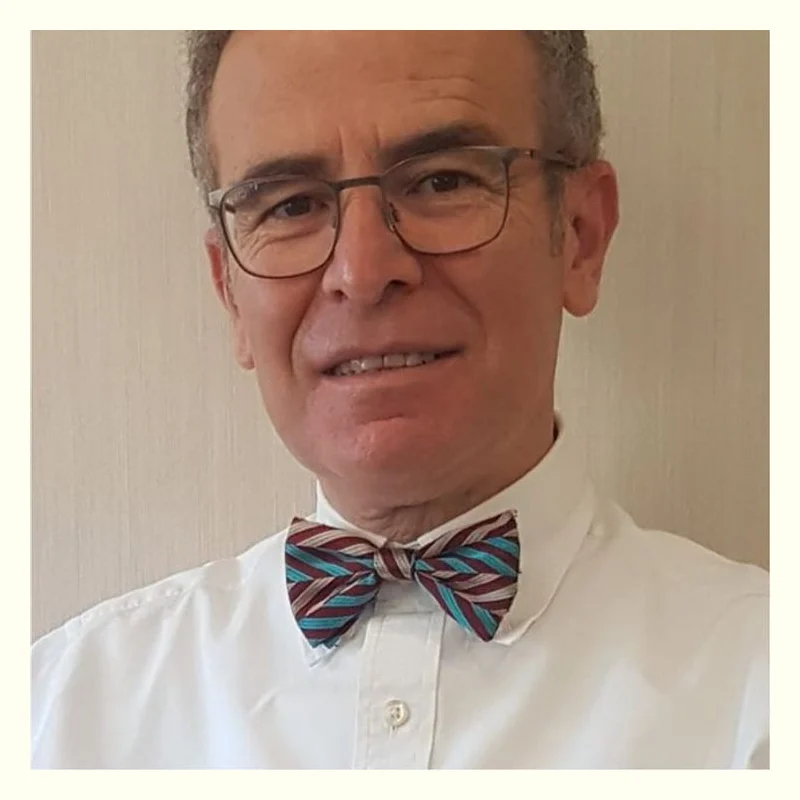
Prof. Dr. Ali Serdar Fak
Cardiac SurgeryVerified
- 29+years exp.
English · Turkish
FromPrice on request
Free quote
60 seconds · no obligationView Profile
What diagnostic catheterization is, how a thin tube guided through an artery in the wrist or groin is used to image the coronary arteries and measure pressures in the heart, who needs it, how it compares with CT angiography and stress tests, approximate costs in Turkey against the UK, US and Germany, the risks, recovery and what to ask a hospital.
A written plan with the surgeon's name and the full price — usually within 24 hours.

2 doctors Compare doctors, ratings and prices — ask any of them for a free quote.
Cardiac SurgeryVerified
English · Turkish
60 seconds · no obligationView Profile
Cardiac SurgeryVerified
English · Turkish
60 seconds · no obligationView Profile
Diagnostic catheterization (also called cardiac catheterisation) is a procedure in which a thin, flexible tube, a catheter, is guided through an artery or vein to the heart so that doctors can look at it from the inside. The catheter is usually inserted through the radial artery at the wrist or the femoral artery at the groin. Contrast dye is injected and X-ray images are taken to show whether the coronary arteries are narrowed or blocked; pressures and oxygen levels inside the heart chambers can also be measured. The aim is diagnosis, not treatment: it tells the cardiologist what is wrong and which treatment, if any, is needed. Hospitals in Turkey perform it in a dedicated catheterisation laboratory.
This guide explains what the test shows, who needs it, how it compares with scans that do not involve a catheter, what it costs compared with the UK, US and Germany, and how to prepare. For the wider field see our overview of cardiology treatments in Turkey.
The most common form is coronary angiography, in which dye outlines the arteries that feed the heart muscle so that narrowings (stenosis) or blockages are visible. You can read more in our guide to coronary angiography. Other measurements taken through a catheter include pressure in the left ventricle, the pressure difference across a heart valve, the output of the heart, and pressure in the lungs (right-heart catheterisation). If a narrowing is borderline, a pressure wire can measure how much it limits blood flow. A sample of heart tissue can also be taken in selected cases. Which of these is needed depends on your symptoms and earlier tests.
Doctors may recommend it when you have chest pain or breathlessness suggesting coronary artery disease, an abnormal stress test or CT scan, a heart attack or unstable symptoms, suspected valve disease before surgery, unexplained heart failure, or congenital heart disease that needs measurement. It is also used before bypass or valve surgery to plan the operation. It is usually not the first test for someone with mild, low-risk symptoms; guidelines from bodies such as the NHS, the European Society of Cardiology and the American Heart Association advise starting with a resting ECG, blood tests and, where appropriate, non-invasive imaging. If a cardiologist abroad advises catheterisation, ask why it is needed now and what decision depends on the result.
Non-invasive tests give clues; catheterisation gives the most direct picture of the coronary arteries and allows treatment during the same visit if needed.
| Test | Best suited to | Typical limits |
|---|---|---|
| Stress ECG or stress imaging | Low to intermediate risk chest pain; shows how the heart responds to effort | Does not show the arteries directly |
| CT coronary angiography | Ruling out significant disease without a catheter | Contrast dye and radiation; less clear with heavy calcium or fast heart rate |
| Diagnostic catheterization | Confirming and measuring blockages, valve and pressure problems; planning surgery | Invasive; small risk of bleeding, kidney strain or artery injury |
A cardiologist chooses the test from your symptoms, risk factors and earlier results. A simple echocardiogram often comes first because it shows heart structure and pumping function without a catheter.
The figures below are approximate ranges for the procedure, not hospital quotes. The final price depends on whether it is a day case or includes an overnight stay, whether pressure measurements or a pressure wire are used, the type of contrast and the hospital.
| Country | Approximate cost range |
|---|---|
| Turkey | €700 – €3,000 |
| United Kingdom | €2,200 – €6,000 |
| United States | €4,000 – €15,000 |
| Germany | €1,800 – €5,000 |
A package usually includes the pre-procedure checks (ECG, blood tests including kidney function), the catheterisation, the cardiologist's report and a short observation period. Ask whether the cost of a stent is included if the cardiologist finds a blockage and treats it in the same session; the price of diagnostic catheterization alone does not cover that. See coronary stenting for what treatment adds.
You usually fast for several hours beforehand and are asked about allergies, especially to iodine contrast, and about medicines such as metformin and blood thinners. You lie on a table and are connected to heart monitors. The skin at the wrist or groin is cleaned and numbed with local anaesthetic, and mild sedation can be given if you are anxious. A small tube is placed in the artery, the catheter is guided to the heart under X-ray, dye is injected and images are taken. You may feel a warm flush when the dye goes in. The test often takes between 20 and 45 minutes, with preparation and observation before and after.
The needle stick is the most uncomfortable part, and the local anaesthetic numbs the area. You are awake throughout so you can follow instructions, such as holding your breath for a moment. You should not feel the catheter moving inside the vessels. Afterwards the entry site can be tender or bruised for several days. Tell the team at once if you feel chest pain, severe pain at the puncture site or numbness in the hand or leg.
Serious complications are uncommon, but the procedure is not risk-free. Minor effects are bruising and soreness at the entry site. Less common are bleeding or a swelling at the artery (pseudoaneurysm), an allergic reaction to contrast, kidney strain from the dye (more likely if kidney function is already reduced or if you are dehydrated) and irregular heartbeat. Rare but serious risks include artery damage, stroke, heart attack and, very rarely, death. The NHS and the British Heart Foundation describe the risk as small and weigh it against the value of the information. Tell the team about kidney disease, diabetes, pregnancy and previous contrast reactions before the test.
After a wrist (radial) approach you can often walk soon afterwards and go home the same day. After a groin (femoral) approach you lie flat for a few hours so that the artery seals. Drink water to help the kidneys clear the dye, avoid heavy lifting and strenuous exercise for about a week or as advised, and keep the site clean and dry. Many people return to desk work within one or two days. Plan to stay in Turkey for the day of the test, at least one further night in case of questions, and until the report is explained. Flying after the procedure depends on the result, particularly if a stent was placed; follow the cardiologist's instructions. You should leave with a written report, the images on a disc or secure link and a clear plan for your doctor at home.
Choose a hospital with a licensed catheterisation laboratory, a cardiologist experienced in invasive procedures, an anaesthetist or sedation team available, intensive care on site and the ability to treat a complication immediately. Red flags include a quote without a breakdown, no pre-test review of your records, pressure to book a stent before the diagnostic result, no written report in English and no named cardiologist. Bring your previous ECG, echo, blood tests and medication list. Read how our process works and request a plan through the free quote page so the hospital can review your records first.
Questions to ask the hospital:
It is a procedure in which a thin tube is guided through an artery to the heart so that doctors can image the coronary arteries and measure pressures. It diagnoses heart problems rather than treating them.
The test often takes 20 to 45 minutes, plus preparation and a period of observation afterwards. Most people go home the same day if the wrist approach was used and no complication occurred.
Approximate ranges are €700 to €3,000 in Turkey, against about €2,200 to €6,000 in the UK. The price depends on pressure measurements, hospital stay and whether a stent is added; the hospital confirms its own price in writing.
The local anaesthetic stings briefly, and you may feel a warm flush when the dye is injected. You should not feel the catheter moving. The entry site can be sore or bruised for several days afterwards.
Serious complications are uncommon, but there are risks including bleeding, artery damage, contrast reactions, kidney strain and, rarely, heart attack or stroke. Your cardiologist weighs these against the value of the result.
After a wrist approach most people walk soon afterwards, while a groin approach needs a few hours lying flat. Many return to desk work within one or two days and avoid heavy lifting for about a week.
CT angiography can rule out significant coronary disease in some patients without a catheter. Catheterisation is more direct, can measure pressures and allows treatment, so the choice depends on your symptoms and risk.
Often within a day or two if the test was diagnostic only and you feel well, but the cardiologist must confirm. If a stent or other treatment was added, follow the specific flying advice you are given.
People with poor kidney function, contrast allergy, uncontrolled bleeding risk or certain infections need extra care or a different test. Share your medical history and medication list before booking.
Plan for the day of the test and at least one more night, so the team can review the result and your puncture site before you travel. A stent or other treatment would lengthen the stay.
Your request is in!
Your coordinator will contact you — usually within 2 hours, 24/7.
Want a faster, more accurate assessment?
Add photos & medical detailsLeave your number — a coordinator calls you in your language, usually within 15 minutes during office hours.
Thank you!
A coordinator will contact you at the time you chose.