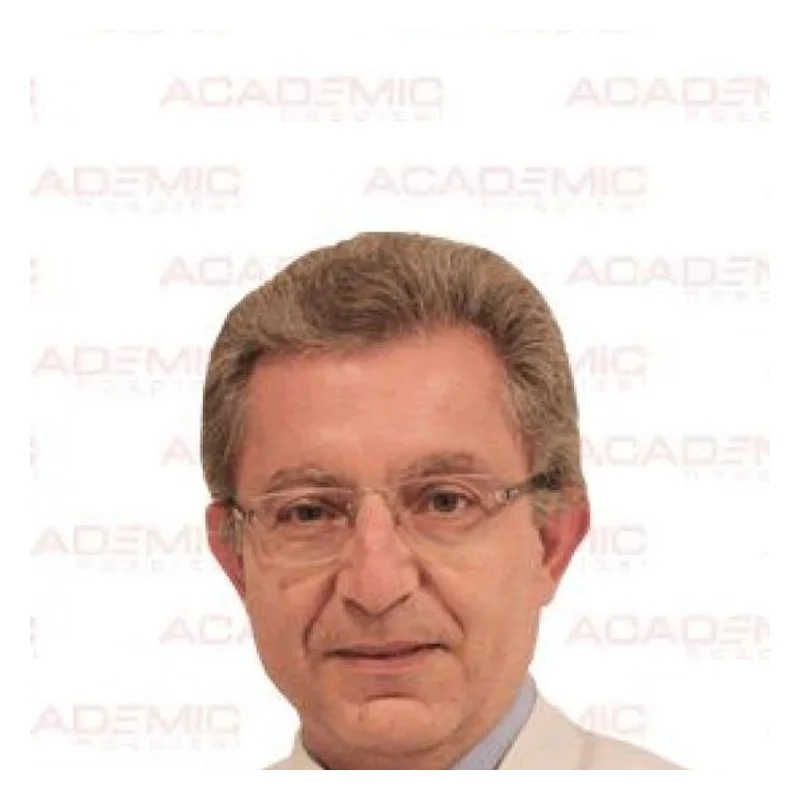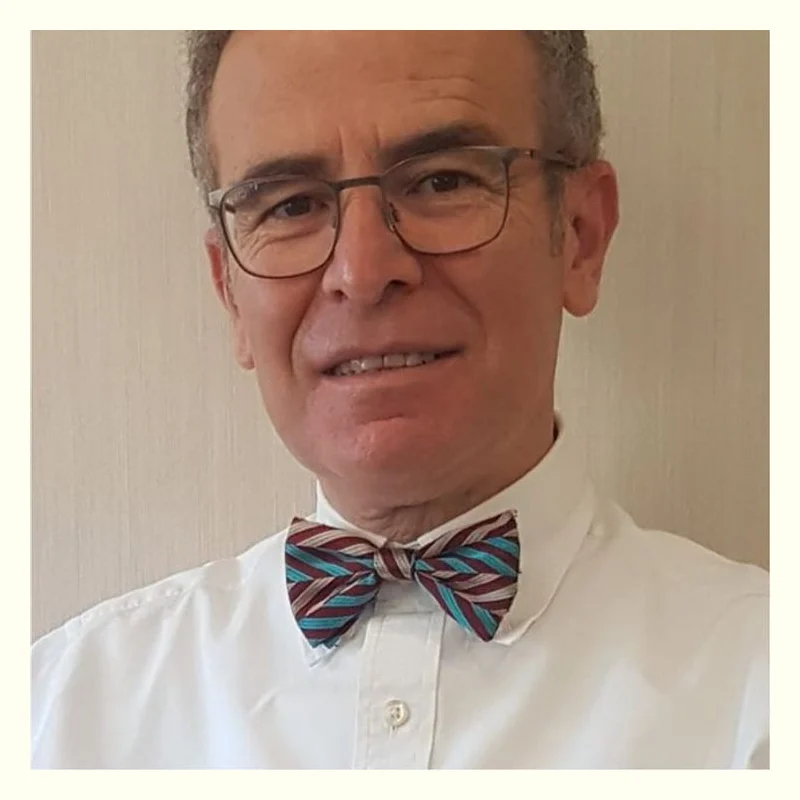
Prof. Dr. Ali Serdar Fak
Cardiac SurgeryVerified
- 29+years exp.
English · Turkish
FromPrice on request
Free quote
60 seconds · no obligationView Profile
Congenital heart disease surgery in Turkey covers septal defect repair, Tetralogy of Fallot surgery and paediatric mitral or aortic valve replacement. This page explains how the operations differ, how to choose a team, what the trip involves and how to ask for a free written plan.
A written plan with the surgeon's name and the full price — usually within 24 hours.

2 doctors Compare doctors, ratings and prices — ask any of them for a free quote.
Cardiac SurgeryVerified
English · Turkish
60 seconds · no obligationView Profile
Cardiac SurgeryVerified
English · Turkish
60 seconds · no obligationView Profile
Congenital heart disease surgery in Turkey treats heart defects that a person is born with, in babies, children and adults who were never fully treated or who need a further operation. The group includes holes between the chambers, narrowed or leaking valves and combined defects. This page brings together the operations listed on our site: atrial septal defect surgery, ventricular septal defect surgery (also written as interventricular septal defect surgery), Tetralogy of Fallot surgery, paediatric mitral valve replacement, paediatric aortic valve replacement and the wider heading of congenital heart surgery.
Each operation corrects a different problem. A septal defect repair closes an opening between two chambers, either with a stitch or with a patch. Tetralogy of Fallot surgery is a longer operation that widens the outflow to the lungs and closes the hole between the ventricles. Valve replacement is planned when a valve cannot be repaired and has to be exchanged. For the wider field, see our overview of Cardiac Surgery treatments in Turkey.
The right operation depends on the exact diagnosis, which is made from an echocardiogram and often a CT or MRI scan, sometimes with a catheter study. Age and weight matter as much as the defect itself. Some defects are closed in infancy, others wait until a child is larger, and some adults first learn of a defect after years without symptoms.
Parents often ask whether surgery is needed at all. Small defects may close by themselves or may only need regular checks, while large ones that cause breathlessness, poor feeding, slow growth or blue lips usually need treatment. That decision belongs to the paediatric cardiologist and cardiac surgeon who see the scans, and it should be made on the reports, not on a web page. If you already have a diagnosis from your own doctor, send the reports with your enquiry so the Turkish team can compare their view with yours.
Most families travel for several weeks. A typical plan has a day or two of tests on arrival, the operation, a stay in intensive care that is usually short, a few days on a ward, and a check before the flight home. The length depends on the operation and on how the child or adult recovers, so the hospital can only give a range at the planning stage.
Children travel with at least one parent, and many hospitals can arrange a room for the family. After discharge there is a period of rest, wound care and gradual return to normal activity. Your own cardiologist at home should receive the operation report, the echocardiogram results and the medicine list, because long-term follow-up for congenital heart disease continues for years.
Congenital heart operations differ widely in cost, and a single average would mislead you. The main factors are the type and complexity of the operation, whether the heart-lung machine is needed, the number of days in intensive care and on the ward, the surgeon and team, the type of valve or patch used, and any additional tests.
A fair quotation lists the operation by name, the implant or material, the hospital stay and the follow-up visits.
Heart surgery in children is a specialist field, so the experience of the whole team matters, not only the surgeon. Before you accept a plan, ask for the following in writing:
The hospitals we work with are licensed and authorised for international patients, but you should still ask these questions and expect direct answers.
Asking for a plan is free. You send the diagnosis, the latest echocardiogram or scan reports and your questions through the free quote form. A cardiac team at a licensed hospital reviews them and, if the case is suitable, returns a written plan with the proposed operation, the surgeon, the expected stay and the full cost. If more tests are needed first, the plan says so.
You then decide at your own pace. Nothing is paid to us, and you pay the hospital directly under the terms of its written plan. A coordinator helps with appointments, transfers and questions before, during and after the stay, and you are free to compare the plan with offers from other countries or with your own doctor's advice.
It is an operation to correct a heart defect present from birth, such as a hole between the chambers, a narrowed valve or a combination of defects. The operation depends on the exact diagnosis and the age and weight of the patient.
Yes. Licensed hospitals in Turkey perform septal defect repair, Tetralogy of Fallot surgery and valve replacement in children and adults. Send your reports for a written plan from a cardiac team.
You do not choose; the diagnosis decides. An echocardiogram or scan shows which defect is present, and the cardiologist and surgeon then propose the operation that matches it.
Families usually plan several weeks, covering tests, the operation, intensive care, ward recovery and a final check before flying. The hospital can give a range once it has reviewed the reports.
Yes. Children normally travel with at least one parent, and the hospital can advise on accommodation for the family during the stay.
Ask who will operate, how many similar operations the team does each year, whether there is a paediatric intensive care unit, what the plan includes and who to call after discharge.
No. Requesting a plan is free, there is no pre-payment to us, and you pay the hospital directly according to its written plan.
Your request is in!
Your coordinator will contact you — usually within 2 hours, 24/7.
Want a faster, more accurate assessment?
Add photos & medical detailsLeave your number — a coordinator calls you in your language, usually within 15 minutes during office hours.
Thank you!
A coordinator will contact you at the time you chose.