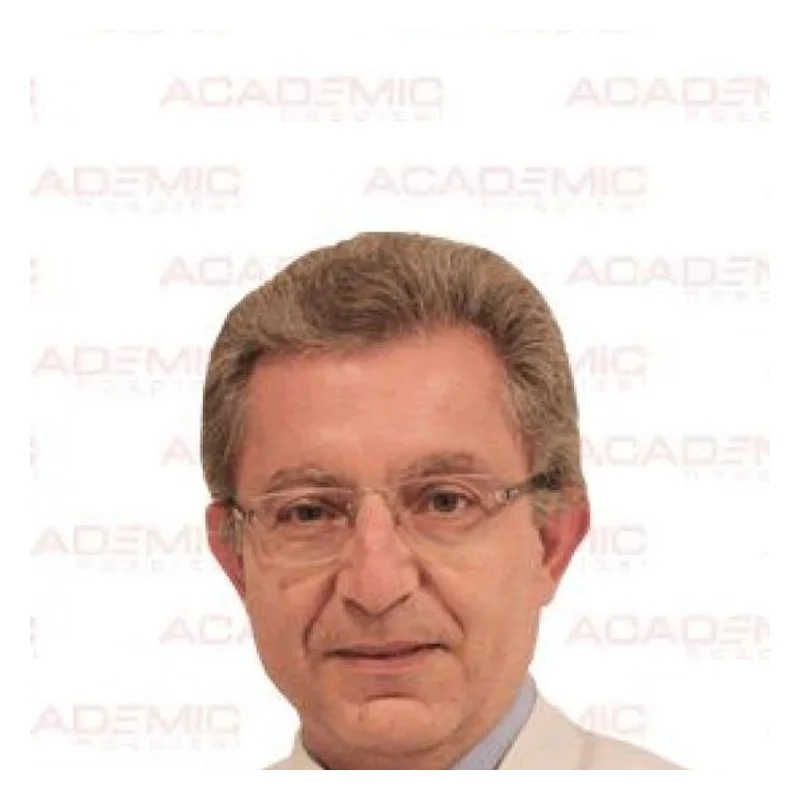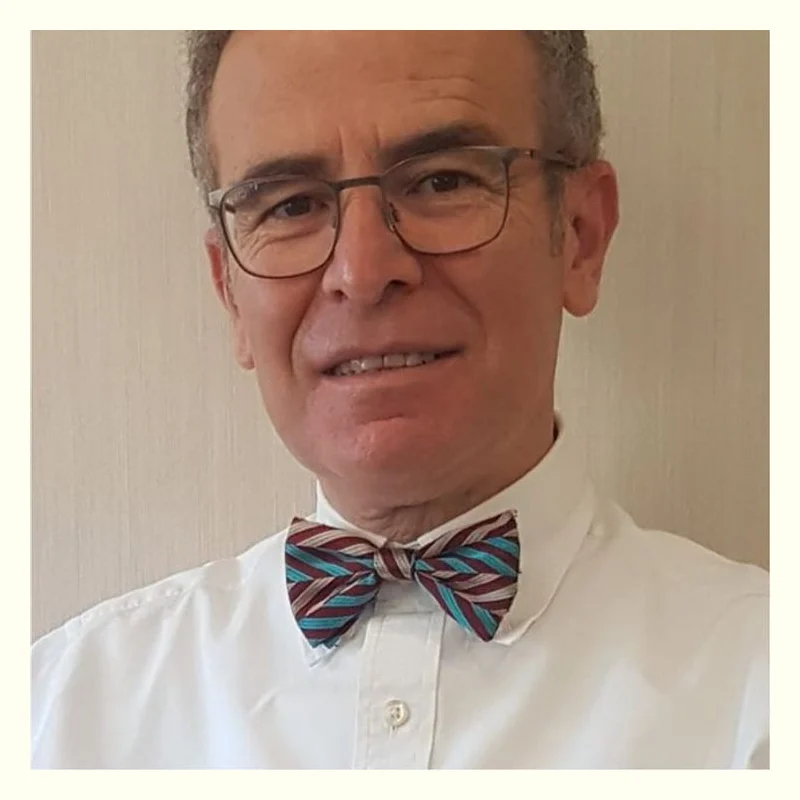
Prof. Dr. Ali Serdar Fak
Cardiac SurgeryVerified
- 29+years exp.
English · Turkish
FromPrice on request
Free quote
60 seconds · no obligationView Profile
What heart cryoablation is, how a freezing balloon isolates the pulmonary veins to treat atrial fibrillation, what the evidence says about success and repeat procedures, who suits it, how it compares with radiofrequency ablation and medicines, approximate costs in Turkey against the UK, US and Germany, the procedure step by step, recovery, risks such as phrenic nerve injury, and how to choose a centre.
A written plan with the surgeon's name and the full price — usually within 24 hours.

2 doctors Compare doctors, ratings and prices — ask any of them for a free quote.
Cardiac SurgeryVerified
English · Turkish
60 seconds · no obligationView Profile
Cardiac SurgeryVerified
English · Turkish
60 seconds · no obligationView Profile
Heart cryoablation is a catheter procedure that uses extreme cold to treat abnormal heart rhythms, most often atrial fibrillation (AF). In AF, rogue electrical signals, usually starting in the pulmonary veins where they join the left atrium, make the upper chambers quiver instead of beat. A thin tube is passed through a vein in the groin to the heart, and a balloon at its tip is cooled with nitrous oxide to about minus 50 degrees Celsius. Held against the opening of each pulmonary vein, it freezes a ring of tissue that becomes a scar and stops the signals from entering the atrium. No cut in the chest is needed.
This guide explains how the procedure works, what the evidence says, who suits it, how it compares with radiofrequency ablation and drugs, what it costs in Turkey against the UK, US and Germany, and what recovery involves. For the wider range of rhythm and heart treatments see our cardiology and heart surgery treatments in Turkey.
For many people, yes. Cryoballoon ablation is a recognised first or second-line treatment for symptomatic AF in guidelines from the European Society of Cardiology and in NICE guidance. A large randomised trial (FIRE AND ICE) found the cryoballoon was non-inferior to radiofrequency ablation for paroxysmal AF in preventing recurrence and had a similar rate of serious complications. Studies commonly report that roughly two out of three to four out of five people with paroxysmal AF are free of AF a year after treatment, with lower rates in persistent AF and in people with a very enlarged left atrium.
It is not a certain cure. Some people need a second procedure, and it is normal to have some irregular beats in the first three months, called the blanking period, while the scar heals. Cryoablation treats the rhythm; it does not remove the need to assess stroke risk or to manage blood pressure, sleep apnoea, alcohol and weight, which all affect AF.
The usual candidate has symptomatic paroxysmal AF, with palpitations, breathlessness or tiredness, that has not been controlled by at least one rhythm drug, or who prefers to avoid long-term drugs. It can also be used in some persistent AF. It is less suitable if there is a blood clot in the left atrium, which must be excluded first with a transoesophageal echocardiogram or CT, if the atrium is very large, if pulmonary vein anatomy is unusual, or if the arrhythmia comes from somewhere other than the pulmonary veins. In those cases, a different technique such as radiofrequency ablation with 3D mapping may be preferred. Heart valve disease may need separate management, as with aortic valve replacement.
All three aim to control AF; they differ in how and in what they suit. Radiofrequency uses heat applied point by point with a 3D map, which allows extra lines or targets beyond the pulmonary veins. Cryoballoon applies a ring in a single freeze at each vein, which is often quicker for straightforward paroxysmal AF. Drugs control rhythm or rate but do not remove the source of the signals.
| Option | Suits | Typical limits |
|---|---|---|
| Cryoballoon ablation | Paroxysmal AF with usual vein anatomy | Phrenic nerve irritation; fewer options for extra lesions |
| Radiofrequency ablation | Persistent AF, other circuits, complex anatomy | Longer procedure; needs a 3D mapping system |
| Anti-arrhythmic drugs | Occasional episodes, people who decline a procedure | Side effects; effect often fades over time |
An electrophysiology study can map the rhythm problem first when the cause is unclear, and our page on arrhythmia treatment covers the other options.
The figures below are approximate ranges for the procedure and a short stay, not hospital quotes. Each hospital confirms its own price after reviewing your records.
| Country | Approximate cost range |
|---|---|
| Turkey | €6,000 – €14,000 |
| United Kingdom | €8,000 – €18,000 |
| United States | €25,000 – €60,000 |
| Germany | €8,000 – €18,000 |
What changes the price: the cryoballoon catheter, which is a single-use device, the use of general anaesthesia or sedation, pre-procedure imaging, overnight stay, and the number of nights before you fly. A package normally includes the tests, the procedure, the ward stay, medication on discharge and transfers; ask for the list in writing.
Before the procedure you have blood tests, an ECG, an echocardiogram and often a CT or transoesophageal scan to check for clots and map the veins. Blood thinners are continued for several weeks beforehand. On the day you are given general anaesthesia or deep sedation. The cardiologist inserts catheters through the femoral vein in the groin, makes a small puncture through the wall between the atria and positions the balloon at each pulmonary vein. Each freeze lasts about three to four minutes, usually repeated, and the team confirms that the signals are blocked. The whole procedure takes roughly two to three hours. A phrenic nerve check by pacing the diaphragm helps protect the nerve that controls breathing.
What results look like is judged by symptoms and rhythm recordings rather than by photographs. Many people notice fewer palpitations and more energy within weeks, but the first three months are not a fair test of the result. A 24-hour or longer heart monitor, or a patch or implanted recorder, shows whether AF episodes have fallen. Treat any claim of a certain cure with caution, and expect your cardiologist to set out what a good outcome means for you.
Most people stay one night in hospital, lying flat for a few hours so the groin puncture can seal. You can walk the same evening or next morning. Plan on about three to four nights in Turkey so the team can check the rhythm, the groin and an echocardiogram before you fly. Mild chest discomfort, a sore throat from the breathing tube and bruising at the groin are common for several days. Many people return to desk work after about a week and to strenuous exercise after about two weeks, if the cardiologist agrees. Blood thinners are normally taken for at least two months and sometimes for life depending on your stroke risk. A follow-up with an ECG or heart monitor at three months decides whether the procedure has worked.
Common effects are groin bruising, chest discomfort and transient palpitations. Less common problems include temporary injury to the phrenic nerve, causing a raised diaphragm and breathlessness that usually recovers within months; bleeding or fluid around the heart (tamponade), stroke or a transient blockage from a clot, damage to the oesophagus and, rarely, narrowing of a pulmonary vein. The NHS, the British Heart Foundation and NICE describe these risks, and serious complications are uncommon in experienced centres. Ask how many cryoballoon procedures the team does each year and what it does if a complication occurs.
Look for a cardiologist who specialises in electrophysiology and ablation, a hospital with a catheter laboratory, anaesthesia, intensive care and cardiac surgery cover on site, and a written plan and price before you pay a deposit. Red flags include a promise of certain success, a quote without any tests, no named specialist and no plan for follow-up at home. Read how our process works and ask for a plan on the free quote page.
Heart cryoablation is a catheter procedure that uses a balloon cooled to about minus 50 degrees Celsius to freeze small rings of tissue at the pulmonary veins. The scar blocks the abnormal signals that trigger atrial fibrillation, without any cut in the chest.
It works for many people, especially with paroxysmal AF. Trials show it performs similarly to radiofrequency ablation, with a majority free of AF after a year. Some people need a repeat procedure, and success is lower in long-standing persistent AF.
An approximate range is €6,000 to €14,000, against roughly €8,000 to €18,000 in the UK. The price depends on the device, anaesthesia, pre-procedure imaging and hospital stay, so ask for an itemised written quote. The quote should say what the package covers and what extra nights would cost.
Most people stay one night in hospital, return to desk work after about a week and resume strenuous exercise after about two weeks. Blood thinners usually continue for at least two months, and the rhythm is reviewed at three months.
You are under general anaesthesia or deep sedation, so you should not feel the procedure. Afterwards some chest discomfort, a sore throat and groin bruising are common, and usually settle within several days with simple painkillers. Ask your cardiologist which pain relief is used afterwards and what to avoid, such as certain anti-inflammatory tablets.
Neither is right for everyone. Cryoballoon suits straightforward paroxysmal AF, while radiofrequency with 3D mapping gives more flexibility for persistent AF or other circuits. The cardiologist should explain why they recommend one for your heart and AF type.
Groin bruising is common. Less often there is temporary phrenic nerve injury, fluid around the heart, stroke, oesophageal injury or pulmonary vein narrowing. Serious complications are uncommon in experienced centres, but you should discuss them with your cardiologist.
Yes. Irregular beats are common in the first three months while the scar heals, and some people have a recurrence later and need a second procedure. Managing blood pressure, weight, alcohol and sleep apnoea lowers the chance.
Plan about three to four nights. The team checks your rhythm, the groin puncture site and an echocardiogram before you travel, and a longer stay may be advised if there are complications. Ask whether the quoted price covers extra nights.
Your request is in!
Your coordinator will contact you — usually within 2 hours, 24/7.
Want a faster, more accurate assessment?
Add photos & medical detailsLeave your number — a coordinator calls you in your language, usually within 15 minutes during office hours.
Thank you!
A coordinator will contact you at the time you chose.