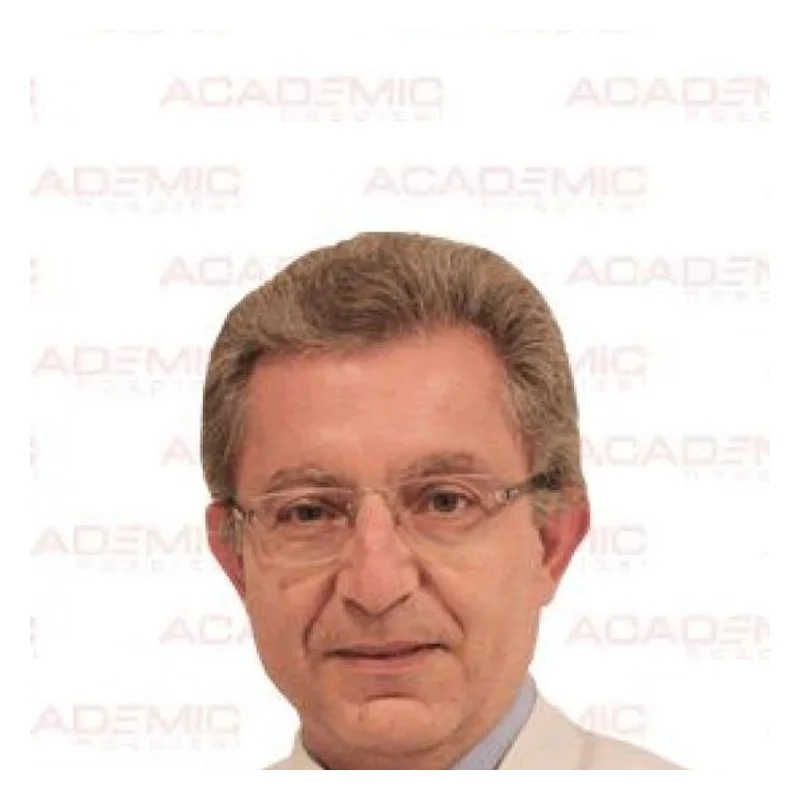
Prof. Dr. Ali Serdar Fak
Cardiac SurgeryVerified
- 29+years exp.
English · Turkish
FromPrice on request
Free quote
60 seconds · no obligationView Profile
What carotid angioplasty and stenting is, how a balloon and stent open a narrowed neck artery through a catheter, what major trials show compared with carotid endarterectomy, who is offered stenting, approximate costs in Turkey against the UK, US and Germany, the short hospital stay, risks and why timing after a stroke or TIA matters.
A written plan with the surgeon's name and the full price — usually within 24 hours.

2 doctors Compare doctors, ratings and prices — ask any of them for a free quote.
Cardiac SurgeryVerified
English · Turkish
60 seconds · no obligationView Profile
Cardiac SurgeryVerified
English · Turkish
60 seconds · no obligationView Profile
Carotid angioplasty and stenting (CAS) opens a narrowed carotid artery in the neck without cutting open the artery. The carotid arteries carry blood to the brain; when fatty plaque (atherosclerosis) narrows one, a fragment can break off and cause a stroke or a transient ischaemic attack (TIA). A specialist, usually an interventional radiologist, vascular surgeon or cardiologist, passes a thin catheter through the groin or wrist, places a small filter beyond the narrowing to catch debris, inflates a balloon to open the vessel and leaves a mesh tube (stent) to hold it open. It is normally done under local anaesthesia in an angiography suite, and hospitals in Turkey offer it as part of their vascular and cardiology services.
This guide explains how the procedure goes, when it is chosen instead of surgery, what the trials show, the approximate cost compared with the UK, US and Germany, recovery and risks. It also explains why timing matters if you have had a recent stroke or TIA, because that changes whether travel is sensible. More heart and vessel treatments are listed in our cardiology treatments in Turkey hub.
The procedure follows a sequence that lasts about one to two hours in total:
You stay awake so the team can talk to you and check your speech and movement. A drug may be given to keep the heart rate from falling, because stretching the carotid sinus can slow the pulse and lower blood pressure for a short time.
Stenting reduces the risk of stroke from a tight narrowing, but large randomised trials such as CREST, ICSS, EVA-3S and SPACE showed that the short-term risk of a stroke around the procedure is higher with stenting than with carotid endarterectomy (open surgery), particularly in patients over about 70, while the risk of a heart attack is lower with stenting. Longer-term results are similar once the first month has passed. Guidelines from the European Society for Vascular Surgery and the American Heart Association therefore reserve stenting for patients in whom surgery is difficult or risky, and for younger patients, and say that the choice should be made by a team. For people without symptoms, current medical treatment is good, so the benefit of any intervention is smaller and is debated.
| Option | Best suited to | Typical limits |
|---|---|---|
| Carotid stenting | High surgical risk, previous neck surgery or radiotherapy, high or low lesions, restenosis, younger patients | Higher periprocedural stroke risk in older patients; needs two antiplatelet tablets |
| Carotid endarterectomy | Older patients and most with a suitable neck anatomy | Neck incision; nerve injury; heart-attack risk |
| Medicines and lifestyle alone | Narrowing without symptoms, selected patients | Does not remove the narrowing; needs lifelong treatment |
Intervention is considered for people who have had a stroke or TIA on the same side as a narrowing of about 50 to 70 percent or more, and, more selectively, for people without symptoms who have a severe narrowing and a long life expectancy. Stenting is more likely to be advised if you have had radiotherapy to the neck, previous neck surgery, a narrowing high in the neck, a hostile neck, severe heart or lung disease, or a re-narrowing after an earlier operation. It is not suitable if the aortic arch is heavily diseased or tortuous, if the vessel is almost blocked or contains fresh clot, or if you cannot take two antiplatelet medicines. If you have had a TIA or a minor stroke within the past two weeks, guidelines recommend treatment as soon as possible, so you should see a local stroke service rather than travel. Call emergency services if you have face droop, arm weakness or speech trouble.
The figures below are approximate ranges for a planned procedure with imaging and a short hospital stay, not hospital quotes. The price depends on the stent and protection device, whether one or both sides are treated, the pre-procedure scans and the nights in hospital. Each hospital confirms its own price in a written quote after reviewing your reports.
| Country | Approximate cost range |
|---|---|
| Turkey | €4,000 – €10,000 |
| United Kingdom | €9,000 – €22,000 |
| United States | €20,000 – €55,000 |
| Germany | €9,000 – €22,000 |
A carotid angioplasty and stenting price normally includes the pre-procedure assessment, the procedure team and device, one to two nights in hospital and discharge medicines; ask whether MR or CT angiography is included, what happens if a complication needs a longer stay, and whether a repeat scan is covered.
Because the procedure is done through a needle puncture you feel pressure and sometimes a warm flush when contrast dye is injected. As the balloon opens the artery you may feel a pulling or a slow-pulse sensation, which the team treats. Afterwards you lie flat for a few hours so the puncture seals, and nurses check your pulse, blood pressure, speech and limb strength. A bruise in the groin, a sore throat or a mild neck ache are common. Most people stay one to two nights, and serious pain is unusual. The main drugs you leave with are aspirin and a second antiplatelet (usually clopidogrel) for at least a month, plus a statin and treatment for blood pressure.
Most patients stay four to seven days in Turkey for the assessment, the procedure and a check scan before flying. You can usually walk the same or next day, avoid heavy lifting and straining for about a week and return to desk work in about a week; driving is usually allowed after a few days if there are no neurological symptoms, but ask the team. Flying is normally permitted after the first checks, and the surgeon or interventionist will tell you when it is safe. After you go home you will need a duplex scan at about one month and then every six to twelve months to look for re-narrowing, together with a local doctor who knows your medicines. Stopping smoking, healthy eating and exercise are part of the treatment.
The NHS and the American Stroke Association describe the main risks: stroke or TIA during or soon after the procedure, heart attack, bleeding or a bruise at the puncture site, a slow heartbeat and low blood pressure, kidney injury from the contrast dye, an allergic reaction, and re-narrowing of the stent (restenosis). Rarely the stent itself blocks. Risk is not the same for everyone: it rises with age, with a heavily calcified or ulcerated plaque and with recent symptoms. Ask the team for their own figures for stroke and death within 30 days, and be wary of anyone who quotes none.
No. Carotid stenting treats an artery that feeds the brain. Treatments such as sclerotherapy of varicose veins, laser treatment for varicose veins and EVLA endovenous laser ablation treat veins in the legs, which carry blood back to the heart, and they have a different purpose and risk. If you have both problems, each needs its own assessment, and the vascular team should plan them separately.
Check that the operator is a specialist (interventional radiologist, vascular surgeon or cardiologist) registered in Turkey, that the hospital is licensed with a stroke or neurology service, intensive-care support and the ability to convert to surgery, and that you receive a written plan and price after the team has seen your scans. Red flags include a quote without images, stenting offered with no discussion of surgery, no named specialist, and no figures for stroke and death. Read how it works and ask:
To start, request a plan through our free quote page and send your scan reports.
It is a catheter procedure that opens a narrowed carotid artery in the neck with a balloon and holds it open with a mesh stent. A filter placed beyond the narrowing catches debris, and it is done under local anaesthesia.
It lowers the risk of stroke from a tight narrowing, but trials show a higher short-term stroke risk than surgery in older patients. Guidelines therefore reserve it for selected people, and the choice should be made by a team.
Approximate prices run from €4,000 to €10,000 in Turkey, against about €9,000 to €22,000 in the UK. The device, the scans and the nights in hospital change the price, and the hospital confirms it in a written quote.
It depends on age, anatomy and other illness. Surgery has a lower early stroke risk in older patients, while stenting suits patients at high surgical risk or with previous neck radiotherapy. A vascular team should explain the choice.
Most people stay one to two nights, avoid heavy lifting for about a week and return to desk work in around a week. Antiplatelet tablets continue for at least a month, with scans at one month and then regularly.
You are awake with local anaesthesia at the puncture site, so you feel pressure but little pain. Afterwards a groin bruise and mild neck ache are common and usually settle within days.
The main risks are stroke or TIA, heart attack, bleeding at the puncture site, slow heart rate and re-narrowing of the stent. Risk rises with age and recent symptoms, so ask the team for its own figures.
Guidelines advise treating a symptomatic narrowing within about two weeks of the event, so you should be assessed locally first. Planned travel is usually suited to stable patients without recent symptoms.
Plan four to seven days: assessment, the procedure with one to two nights in hospital, and a check before you fly. A complication or a staged treatment of both sides can lengthen the stay.
Your request is in!
Your coordinator will contact you — usually within 2 hours, 24/7.
Want a faster, more accurate assessment?
Add photos & medical detailsLeave your number — a coordinator calls you in your language, usually within 15 minutes during office hours.
Thank you!
A coordinator will contact you at the time you chose.