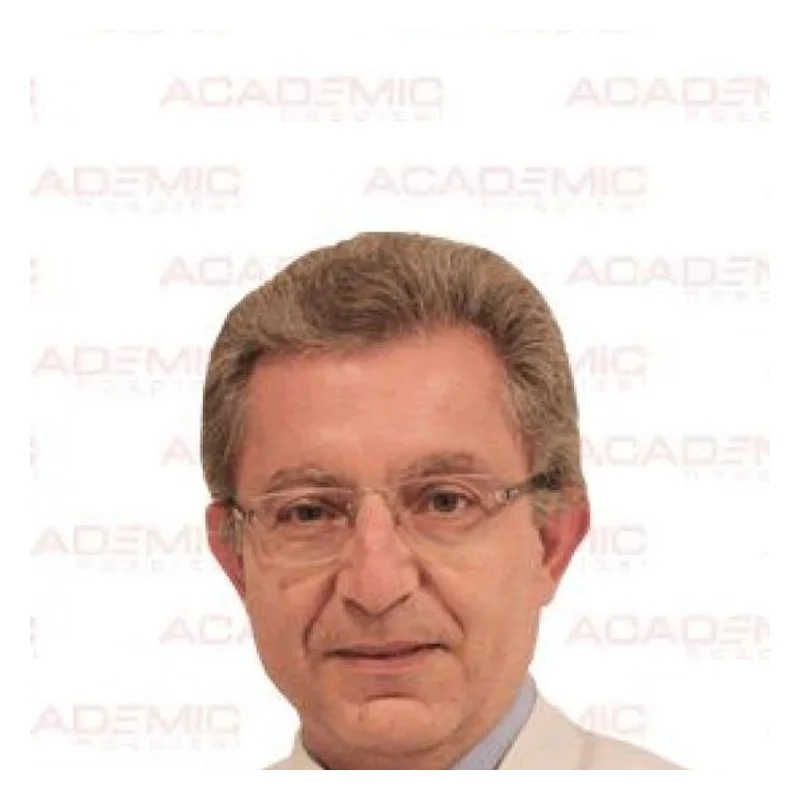
Prof. Dr. Ali Serdar Fak
Cardiac SurgeryVerified
- 29+years exp.
English · Turkish
FromPrice on request
Free quote
60 seconds · no obligationView Profile
A post-myocardial infarction complication refers to secondary medical issues that arise following a heart attack, such as arrhythmias, heart failure, or pericarditis. It affects individuals recovering from cardiac ischaemia. Patients seek urgent attention for renewed chest discomfort, shortness of breath, palpitations, unexplained fatigue, or dizziness. Appropriate clinical treatment options depend on an immediate specialist assessment. Compare hospitals in Turkey that treat Post Myocardial Infarction Complication and get a free review of your medical records.

2 doctors Compare doctors, ratings and prices — ask any of them for a free quote.
Cardiac SurgeryVerified
English · Turkish
60 seconds · no obligationView Profile
Cardiac SurgeryVerified
English · Turkish
60 seconds · no obligationView Profile
A post-myocardial infarction complication refers to secondary medical issues that arise following a heart attack, such as arrhythmias, heart failure, or pericarditis. It affects individuals recovering from cardiac ischaemia. Patients seek urgent attention for renewed chest discomfort, shortness of breath, palpitations, unexplained fatigue, or dizziness. Appropriate clinical treatment options depend on an immediate specialist assessment.
Specialty: Cardiac Surgery
The cost of treating Post Myocardial Infarction Complication depends on the diagnosis and the treatment chosen. Doctors first review your medical records — free of charge — and you then receive an itemised quote.
Post Myocardial Infarction Complication is treated by Cardiac Surgery specialists. 2 clinics in Turkey on our platform offer this treatment.
A post-myocardial infarction complication refers to a range of serious cardiovascular secondary conditions that develop following a heart attack (myocardial infarction). When blood supply to the heart muscle is severely restricted, damaged tissue may lead to structural, electrical, or inflammatory issues. These complications can arise within hours, days, or months after the initial cardiac event.
Patients experiencing a post-myocardial infarction complication may notice a resurgence of cardiac symptoms. Common indicators include renewed chest discomfort, sudden shortness of breath, heart palpitations, profound fatigue, and unexplained dizziness. Structural complications can include ventricular septal defects, papillary muscle rupture leading to acute mitral regurgitation, or left ventricular aneurysms. Electrical disturbances often present as complex ventricular arrhythmias, while pericarditis involves inflammation of the sac surrounding the heart. Immediate specialist assessment within Cardiac Surgery and cardiology departments is essential to prevent severe heart failure or hemodynamically unstable events.
When evaluated at a hospital in Turkey, international patients undergo a rigorous diagnostic workup to precisely map structural and functional damage. Turkish cardiac centers typically utilize high-resolution transthoracic or transoesophageal echocardiography to visualize heart valve integrity, wall motion abnormalities, and ejection fraction. Electrocardiograms (ECG) and continuous Holter monitoring identify underlying rhythm disturbances, while advanced cardiac MRI or multi-slice CT angiography provides detailed views of myocardial scarring and coronary anatomy.
Prior to travelling, patients must gather and present comprehensive medical records from their primary care team or local hospital. Crucial documents include:
Managing these complications requires individualized care tailored to the exact mechanism of tissue damage or arrhythmia. Interventions range from intensive pharmacological management to urgent structural cardiac surgery.
| Option | Typically Used When | Things to Know |
|---|---|---|
| Pharmacological Therapy | Managing mild heart failure, post-MI pericarditis, or stable electrical irritability. | Involves ACE inhibitors, beta-blockers, antiarrhythmics, or anti-inflammatory drugs; requires strict compliance. |
| Surgical Ventricular Repair | Left ventricular aneurysm or mechanical tissue rupture occurs post-MI. | Requires open heart surgery to restore normal ventricular geometry and improve pump function. |
| Valve Repair or Replacement | Papillary muscle rupture causes severe acute mitral valve regurgitation. | Surgical intervention corrects severe backward blood flow, mitigating rapid acute heart failure. |
| Device Implantation (ICD / Pacemaker) | Persistent, life-threatening ventricular arrhythmias or severe heart block are present. | Implanted devices continuously monitor rhythm and deliver immediate corrective shocks or pacing. |
Decisions regarding surgical repair, electrophysiology interventions, or continued medical therapy are made exclusively by the treating surgeon and cardiologist after evaluating objective diagnostic tests.
Traveling abroad for complex cardiac interventions requires meticulous coordination. The process begins with a detailed remote records review, where Turkish medical specialists review imaging and reports to assess whether travel is feasible. Patients traveling for Cardiac Surgery or structural repairs should plan an extended stay, often between two to four weeks. This timeframe accounts for pre-operative stabilization, the hospital stay, and critical early recovery.
Before returning home, patients undergo exit echocardiograms and blood tests to verify clinical stability. Coordination with your local cardiologist or general practitioner is essential prior to departure to ensure seamless long-term monitoring, cardiac Rehabilitation, and routine medication adjustments in your home country.
Traveling long distances, particularly by air, poses substantial risk to individuals with unstable cardiac conditions. Medical travel is strictly not advisable for patients experiencing unstable angina, uncompensated heart failure, severe dyspnoea at rest, or malignant, uncontrolled arrhythmias. Changes in cabin pressure and prolonged immobility during flights can exacerbate fluid retention and oxygen deprivation in compromised cardiac tissue.
Patients must seek immediate emergency medical care locally if any of the following warning signs occur:
For patients requiring additional non-cardiac interventions, such as General Surgery or Pulmonology & Thoracic Surgery consultations, all co-existing heart conditions must be fully stabilized before proceeding.
It is a secondary health issue developing after a heart attack, such as irregular heart rhythms, structural heart damage, heart failure, or inflammation of the heart lining. These complications result from muscle damage or scarring caused by restricted blood flow during the initial cardiac event.
Physicians use high-resolution echocardiography, cardiac MRI, multi-slice CT scans, continuous ECG monitoring, and blood work. They thoroughly review your previous medical history and coronary angiograms to determine the exact mechanical or electrical issues before formulating a treatment strategy.
Air travel is unsafe if you have unstable chest pain, acute heart failure, or unmanaged arrhythmias. Flight clearance depends on cardiac stability, ejection fraction, and explicit approval from your cardiologist after reviewing recent diagnostic tests.
Most patients need to plan for a stay lasting two to four weeks. This allows time for pre-procedure evaluations, hospital admission for surgery or intervention, inpatient recovery, and follow-up safety checks prior to flying home.
You should gather your original heart attack discharge summaries, recent electrocardiograms, coronary angiography files, cardiac ultrasound reports, current medication details, and recent blood test results. Providing complete records helps specialists evaluate your condition accurately.
Your request is in!
Your coordinator will contact you — usually within 2 hours, 24/7.
Want a faster, more accurate assessment?
Add photos & medical detailsLeave your number — a coordinator calls you in your language, usually within 15 minutes during office hours.
Thank you!
A coordinator will contact you at the time you chose.