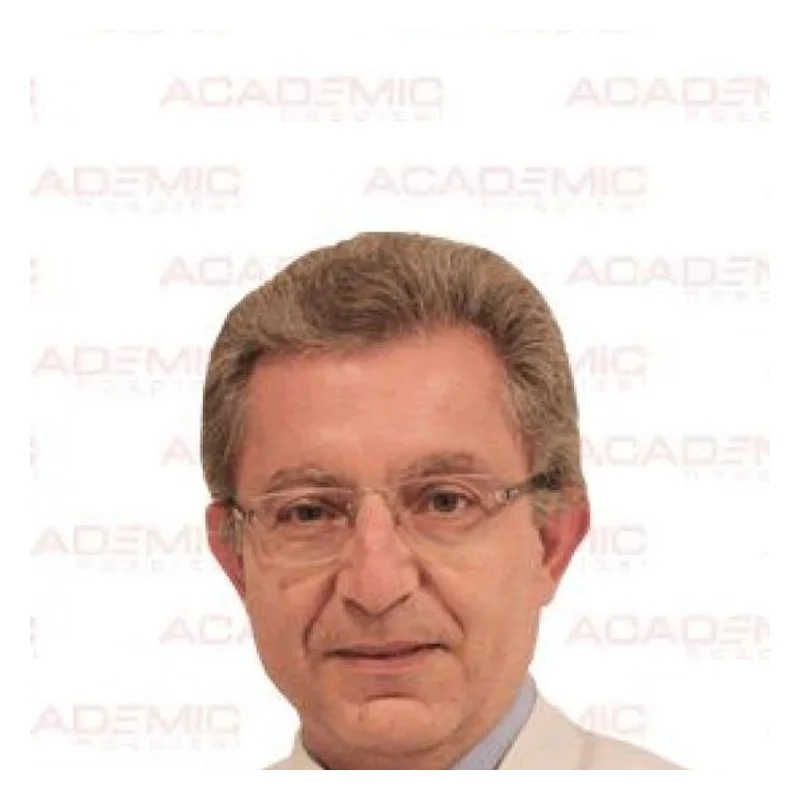
Prof. Dr. Ali Serdar Fak
Cardiac SurgeryVerified
- 29+years exp.
English · Turkish
FromPrice on request
Free quote
60 seconds · no obligationView Profile
Endarteritis obliterans is a progressive vascular condition where severe inflammation of the arterial inner lining leads to lumen occlusion and restricted tissue perfusion. Patients generally consult a physician after suffering from severe leg cramping during movement, cold extremities, non-healing ulcers, or resting limb discomfort. Targeted vascular and surgical treatment options depend on an in-depth specialist assessment. Compare hospitals in Turkey that treat Endarteritis Obliterans and get a free review of your medical records.

2 doctors Compare doctors, ratings and prices — ask any of them for a free quote.
Cardiac SurgeryVerified
English · Turkish
60 seconds · no obligationView Profile
Cardiac SurgeryVerified
English · Turkish
60 seconds · no obligationView Profile
Endarteritis obliterans is a progressive vascular condition where severe inflammation of the arterial inner lining leads to lumen occlusion and restricted tissue perfusion. Patients generally consult a physician after suffering from severe leg cramping during movement, cold extremities, non-healing ulcers, or resting limb discomfort. Targeted vascular and surgical treatment options depend on an in-depth specialist assessment.
Specialty: Cardiac Surgery
The cost of treating Endarteritis Obliterans depends on the diagnosis and the treatment chosen. Doctors first review your medical records — free of charge — and you then receive an itemised quote.
Endarteritis Obliterans is treated by Cardiac Surgery specialists. 2 clinics in Turkey on our platform offer this treatment.
Endarteritis obliterans is a chronic, progressive vascular disease characterized by severe inflammation of the innermost layer of the arteries (the intima). Over time, this inflammatory response causes thickening and scarring within the vessel wall, leading to lumen occlusion—a physical narrowing or complete blockage of the artery. As blood flow drops, affected tissues suffer from poor perfusion and oxygen deprivation (ischaemia). It primarily impacts small- to medium-sized arteries, most frequently in the lower extremities, though it can affect other vascular beds.
Patients usually notice symptoms gradually as the arterial lumen narrows. Early signs often include intermittent claudication, which manifests as painful leg cramping, tightness, or aching in the calves or feet during walking that subsides with rest. As the condition advances, reduced circulation leads to persistent coldness in the feet or hands, skin colour changes (such as paleness or a bluish hue), reduced hair growth on the legs, and brittle nails. In severe stages, patients experience rest pain—burning discomfort in the toes or feet while lying flat—and may develop slow-healing or non-healing ischaemic ulcers that carry a risk of localized tissue necrosis (gangrene).
Accurate diagnosis is essential to differentiate endarteritis obliterans from classical atherosclerosis or thromboangiitis obliterans (Buerger's disease). When traveling for specialist evaluation, international clinical teams perform a structured series of non-invasive and invasive vascular assessments to determine the exact site and extent of arterial narrowing.
Standard diagnostic protocols for international patients typically include:
Patients preparing for medical travel should compile comprehensive home medical records. Essential documents include recent vascular ultrasound reports, prior angiograms or cross-sectional scans (on DICOM disc or digital download), recent blood panel results (including inflammatory markers like ESR and CRP), renal function tests, and a complete list of current medications.
Management of endarteritis obliterans aims to improve distal blood flow, alleviate ischaemic pain, prevent ulceration, and reduce the risk of tissue loss. Care is tailored to the stage of arterial occlusion and the overall health of the patient. Interventions range from conservative medical management to endovascular procedures and open vascular reconstructions within Cardiac Surgery and vascular departments.
| Option | Typically used when | Things to know |
|---|---|---|
| Medical & Lifestyle Management | Early-stage disease, mild claudication, or as background therapy. | Involves antiplatelet agents, vasoactive medications, strict smoking cessation, and supervised exercise therapy. |
| Endovascular Angioplasty / Stenting | Localized, focal arterial segment narrowing accessible via catheter. | Minimally invasive approach using balloons or micro-stents to open clogged lumens; shorter initial recovery time. |
| Surgical Bypass Grafting | Long-segment occlusions or failed endovascular interventions. | Uses a patient's own vein or a synthetic graft to reroute blood around blocked arterial sections. |
| Surgical Sympathectomy | Refractory rest pain or vasospastic tissue ischaemia unsuitable for bypass. | Disrupts sympathetic nerve signals to promote microvascular vasodilation and improve cutaneous blood flow. |
Depending on systemic vascular involvement, patients may also consult specialists in General Surgery for wound care management, or Endocrinology if underlying metabolic factors or diabetes complicate arterial health. Comprehensive health assessments via Check-ups & Diagnostics help evaluate overall cardiovascular risk prior to major surgical interventions.
Arranging medical care abroad for a progressive vascular condition requires careful preparation. The process typically begins with a remote records review, where Turkish vascular surgeons evaluate prior diagnostic scans to confirm whether surgical or endovascular intervention is suitable before travel takes place.
Patients should plan for an overall stay ranging from 7 to 14 days, depending on the chosen procedure. Endovascular balloon angioplasty generally requires 1 to 2 days of hospitalization followed by several days of local outpatient monitoring. Open arterial bypass surgery necessitates 3 to 5 days of inpatient hospital care, followed by an additional week of local recovery to ensure wound healing and graft patency. Prior to returning home, patients undergo follow-up duplex ultrasound scanning. Local teams provide a detailed discharge summary and outline a home follow-up schedule, coordinating care with the patient's domestic physician or cardiologist.
Long-distance travel presents specific risks for individuals with advanced peripheral arterial disease. Extended sitting during flights or long car journeys can promote venous stasis and increase systemic stress. Patients with active, unmanaged rest pain or unstable foot ulcers should postpone travel until fully evaluated and stabilized by a vascular specialist.
Immediate local medical attention is required if any of the following warning signs occur:
Endarteritis obliterans is driven by chronic, severe inflammation of the arterial inner lining (intima). This leads to progressive fibrous tissue proliferation, vessel wall thickening, and ultimate occlusion of the arterial lumen. While its exact triggers vary, chronic inflammatory responses, autoimmune factors, and heavy tobacco use strongly contribute to disease onset and progression.
While both conditions restrict peripheral blood flow, standard peripheral artery disease is primarily caused by systemic atherosclerotic lipid plaques. Endarteritis obliterans specifically involves predominant inflammatory scarring and proliferation within the inner lining of small to medium arteries, often occurring in younger individuals or non-atherosclerotic contexts.
The required stay depends on the intervention. Simple endovascular procedures usually require 5 to 7 days in Turkey, including inpatient stay and outpatient monitoring. Open surgical bypass or complex revascularization typically requires 10 to 14 days to ensure proper wound healing, graft patency, and safe clearance for travel.
Endarteritis obliterans is a chronic condition without a universal cure. However, surgical bypass, angioplasty, and targeted medical therapies can effectively restore blood flow, relieve severe ischaemic pain, promote ulcer healing, and preserve limb function. Long-term lifestyle modifications and medical monitoring are necessary to slow disease progression.
Flying immediately after vascular surgery carries risks of thrombosis and swelling. Patients are typically advised to avoid long-haul flights for at least 7 to 14 days post-procedure, or until cleared by their treating surgeon after a satisfactory follow-up ultrasound scan and clinical examination.
Your request is in!
Your coordinator will contact you — usually within 2 hours, 24/7.
Want a faster, more accurate assessment?
Add photos & medical detailsLeave your number — a coordinator calls you in your language, usually within 15 minutes during office hours.
Thank you!
A coordinator will contact you at the time you chose.