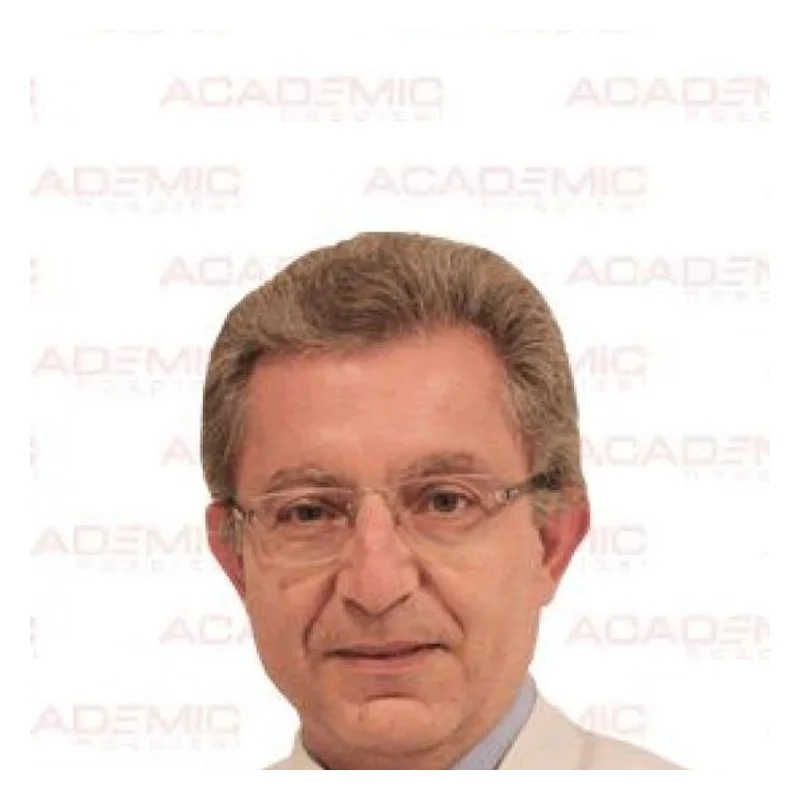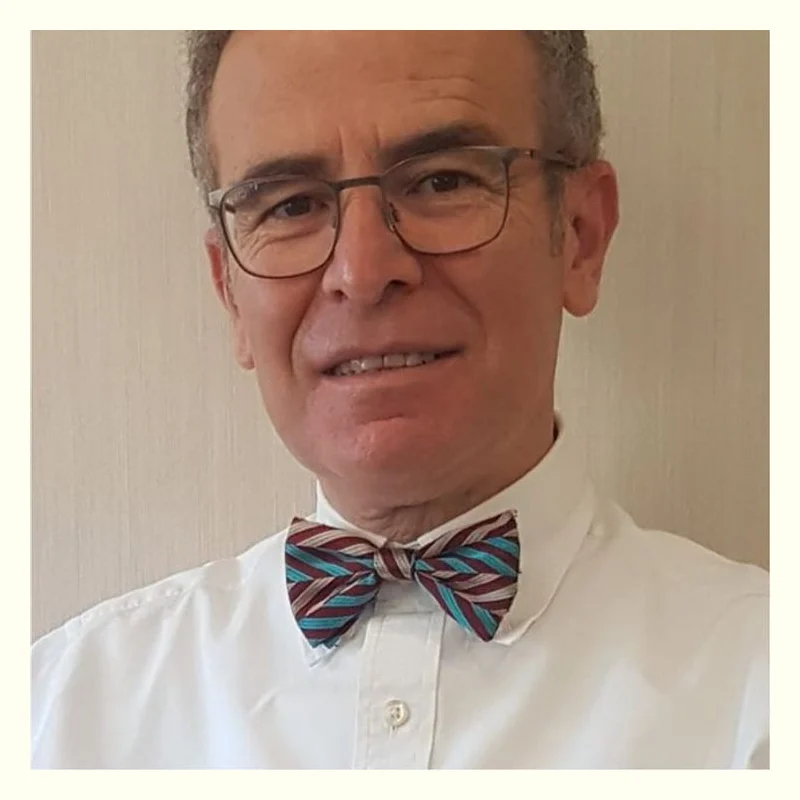
Prof. Dr. Ali Serdar Fak
Cardiac SurgeryVerified
- 29+years exp.
English · Turkish
FromPrice on request
Free quote
60 seconds · no obligationView Profile
Varicosity involves enlarged, twisted veins that most often develop in the legs due to weakened vein valves. Individuals typically seek medical consultation for visible bulging veins, aching discomfort, heaviness in the legs, or swelling around the ankles. Possible intervention and treatment options depend on a specialist assessment, including vascular ultrasound evaluation. Compare hospitals in Turkey that treat Varicosity and get a free review of your medical records.

2 doctors Compare doctors, ratings and prices — ask any of them for a free quote.
Cardiac SurgeryVerified
English · Turkish
60 seconds · no obligationView Profile
Cardiac SurgeryVerified
English · Turkish
60 seconds · no obligationView Profile
Varicosity involves enlarged, twisted veins that most often develop in the legs due to weakened vein valves. Individuals typically seek medical consultation for visible bulging veins, aching discomfort, heaviness in the legs, or swelling around the ankles. Possible intervention and treatment options depend on a specialist assessment, including vascular ultrasound evaluation.
Specialty: Cardiac Surgery
The cost of treating Varicosity depends on the diagnosis and the treatment chosen. Doctors first review your medical records — free of charge — and you then receive an itemised quote.
Varicosity is treated by Cardiac Surgery specialists. 2 clinics in Turkey on our platform offer this treatment.
Varicosity, commonly referred to as varicose veins, is a vascular condition where veins become abnormally enlarged, dilated, and twisted. While this can affect various body parts, it most frequently develops in the superficial veins of the legs. This occurs because standing and walking upright increase the pressure in the lower body's venous network. Normally, tiny one-way valves inside the veins open to let blood flow toward the heart and close to prevent it from flowing backward. When these valves weaken or fail, blood pools in the veins, causing them to swell and stretch.
Patients experiencing varicosity often present with visible, dark blue or purple bulging veins beneath the skin. Beyond cosmetic concerns, the condition frequently causes physical discomfort, including:
Accurate diagnosis is essential to identify underlying venous insufficiency before planning any corrective procedure. Patients seeking evaluation for Cardiac Surgery and vascular consultations undergo a thorough clinical examination. A specialist evaluates the legs while the patient is both standing and sitting to assess vein distension and skin integrity.
The primary diagnostic tool for varicosity is a duplex ultrasound scanning scan. This non-invasive test uses high-frequency sound waves to visualize vein structure, evaluate valve function, and detect reverse blood flow (reflux). It also helps rule out deep vein thrombosis (DVT). Patients travelling for care should bring recent vascular imaging results, previous surgical reports, a current medication list, and relevant medical history from their home country.
Treatment choice depends on symptom severity, vein size, anatomical location, and overall health status. A comprehensive evaluation by a vascular specialist determines whether conservative management or intervention is recommended.
| Option | Typically Used When | Things to Know |
|---|---|---|
| Compression Therapy | Mild symptoms, early-stage valve weakness, or post-procedure recovery. | Requires wearing medical-grade compression stockings daily; manages symptoms but does not remove existing enlarged veins. |
| Endovenous Thermal Ablation | Moderate to severe symptomatic reflux in main superficial leg veins. | Uses radiofrequency or laser energy applied inside the vein under local anaesthesia to seal the affected vessel. |
| Sclerotherapy | Smaller varicose veins, spider veins, or residual branch veins. | Involves injecting a chemical solution directly into the vein, causing it to collapse and gradually fade over several weeks. |
| Phlebectomy / Surgical Stripping | Large, highly convoluted surface veins unsuitable for endovenous techniques. | Performed via micro-incisions to extract affected vein segments; used when minimally invasive methods are insufficient. |
Depending on skin health and related medical needs, patients may also consult specialists in Dermatology for superficial skin changes or undergo routine diagnostic workups within Check-ups & Diagnostics or General Surgery departments.
Planning treatment for varicosity requires careful timing, particularly regarding air travel. Vascular procedures often require an initial consultation, diagnostic ultrasound confirmation, the procedure itself, and a follow-up assessment within a 5-to-10-day period.
Air travel shortly after venous interventions can elevate the risk of deep vein thrombosis due to prolonged immobility and cabin pressure changes. Treating physicians generally advise remaining in the destination country for a minimum period after thermal ablation or surgical extraction. Before returning home, international patients should receive written documentation detailing the procedure, post-treatment ultrasound findings, guidelines on compression stocking use, and instructions for local follow-up care.
Not every individual with varicosity is an immediate candidate for travel or elective intervention. Patients with active deep vein thrombosis, severe arterial disease in the lower limbs, active leg ulcers with localized infection, or severe mobility limitations should delay travel until cleared by a qualified specialist.
Urgent medical attention is necessary if you experience any of the following warning signs before or after treatment:
Varicose veins develop when the small one-way valves inside leg veins become weak or damaged. Instead of pumping blood back to the heart, these compromised valves allow blood to flow backward and pool in the lower leg veins, causing them to swell, twist, and become visible beneath the skin.
Flying immediately after vein procedures is generally discouraged because prolonged immobility increases the risk of deep vein thrombosis (DVT). Most vascular specialists recommend waiting several days to a week after treatment before taking long flights, alongside wearing prescribed compression garments and staying hydrated.
While treated veins are permanently closed or removed, new varicose veins can develop over time. Underlying venous insufficiency is often an ongoing condition, and other leg veins may undergo valve breakdown in the future. Regular physical activity and weight management can help reduce recurrence risks.
Spider veins are small, fine red or blue capillary lines near the skin surface that usually cause no physical discomfort. Varicose veins are larger, deeper, twisted, and raised veins that often cause physical symptoms like leg aching, heaviness, throbbing, and lower leg swelling.
Yes, wearing medical-grade compression stockings is standard post-procedure care following sclerotherapy, thermal ablation, or phlebectomy. Compression aids healing, reduces swelling and bruising, and supports blood circulation as deep veins adapt to carrying the redirected blood flow.
Your request is in!
Your coordinator will contact you — usually within 2 hours, 24/7.
Want a faster, more accurate assessment?
Add photos & medical detailsLeave your number — a coordinator calls you in your language, usually within 15 minutes during office hours.
Thank you!
A coordinator will contact you at the time you chose.