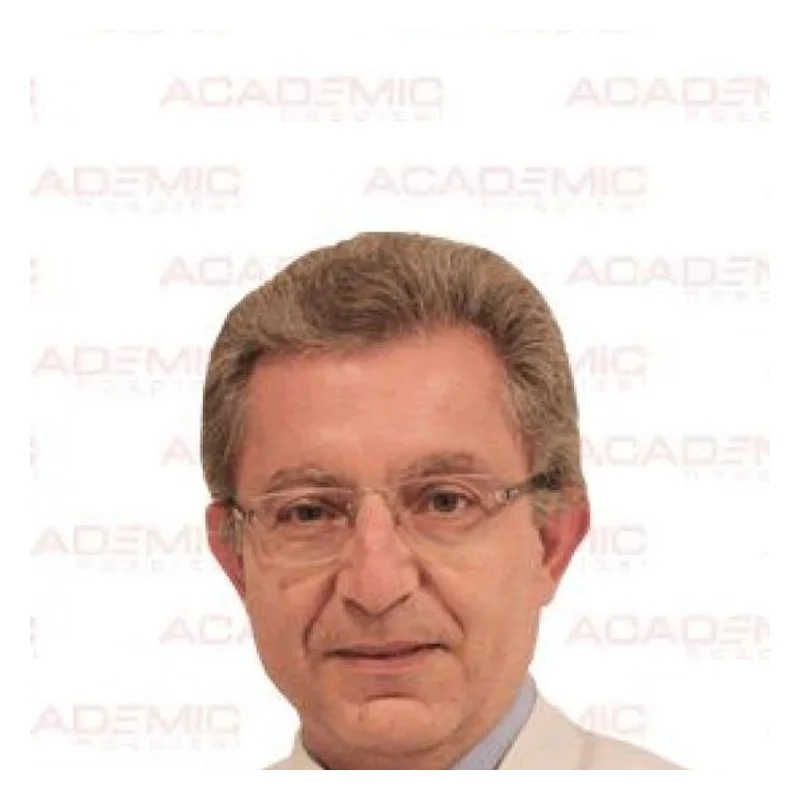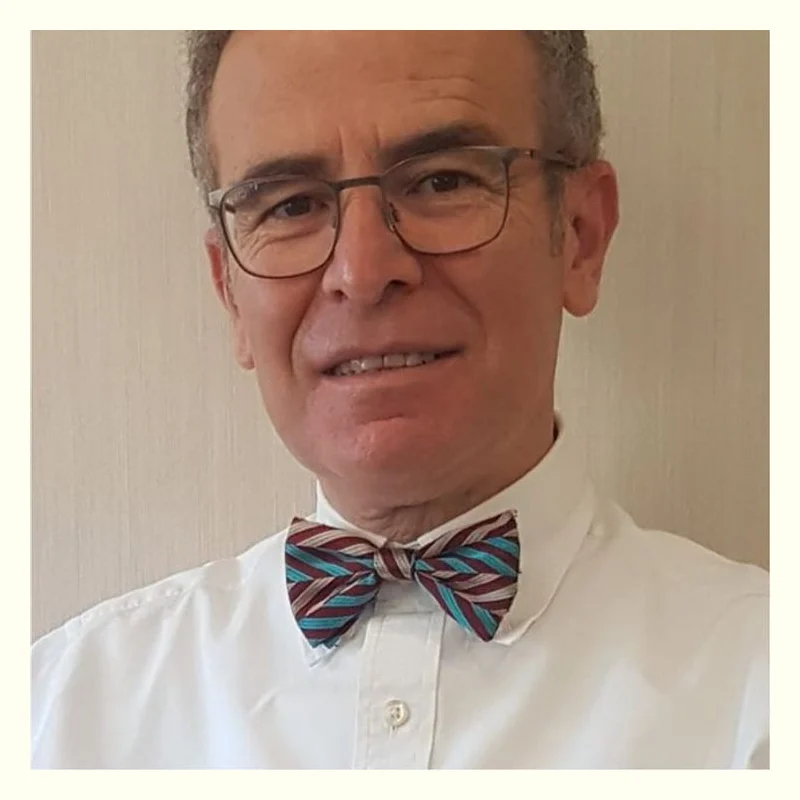
Prof. Dr. Ali Serdar Fak
Cardiac SurgeryVerified
- 29+years exp.
English · Turkish
FromPrice on request
Free quote
60 seconds · no obligationView Profile
Atherosclerosis is a progressive vascular condition where fatty deposits, cholesterol, and other substances accumulate inside the arterial walls. Patients frequently consult a doctor after developing chest tightness, leg discomfort, or shortness of breath during physical exertion. For individuals investigating medical travel, appropriate treatment options depend on a detailed specialist assessment and diagnostic arterial imaging. Compare hospitals in Turkey that treat Atherosclerosis and get a free review of your medical records.

2 doctors Compare doctors, ratings and prices — ask any of them for a free quote.
Cardiac SurgeryVerified
English · Turkish
60 seconds · no obligationView Profile
Cardiac SurgeryVerified
English · Turkish
60 seconds · no obligationView Profile
Atherosclerosis is a progressive vascular condition where fatty deposits, cholesterol, and other substances accumulate inside the arterial walls. Patients frequently consult a doctor after developing chest tightness, leg discomfort, or shortness of breath during physical exertion. For individuals investigating medical travel, appropriate treatment options depend on a detailed specialist assessment and diagnostic arterial imaging.
Specialty: Cardiac Surgery
The cost of treating Atherosclerosis depends on the diagnosis and the treatment chosen. Doctors first review your medical records — free of charge — and you then receive an itemised quote.
Atherosclerosis is treated by Cardiac Surgery specialists. 2 clinics in Turkey on our platform offer this treatment.
Atherosclerosis is a progressive vascular condition where fibrofatty plaques build up inside arterial walls. Over decades, cholesterol, cellular waste, calcium, and fibrin accumulate, stiffening and narrowing the arterial lumen. This restricted calibre limits oxygen-rich blood delivery to vital tissues. Plaque rupture can trigger sudden clot formation, resulting in acute arterial occlusion.
Early atherosclerosis typically develops without symptoms. Noticeable complaints emerge once blood flow becomes significantly compromised, depending on the affected vascular territory:
Accurate diagnosis requires clinical evaluation and vascular imaging to confirm plaque distribution and functional impact. International patients in Turkey often undergo comprehensive check-ups and diagnostics to assess arterial health and metabolic risk factors.
Standard diagnostic investigations include:
Patients should bring previous angiogram files (DICOM format), recent echocardiograms, ECGs, blood results, and a comprehensive list of current medications.
Management aims to stabilise existing plaques, relieve ischaemic symptoms, and reduce future cardiovascular risks. Treatment selection depends on lesion anatomy, symptom severity, and overall procedural risk, as determined by the attending physician.
Approaches range from medical management to interventions within cardiac surgery and vascular specialties:
| Option | Typically used when | Things to know |
|---|---|---|
| Medical therapy | Stable, early to moderate plaque without critical tissue ischaemia. | Involves statins, antiplatelet medications, and blood pressure regulation; requires continuous lifestyle modification. |
| Angioplasty and stenting | Focal arterial narrowing causing persistent symptoms despite pharmacotherapy. | Minimally invasive catheter technique using a balloon and stent; requires dual antiplatelet therapy post-procedure. |
| Coronary artery bypass grafting (CABG) | Complex multivessel coronary artery disease or left main stem narrowing. | Surgical bypass redirecting blood flow around blocked coronary segments using healthy vessels; performed under general anaesthesia. |
| Endarterectomy | Severe carotid artery stenosis or accessible peripheral artery obstruction. | Direct surgical excision of inner plaque material to clear the vessel channel; requires close neurological and wound monitoring. |
Organising medical travel for arterial procedures requires structured preparation. Remote document reviews occur before booking flights. Specialist clinical teams examine your medical history, imaging discs, and cardiology reports to evaluate preliminary eligibility and estimate the length of care needed.
Upon arrival, confirmatory assessments generally take one to two days. For catheter interventions such as angioplasty, hospital stays typically range from one to two days, followed by four to six days in Turkey to check femoral or radial access sites. Major operations, such as bypass surgery, generally require five to seven days in hospital and an additional seven to ten days in outpatient accommodation before commercial flight clearance.
Post-procedure cardiovascular rehabilitation helps patients build physical stamina safely under medical supervision. Before departure, hospitals provide detailed discharge notes, surgical documentation, and updated drug prescriptions for your local physician to maintain continuity of care.
Air travel involves lower cabin humidity, mild hypoxia, and reduced mobility, which can increase vascular stress and thrombosis risk. Travel is unsuitable for unstable cardiovascular conditions that demand immediate intervention.
Travel is not advisable if you have:
If you experience acute, crushing chest pain, breathlessness, sudden speech difficulties, or limb weakness, do not arrange travel. Seek emergency medical care locally without delay.
Atherosclerosis cannot be completely reversed once dense fibrous plaques and calcification have formed. However, targeted medical therapy—especially high-intensity statins—alongside smoking cessation, blood pressure control, and dietary changes can stabilise plaques, prevent further luminal narrowing, and reduce lipid core volume. This substantially lowers the risk of plaque rupture, heart attacks, and strokes over the long term.
Most patients who undergo an uncomplicated angioplasty and stenting procedure can safely fly home within three to seven days, depending on individual recovery and the puncture access site (radial or femoral). Your treating cardiologist will examine the access site, check hemodynamic stability, and perform an ultrasound or ECG if needed before providing formal medical clearance for commercial flight.
You should provide recent cardiovascular imaging reports and discs (such as coronary CTA or catheter angiograms in DICOM format), carotid duplex ultrasound scans, resting and stress ECGs, echocardiography reports, and routine blood test results. A detailed summary from your domestic cardiologist and an up-to-date prescription list are also essential to help the clinical team determine preliminary suitability before you travel.
The decision depends on the number, location, and structural complexity of arterial narrowings, as well as ventricular function and comorbidities like diabetes. Single or focal arterial blockages are commonly treated with percutaneous catheter stenting. In contrast, complex multivessel disease, left main coronary narrowing, or extensive calcification often yield more durable long-term outcomes with surgical bypass grafting, as determined by a multidisciplinary heart team.
After returning home, you must consult your domestic doctor or cardiologist within two to four weeks. They will review your Turkish hospital discharge summary, verify antiplatelet and cholesterol-lowering medication regimens, check incision or puncture healing, and monitor kidney function and liver enzymes. Ongoing surveillance through periodic exercise tests or vascular ultrasound ensures your stents or bypass grafts remain open and functioning well.
Your request is in!
Your coordinator will contact you — usually within 2 hours, 24/7.
Want a faster, more accurate assessment?
Add photos & medical detailsLeave your number — a coordinator calls you in your language, usually within 15 minutes during office hours.
Thank you!
A coordinator will contact you at the time you chose.