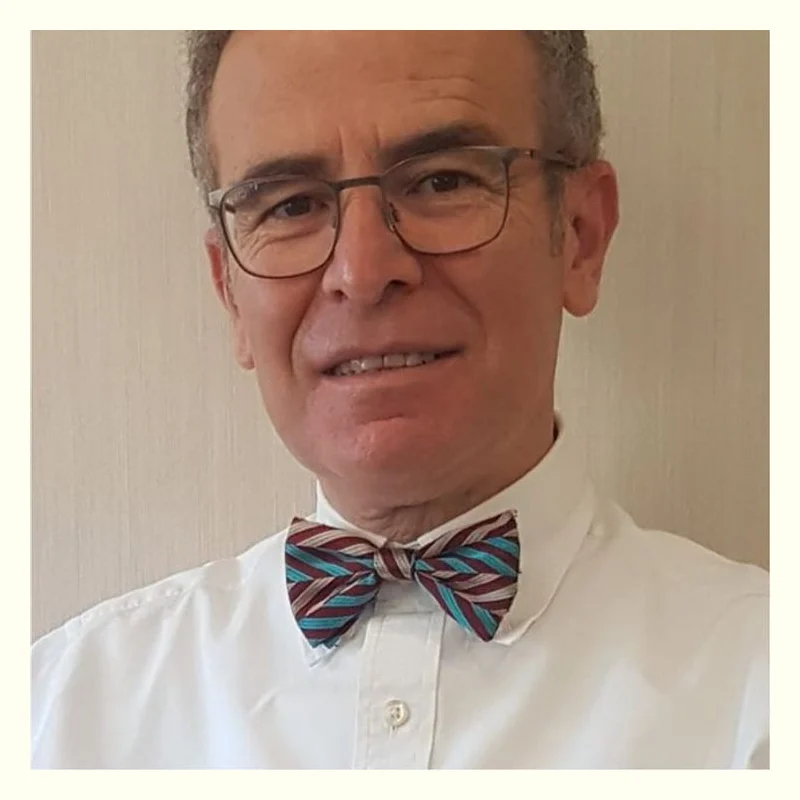
Prof. Dr. Ali Serdar Fak
Cardiac SurgeryVerified
- 29+years exp.
English · Turkish
FromPrice on request
Free quote
60 seconds · no obligationView Profile
Atrial fibrillation is a common heart rhythm disorder where the upper heart chambers beat irregularly and often unusually fast. Individuals typically present to a clinician with palpitations, chest discomfort, fatigue, or breathlessness. For those evaluating clinical services abroad, appropriate treatment options depend on an individualised specialist assessment, including electrocardiograms and general cardiovascular evaluations. Compare hospitals in Turkey that treat Atrial Fibrillation and get a free review of your medical records.

2 doctors Compare doctors, ratings and prices — ask any of them for a free quote.
Cardiac SurgeryVerified
English · Turkish
60 seconds · no obligationView Profile
Cardiac SurgeryVerified
English · Turkish
60 seconds · no obligationView Profile
Atrial fibrillation is a common heart rhythm disorder where the upper heart chambers beat irregularly and often unusually fast. Individuals typically present to a clinician with palpitations, chest discomfort, fatigue, or breathlessness. For those evaluating clinical services abroad, appropriate treatment options depend on an individualised specialist assessment, including electrocardiograms and general cardiovascular evaluations.
Specialty: Cardiac Surgery
The cost of treating Atrial Fibrillation depends on the diagnosis and the treatment chosen. Doctors first review your medical records — free of charge — and you then receive an itemised quote.
Atrial Fibrillation is treated by Cardiac Surgery specialists. 2 clinics in Turkey on our platform offer this treatment.
Atrial fibrillation is a cardiac rhythm disorder characterised by erratic electrical impulses in the upper chambers of the heart, known as the atria. Instead of contracting smoothly, the atria quiver. This irregular action impairs the heart's ability to pump blood effectively into the ventricles, resulting in an irregular and often rapid pulse. When blood pools within the left atrial appendage, it creates a substantial risk of blood clot formation and embolic stroke.
Symptoms vary significantly between individuals. While some remain asymptomatic, many experience disruptive episodes. Common clinical signs include:
Episodes are classified as paroxysmal (ending spontaneously within seven days), persistent (lasting beyond seven days and needing intervention), or permanent (where sinus rhythm cannot be restored).
Accurate diagnostic testing clarifies the pattern of the arrhythmia, evaluates structural cardiac health, and guides therapy. Hospitals in Turkey utilise specialised cardiovascular tests to determine procedural suitability.
Standard diagnostic investigations include:
Patients travelling for check-ups and diagnostics should bring previous ECG tracings, Holter reports, echocardiograms, hospital summaries, and a comprehensive list of current medications.
Management focuses on stroke prevention, ventricular rate control, and rhythm restoration. Treatment choices are determined by the treating cardiologist following diagnostic review.
| Option | Typically used when | Things to know |
|---|---|---|
| Rate Control Medication | Persistent arrhythmia is present or rhythm restoration is unsuitable. | Slows rapid ventricular response using medications; does not convert the rhythm to normal. |
| Electrical Cardioversion | Persistent episodes require prompt restoration of normal rhythm. | Delivers a synchronised electrical shock under sedation; requires prior anticoagulation. |
| Catheter Ablation | Medications are ineffective, cause unacceptable side effects, or rhythm control is preferred early. | Minimally invasive catheter procedure isolating pulmonary veins; repeat treatment may be needed. |
| Surgical Treatment | Catheter approaches fail or concurrent valve or bypass operations are planned. | Performed by cardiac surgery teams; includes Maze procedures and left atrial appendage closure. |
Anticoagulant medication is routinely evaluated using validated risk scores to protect against thromboembolic stroke, regardless of which rhythm strategy is selected.
Arranging cardiac care abroad requires careful pre-travel planning. The process begins with a remote assessment, where electrophysiologists evaluate uploaded ECG records and medical histories to assess suitability for intervention.
A typical itinerary involves arriving one or two days before the scheduled procedure for in-person consultations and repeat baseline tests. Following catheter ablation, patients generally spend one to two nights in the hospital under cardiac monitoring. Specialists recommend remaining in Turkey for an additional four to six days after hospital discharge. This period permits doctors to monitor groin access sites and confirm rhythm stability before travel.
Upon discharge, patients receive comprehensive medical reports and medication instructions for their home physicians. Long-term recovery may be supported by structured rehabilitation to rebuild cardiovascular endurance safely. Patients with concurrent sleep apnoea or lung conditions can also consult pulmonology and thoracic surgery services, as untreated respiratory issues frequently provoke recurrent rhythm disturbances.
International travel for medical care is contraindicated during acute instability. You should not travel if you have resting heart rates exceeding 150 beats per minute, active chest pain, decompensated heart failure, or recent unexplained fainting. Anyone who has had a recent stroke or transient ischaemic attack must delay travel until cleared by a physician.
Seek urgent emergency care locally if you develop any of the following symptoms:
Decisions regarding travel fitness and procedural suitability are made solely by your treating medical specialist after reviewing your diagnostic findings.
Catheter ablation is designed to isolate the pulmonary veins and suppress abnormal electrical impulses, but it does not carry a promise of a permanent cure. Many patients experience substantial rhythm control and a marked reduction in episodes. However, recurrence remains possible over time, and some individuals may still require maintenance medications or a subsequent touch-up procedure depending on individual heart structure and disease progression.
Most patients stay in the hospital for one or two nights following catheter ablation for close telemetry monitoring and puncture site observation. Clinicians generally advise staying in the country for an additional four to six days before flying home. This allows your cardiology team to perform follow-up electrocardiograms, inspect groin access sites, and ensure rhythm stability before your international journey.
Travelling by air is generally safe for patients with stable, well-managed atrial fibrillation whose heart rates are under clinical control. However, you should avoid flying if you experience resting chest tightness, severe breathlessness, fainting spells, or highly elevated heart rates. It is crucial to consult your cardiologist before booking flights, stay well hydrated, and maintain your regular anticoagulant schedule during travel.
When the atria fibrillate, blood can pool in the left atrial appendage, raising the chance of blood clot formation. Restoring a normal rhythm or performing catheter procedures carries a risk of dislodging these clots into the bloodstream. Anticoagulants prevent clot formation, protecting against stroke. Your treating doctor will determine how many weeks of anticoagulation you need before and after the intervention.
You should provide recent twelve-lead electrocardiogram strips demonstrating your irregular rhythm, Holter monitor summaries, and recent echocardiogram reports. Additionally, send copies of recent blood test panels, a detailed list of all prescribed medications, and notes detailing previous cardioversion or ablation attempts. Having these records enables the specialist team to assess your case thoroughly and design an appropriate diagnostic and treatment schedule.
Your request is in!
Your coordinator will contact you — usually within 2 hours, 24/7.
Want a faster, more accurate assessment?
Add photos & medical detailsLeave your number — a coordinator calls you in your language, usually within 15 minutes during office hours.
Thank you!
A coordinator will contact you at the time you chose.