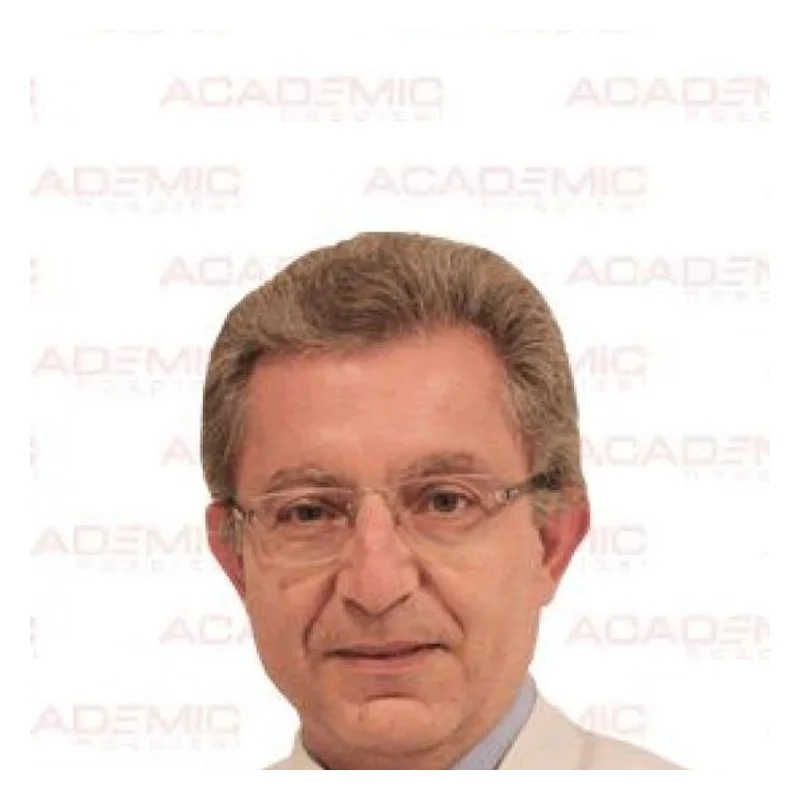
Prof. Dr. Ali Serdar Fak
Cardiac SurgeryVerified
- 29+years exp.
English · Turkish
FromPrice on request
Free quote
60 seconds · no obligationView Profile
Vasculopathy refers to any pathological condition affecting the blood vessels, altering arterial or venous structure and blood flow. Patients often present to clinicians with persistent limb pain, cold extremities, skin colour changes, numbness, swelling, or poor wound healing caused by circulatory compromise. Suitable medical and surgical treatment options depend on a careful specialist assessment. Compare hospitals in Turkey that treat Vasculopathy and get a free review of your medical records.

2 doctors Compare doctors, ratings and prices — ask any of them for a free quote.
Cardiac SurgeryVerified
English · Turkish
60 seconds · no obligationView Profile
Cardiac SurgeryVerified
English · Turkish
60 seconds · no obligationView Profile
Vasculopathy refers to any pathological condition affecting the blood vessels, altering arterial or venous structure and blood flow. Patients often present to clinicians with persistent limb pain, cold extremities, skin colour changes, numbness, swelling, or poor wound healing caused by circulatory compromise. Suitable medical and surgical treatment options depend on a careful specialist assessment.
Specialty: Cardiac Surgery
The cost of treating Vasculopathy depends on the diagnosis and the treatment chosen. Doctors first review your medical records — free of charge — and you then receive an itemised quote.
Vasculopathy is treated by Cardiac Surgery specialists. 2 clinics in Turkey on our platform offer this treatment.
Vasculopathy is an umbrella clinical term for disorders that alter the structure, tone, or elasticity of blood vessels. It encompasses conditions affecting arteries, veins, or capillaries, leading to narrowed lumens, arterial stiffness, structural wall weakness, or microvascular damage. When blood vessel walls thicken, inflame, or develop atherosclerotic plaques, tissue perfusion drops. This reduction in oxygenated blood flow can lead to ischemic tissue damage or chronic venous insufficiency.
Patients experiencing vasculopathy often present with persistent lower limb pain, particularly during physical activity (claudication) or while resting. Additional physical signs include chronically cold extremities, numbness or tingling, structural skin colour changes such as paleness or cyanosis, non-healing foot ulcers, and localized swelling. Because compromised circulation directly impairs skin integrity and repair mechanisms, even minor abrasions can turn into persistent open wounds.
Accurate assessment is necessary before any therapeutic intervention. Specialist hospital teams in Turkey perform comprehensive non-invasive and invasive vascular diagnostics to map the precise location and severity of vessel narrowing or damage. Standard diagnostic pathways include:
International patients preparing for diagnostic consultations should compile their full medical history. Essential records to bring include previous vascular ultrasound scans, recent laboratory results (particularly HbA1c, lipid panels, and kidney function tests), CT angiograms on DICOM-formatted discs, and a complete list of current prescription medications, especially blood thinners or antiplatelet agents.
Managing vasculopathy requires a tailored strategy based on the underlying etiology, vessel diameter, and patient risk factors. Medical management, endovascular procedures, and traditional open surgical interventions form the core treatment pillars. In specialized vascular and Cardiac Surgery departments, multidisciplinary teams determine the safest approach.
| Option | Typically Used When | Things to Know |
|---|---|---|
| Pharmacotherapy | Early-stage disease, mild claudication, or underlying microvascular damage. | Includes antiplatelet agents, statins, and vasoactive drugs. Requires strict lifestyle modifications. |
| Endovascular Angioplasty & Stenting | Focal arterial stenoses or short segmental blockages in medium-to-large vessels. | Minimally invasive approach via catheter insertion. Balloons expand narrowed vessels, followed by stent deployment. |
| Surgical Bypass | Long-segment arterial occlusions or failed endovascular interventions. | Redirects blood flow using a synthetic graft or harvested vein around the obstructed vessel segment. |
| Microvascular Therapy | Systemic vasculopathies, severe skin ulcers, or connective tissue vascular involvement. | Coordinates with Dermatology specialists for advanced wound management and specialized systemic drug therapies. |
Prior to selecting a procedure, comprehensive health screens are conducted. Patients with complex multi-system illness may also undergo evaluations via Check-ups & Diagnostics to ensure surgical safety, alongside consultations in Endocrinology if diabetic vasculopathy is present.
Traveling abroad for vascular treatment requires structured planning. Prior to booking travel, your clinical dossier—including vascular scans and medical reports—is reviewed remotely by treating physicians in Turkey to assess feasibility and propose a tentative diagnostic plan.
Patients undergoing endovascular procedures generally need to stay in the country for 7 to 10 days. Complex open arterial reconstructions or bypass surgeries demand longer stays, typically 14 to 21 days, allowing adequate time for wound healing, initial mobility recovery, and early post-operative ultrasound checks. Before returning home, patients receive detailed discharge summaries and instructions for local follow-up. Coordinating post-discharge care with your home primary physician or vascular doctor is essential for ongoing medication monitoring and routine surveillance scans.
Air travel poses specific risks for individuals with untreated or severe vascular conditions. Decreased cabin pressure and prolonged immobility increase the risk of deep vein thrombosis (DVT) and peripheral ischemia. Travel should be deferred if you have unstable rest pain, active non-healing ulcers with systemic infection, or recently diagnosed acute arterial occlusion.
Immediate local medical care must be sought if any of the following acute warning signs develop:
Vasculopathy is a broad term for any disease affecting blood vessels, often characterized by vessel narrowing, hardening, or structural changes. Vasculitis specifically refers to an autoimmune or inflammatory response causing inflammation of the blood vessel walls. Accurate diagnosis requires clinical imaging and blood testing.
For minor endovascular procedures such as angioplasty, a stay of 7 to 10 days is usually recommended. Complex open surgical interventions require 14 to 21 days to allow for initial surgical healing, mobility assessment, and safe follow-up before long-distance travel.
Surgical and endovascular procedures relieve physical blockages and restore blood flow, but they do not eliminate the underlying systemic disease. Long-term management requires strict adherence to medications, blood pressure control, smoking cessation, and lifestyle adjustments to prevent new vessel narrowing.
You should bring recent Doppler ultrasound reports, CT or MR angiography scans on disc, recent blood tests (including kidney function and inflammatory markers), cardiac evaluation reports, and a complete, up-to-date record of all prescribed medications and dosages.
Travel safety depends on the severity of your circulatory impairment. Untreated acute ischemia or severe deep vein thrombosis makes flying unsafe. Patients with stable chronic conditions must discuss travel safety with their doctor, who may recommend compression garments or preventive anticoagulants during flight.
Your request is in!
Your coordinator will contact you — usually within 2 hours, 24/7.
Want a faster, more accurate assessment?
Add photos & medical detailsLeave your number — a coordinator calls you in your language, usually within 15 minutes during office hours.
Thank you!
A coordinator will contact you at the time you chose.