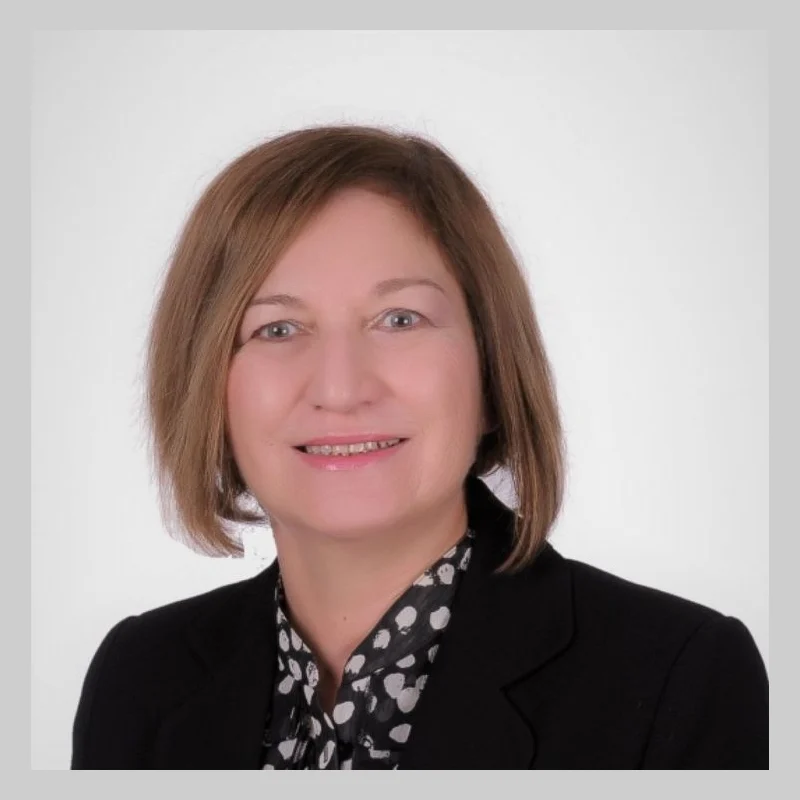
Dr. Tülay Yarkın
Pulmonology & Thoracic SurgeryVerified
- 28+years exp.
English · Turkish
FromPrice on request
Free quote
60 seconds · no obligationView Profile
What a thymectomy is, how robotic, VATS and open approaches remove the thymus gland, what evidence shows for myasthenia gravis and thymoma management, how costs in Turkey compare with the UK, US and Germany, what realistic post-operative recovery involves, potential complications, and what to look for when choosing an accredited thoracic surgical centre.
A written plan with the surgeon's name and the full price — usually within 24 hours.

1 doctor Compare doctors, ratings and prices — ask any of them for a free quote.
Pulmonology & Thoracic SurgeryVerified
English · Turkish
60 seconds · no obligationView Profile
A thymectomy is a surgical operation to remove the thymus gland, located in the chest behind the breastbone and in front of the heart. During childhood, the thymus develops the immune system by producing T-cells. In adulthood, it normally shrinks into fatty tissue, but abnormal tissue can trigger autoimmune disorders or tumours. Hospitals in Turkey perform this procedure primarily for two conditions: generalised myasthenia gravis (an autoimmune disease causing fluctuating muscle weakness) and thymic tumours, including benign or malignant thymomas.
Choosing treatment abroad requires understanding the operative methods, clinical indications, and recovery milestones. Thoracic departments in Turkey provide robotic and video-assisted keyhole surgery as part of comprehensive care that includes pulmonology treatments in Turkey. This guide outlines how thymus surgery works, what the evidence shows, comparative costs across Europe and the US, recovery timelines, and how to choose an accredited hospital.
The goal of a complete thymectomy is total removal of the thymus gland along with surrounding fatty tissue between both phrenic nerves. In myasthenia gravis, the thymus produces abnormal antibodies that attack acetylcholine receptors at neuromuscular junctions, interrupting nerve signals to muscles. Removing the gland removes this source of antibodies, allowing neuromuscular communication to stabilise over time.
For thymoma, surgery resects the encapsulated tumour intact to prevent local recurrence and stop cells spreading across the pleural space. Thoracic surgeons achieve this using either minimally invasive keyhole incisions between the ribs or an open sternotomy through the breastbone. Removing all mediastinal fat is essential to maximise disease remission and prevent recurrence.
Clinical evidence strongly supports thymus resection. For myasthenia gravis, the international randomised MGTX trial published in the New England Journal of Medicine showed that patients receiving surgery alongside medication had significantly fewer symptoms, required lower steroid doses, and experienced fewer hospitalisations than those on medication alone. Benefits persisted across multi-year follow-ups.
For thymic tumours, complete surgical removal is recognized by the European Society of Thoracic Surgeons (ESTS) as the primary curative treatment for early-stage disease. However, surgery is not an instant cure for myasthenia gravis; antibody levels decline gradually over months or years. Patients with ocular-only symptoms or specific antibodies like MuSK show less predictable responses, requiring detailed neurological assessment beforehand.
Prices vary by surgical technique (robotic, thoracoscopic, or open), intensive care requirements, and pre-operative neurological preparation. The figures below show approximate private healthcare ranges rather than hospital quotes.
| Country | Approximate cost range |
|---|---|
| Turkey | €4,500 – €11,000 |
| United Kingdom | €12,000 – €24,000 |
| United States | €25,000 – €65,000 |
| Germany | €11,000 – €22,000 |
Cost factors include robotic consumables, operating duration, and hospital stay. Patients with myasthenia gravis who need pre-operative plasma exchange or immunoglobulin to stabilise breathing face higher treatment costs. When evaluating thymectomy cost abroad, understanding the full thymectomy price requires checking whether hospital packages cover pre-operative neurological optimisation. A standard international package in Turkey typically includes pre-operative imaging, pulmonary tests, surgeon and anaesthetist fees, hospital and intensive care stay, medications, pathology, and airport transfers.
Thoracic surgeons use three main approaches to access the anterior mediastinum, selected according to tumour size, invasiveness, and patient anatomy.
| Surgical approach | Best suited to | Typical limits |
|---|---|---|
| Robotic-assisted (RATS) | Non-invasive thymomas, myasthenia gravis, deep mediastinal access | Higher equipment overhead; requires specialised robotic training |
| Video-assisted thoracoscopic (VATS) | Small well-defined lesions, early myasthenia gravis, fast recovery | Rigid instruments can restrict angles in tight mediastinal spaces |
| Open transsternal thymectomy | Large invasive thymomas, great vessel involvement, revisions | Longer bone healing, higher discomfort, central chest scar |
Minimally invasive methods use three or four small incisions (5–12 mm) between the ribs. Surgeons use port techniques similar to those in a lobectomy to reach the mediastinum without spreading the ribs. Unlike lung resections such as a pneumonectomy, thymus surgery leaves functional lung tissue intact. Open surgery divides the breastbone, offering wide exposure for large tumours at the expense of a longer recovery.
Good candidates include adults with generalised myasthenia gravis who have acetylcholine receptor antibodies and inadequate symptom control on medication, particularly patients between puberty and 65 years. Any patient with a suspected or confirmed thymoma on cross-sectional imaging is also evaluated for surgical removal.
Surgery is unsuitable for individuals in an active, unstable myasthenic crisis until breathing and muscle strength are medically stabilised. Severe cardiopulmonary failure, uncorrected bleeding disorders, or widespread tumour metastasis also rule out elective surgery. Patients with structural chest wall conditions can consult our guide to pectus excavatum treatment before planning sternal access.
Thymectomy is performed under general anaesthesia with single-lung ventilation, using a double-lumen tube to deflate the operative lung and open a clear surgical field in the chest.
The operation takes between 90 minutes and three hours depending on the chosen technique and anatomy.
After surgery, patients spend 12 to 24 hours in a monitored step-down unit or intensive care to track breathing and neurological stability. Following keyhole surgery, the chest tube is removed within one to two days, and hospital discharge occurs on day three or four.
Planning your thymectomy recovery involves understanding both short-term hospital care and longer-term healing milestones. During the first two weeks, patients rest, take gentle walks, and use an incentive spirometer. Desk work can resume after two to three weeks for VATS or robotic patients. Open sternotomy takes longer, requiring six to eight weeks of sternal bone precautions (avoiding heavy lifting and pushing). Patients arranging a thymectomy Turkey itinerary typically stay in the country for 8 to 12 days to complete surgery, drain removal, and pre-flight checks.
Unlike cosmetic procedures, the benefits of thymus surgery appear gradually over months and years. Realistic expectations vary between autoimmune patients and tumour patients.
For myasthenia gravis, success means fewer symptoms and reduced medication. Patients track improvements through standardized clinical scoring. Reduced muscle fatigue and improved eyelid control develop over 6 to 24 months. Complete stable remission occurs in 20% to 40% of patients over five to ten years, with another 40% to 50% achieving significant symptom relief. For thymoma, complete surgical resection with negative margins provides excellent long-term tumour control, confirmed by surveillance CT scans.
Major thoracic surgery carries inherent risks. Guidelines from the European Society of Thoracic Surgeons (ESTS) and the National Health Service (NHS) document standard complications associated with mediastinal operations.
General surgical risks include wound infection, bleeding, pleural effusion, pneumothorax, and reactions to anaesthesia. Specific thoracic complications include temporary or permanent injury to the phrenic nerve, causing diaphragmatic elevation and shortness of breath. The recurrent laryngeal nerve can also be irritated, leading to temporary voice hoarseness. For myasthenia gravis patients, the main risk is a post-operative myasthenic crisis requiring temporary ventilator support, which accredited intensive care units manage with monitored protocols. Understanding these potential thymectomy risks ensures that patients are thoroughly prepared for surgery.
Undergoing thoracic surgery abroad requires careful evaluation of hospital infrastructure and medical credentials. Turkey has numerous accredited tertiary hospitals, but patients should verify key standards before booking.
Red flags include clinics that cannot name your surgeon, quotes given without reviewing chest CT scans, and promises of instant cures. Review how it works and submit your records via our free quote page for a surgeon-led evaluation.
A thymectomy is the surgical excision of the thymus gland, located in the anterior mediastinum behind the breastbone. It is performed primarily to treat myasthenia gravis, an autoimmune neuromuscular disorder, or to remove thymomas and other mediastinal tumours. The procedure can be completed through open surgical incisions or minimally invasive techniques such as robotic and video-assisted thoracoscopic surgery.
Clinical trials, including the landmark MGTX trial published in the New England Journal of Medicine, demonstrate that thymectomy provides significant clinical benefits for many patients with generalised myasthenia gravis. Surgery frequently reduces medication requirements, lowers hospitalisation rates for myasthenic crises, and improves muscle strength over one to five years, although neurological improvement occurs gradually rather than overnight.
A thymectomy in Turkey typically ranges from €4,500 to €11,000, compared with €12,000 to €24,000 in the UK or considerably more in the United States. The total fee depends on whether a robotic, thoracoscopic or open approach is used, the duration of intensive care and hospital stay, and pre-operative neurological stabilisation.
Before surgery, patients with myasthenia gravis often experience fluctuating muscle weakness, droopy eyelids or swallowing difficulties. After surgery, improvement develops progressively over several months to years, with many patients achieving reduced reliance on corticosteroids or pyridostigmine. For thymoma patients, successful surgery removes the tumour with clear margins, verified by detailed histopathology.
Recovery depends on the surgical approach. After minimally invasive VATS or robotic surgery, most patients spend two to four days in hospital and return to light daily activities within two to three weeks. Open sternotomy requires six to eight weeks for the breastbone to unite, with full physical activity resuming after two to three months.
Post-operative discomfort is managed with intravenous analgesia, patient-controlled pumps, and local intercostal nerve blocks. Minimally invasive approaches involve small incisions between the ribs, causing significantly less post-operative pain than open sternotomy. Soreness around the chest tube sites typically resolves within several days following drain removal.
Robotic thymectomy uses magnified 3D cameras and articulating instruments through tiny keyhole incisions, resulting in less tissue trauma, lower blood loss, shorter hospitalisation, and reduced wound complications compared with open surgery. Open transsternal surgery remains necessary for large, invasive tumours that abut the pericardium, phrenic nerves, or major blood vessels.
The benefits of thymus gland removal for myasthenia gravis are long-lasting and often lifelong. Neurological stability and reduced medication doses frequently persist for decades. For thymoma patients, complete surgical resection with negative margins provides the best chance of preventing tumour recurrence, supported by routine follow-up computed tomography imaging.
Thymectomy is a major thoracic operation with high safety standards when performed in accredited centres by qualified thoracic surgeons. Minimally invasive procedures have low complication rates. The primary consideration for myasthenia gravis patients is peri-operative respiratory management, which requires experienced anaesthetists and a dedicated intensive care unit to manage myasthenic weakness safely.
Most international patients plan a stay of 8 to 12 days in Turkey. This duration allows for pre-operative neurological and cardiopulmonary workups, the operation, two to four days of in-hospital monitoring, drain removal, and an outpatient surgical review before safely boarding a return flight home.
Your request is in!
Your coordinator will contact you — usually within 2 hours, 24/7.
Want a faster, more accurate assessment?
Add photos & medical detailsLeave your number — a coordinator calls you in your language, usually within 15 minutes during office hours.
Thank you!
A coordinator will contact you at the time you chose.

