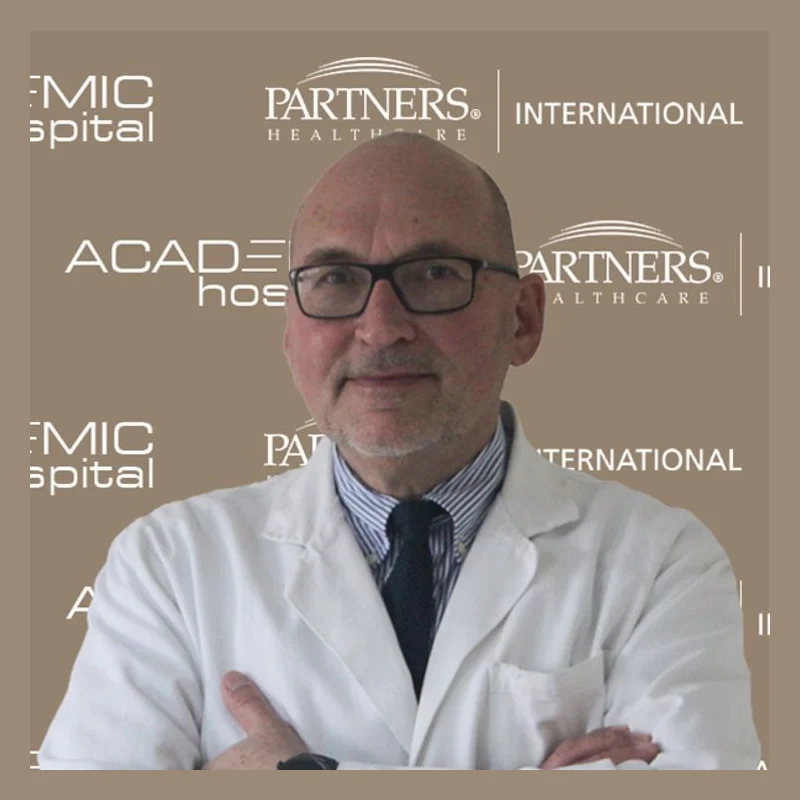
Prof. Dr. Turgay Çelikel
OncologyVerified
- 47+years exp.
English · Turkish
FromPrice on request
Free quote
60 seconds · no obligationView Profile
Gallbladder cancer is an uncommon malignancy that originates in the tissues lining the gallbladder. It predominantly affects older adults, particularly those with a history of gallstones or chronic inflammation. Jaundice, persistent upper abdominal pain, unexplained weight loss, and nausea typically bring patients to consult a physician. Viable treatment options depend on a comprehensive specialist assessment. Compare hospitals in Turkey that treat Gallbladder Cancer and get a free review of your medical records.

1 doctor Compare doctors, ratings and prices — ask any of them for a free quote.
OncologyVerified
English · Turkish
60 seconds · no obligationView Profile
Gallbladder cancer is an uncommon malignancy that originates in the tissues lining the gallbladder. It predominantly affects older adults, particularly those with a history of gallstones or chronic inflammation. Jaundice, persistent upper abdominal pain, unexplained weight loss, and nausea typically bring patients to consult a physician. Viable treatment options depend on a comprehensive specialist assessment.
Specialty: Oncology
Depending on the stage and your medical history, doctors may recommend:
The cost of treating Gallbladder Cancer depends on the diagnosis and the treatment chosen. Doctors first review your medical records — free of charge — and you then receive an itemised quote.
Options may include Chemotherapy for Gallbladder Cancer. Your doctor chooses the approach after reviewing your tests and scans.
Gallbladder Cancer is treated by Oncology specialists. 2 clinics in Turkey on our platform offer this treatment.
Gallbladder cancer is an uncommon malignancy that develops in the thin mucosal lining of the gallbladder, a small organ beneath the liver that stores bile. It occurs predominantly in older adults and is frequently associated with a history of long-standing gallstones, chronic gallbladder inflammation (cholecystitis), or gallbladder polyps. Because the gallbladder is situated deep within the abdomen, early-stage tumors rarely produce distinct signs and are often discovered incidentally during routine imaging or after surgery for gallstone disease.
As the tumor grows or blocks nearby bile ducts, noticeable symptoms develop. International patients seeking evaluation often present with one or more of the following signs:
Accurate staging is essential before any therapeutic strategy can be planned. Multidisciplinary medical teams in Turkey perform comprehensive evaluations to determine the exact extent of the tumor. Patients travelling from abroad should bring all existing medical records, including blood work, biopsy reports, and DICOM-format imaging files on CD or flash drive.
Hospital diagnostic pathways typically involve advanced imaging and laboratory assessments overseen by specialists in gastroenterology and oncology:
Management depends heavily on whether the cancer is localized (resectable) or advanced (unresectable or metastatic). Every case requires individualised evaluation by a multidisciplinary tumor board. Patients may undergo interventions administered by general surgery specialists or medical oncologists.
| Option | Typically Used When | Things to Know |
|---|---|---|
| Simple Cholecystectomy | Incidental T1a tumors confined to the inner mucosal layer. | Surgical removal of the gallbladder alone; often curative for very early lesions. |
| Extended (Radical) Cholecystectomy | T1b, T2, or resectable T3 tumors extending into deeper muscle or nearby liver. | Involves removing the gallbladder, a rim of adjacent liver tissue, and local lymph nodes. |
| Systemic Chemotherapy | Advanced, non-resectable disease or as adjuvant therapy after surgery. | Uses intravenous drugs to slow tumor progression and manage systemic disease spread. |
| Biliary Stenting or Drainage | Obstruction causes severe jaundice or infection. | Palliative procedure performed via endoscopy or radiology to clear blocked bile ducts. |
Depending on the tumor's genetic profile, targeted therapy or immunotherapy may be evaluated for advanced cases. Palliative interventions focus on relieving pain and restoring bile flow to maintain quality of life.
Traveling for complex cancer care requires structured coordination. Before traveling, your medical history and imaging are reviewed remotely by specialist consultants to provide a preliminary assessment of resectability and recommended diagnostic steps.
Patients undergoing radical surgery typically need to plan for a stay of 2 to 3 weeks in Turkey. This includes initial pre-operative staging, inpatient hospital stay (often 5 to 10 days depending on the procedure's complexity), and an outpatient monitoring period to remove sutures and check recovery. If systemic chemotherapy is advised, treatments are delivered in cycles; patients may choose to receive initial cycles abroad and continue care under a local oncologist at home.
Upon discharge, you will receive detailed pathology reports, surgical summaries, and care plans translated into English. Establishing clear communication between your local GP and your overseas medical team ensures safe ongoing management.
Long-distance travel carries inherent risks for individuals with complex hepatobiliary disease. You should defer international travel if you have active severe bile duct infections (cholangitis), unmanaged deep vein thrombosis, severe uncorrected anemia, or severe abdominal distension.
Seek immediate medical care at an emergency facility—whether in Turkey or upon returning home—if you develop any of the following warning signs:
Resectability depends on whether the tumor has grown into major blood vessels feeding the liver, spread extensively into the liver substance, or disseminated to distant organs and lymph nodes. A multidisciplinary team evaluates high-resolution CT or MRI scans to decide if complete surgical removal is technically feasible and safe for the patient.
Most patients remain in Turkey for 14 to 21 days following major abdominal surgery. This timeframe allows for the inpatient hospital recovery period, management of surgical drains, post-operative wound checks, and a final clearance consultation before taking a long-distance flight home.
Yes. Oncologists in Turkey can initiate chemotherapy protocols based on international guidelines. You will be provided with complete medical reports, regimen details, and drug dosages so your local medical oncologist can safely administer subsequent cycles in your home country.
You should gather high-resolution DICOM files of all recent CT, MRI, or PET scans on disc or USB, official radiology reports, tissue pathology reports, recent blood test results (especially liver function and tumor markers), and a comprehensive summary of your medical history and current medications.
Severe jaundice can be accompanied by impaired blood clotting, altered kidney function, or underlying infection. Flying while unwell increases the risk of dehydration, deep vein thrombosis, and sudden clinical deterioration. You must obtain formal medical clearance from your treating physician prior to boarding any flight.
Your request is in!
Your coordinator will contact you — usually within 2 hours, 24/7.
Want a faster, more accurate assessment?
Add photos & medical detailsLeave your number — a coordinator calls you in your language, usually within 15 minutes during office hours.
Thank you!
A coordinator will contact you at the time you chose.

