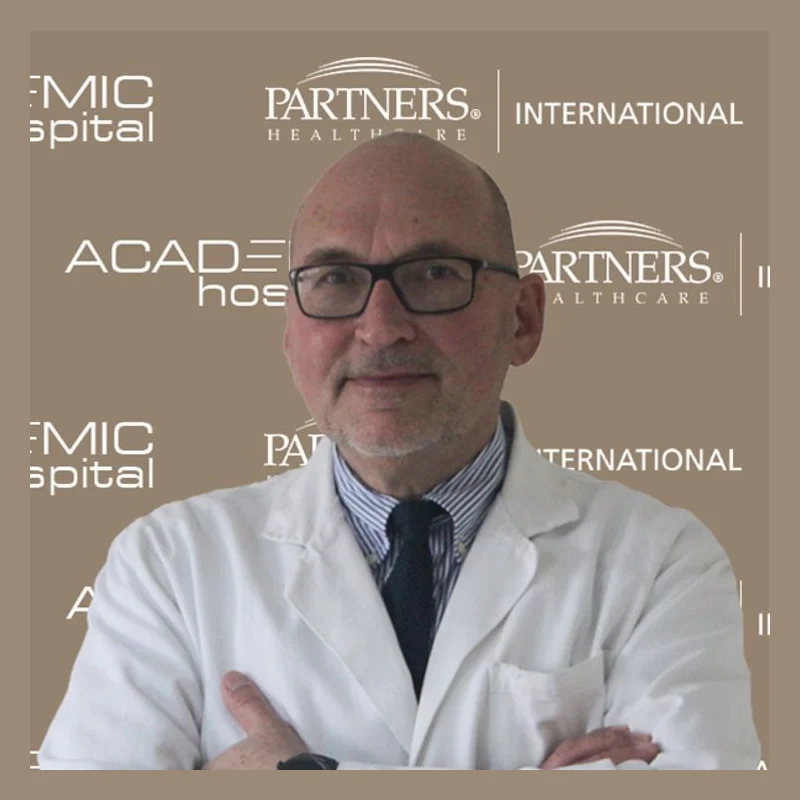
Prof. Dr. Turgay Çelikel
OncologyVerified
- 47+years exp.
English · Turkish
FromPrice on request
Free quote
60 seconds · no obligationView Profile
Pancreatic neuroendocrine tumours are neoplasms originating in the hormone-producing islet cells of the pancreas. Depending on whether they produce excess hormones, patients may present with flushing, chronic diarrhoea, fluctuating blood sugar, or vague abdominal pain. These tumours can develop in adults of any age. Clinical management and treatment options depend on a multidisciplinary specialist assessment examining tumour behaviour, staging, and functional status. Compare hospitals in Turkey that treat Pancreatic Neuroendocrine Tumors and get a free review of your medical records.

1 doctor Compare doctors, ratings and prices — ask any of them for a free quote.
OncologyVerified
English · Turkish
60 seconds · no obligationView Profile
Pancreatic neuroendocrine tumours are neoplasms originating in the hormone-producing islet cells of the pancreas. Depending on whether they produce excess hormones, patients may present with flushing, chronic diarrhoea, fluctuating blood sugar, or vague abdominal pain. These tumours can develop in adults of any age. Clinical management and treatment options depend on a multidisciplinary specialist assessment examining tumour behaviour, staging, and functional status.
Specialty: Oncology
The cost of treating Pancreatic Neuroendocrine Tumors depends on the diagnosis and the treatment chosen. Doctors first review your medical records — free of charge — and you then receive an itemised quote.
Pancreatic Neuroendocrine Tumors is treated by Oncology specialists. 2 clinics in Turkey on our platform offer this treatment.
Pancreatic neuroendocrine tumours (pNETs) are neoplasms that originate in the hormone-producing endocrine (islet) cells of the pancreas. Unlike the more common pancreatic adenocarcinomas, which arise from the exocrine ducts, pNETs stem from neuroendocrine tissue and often exhibit distinct biological behaviour and growth rates. These tumours affect adults across a broad age range and require specialized care managed within Oncology programs.
The clinical presentation of pNETs depends largely on whether the tumour is functional or non-functional:
Accurate diagnosis and staging are vital for determining an appropriate treatment strategy. Patients seeking an assessment in Turkey will undergo structured testing coordinated by an oncology team alongside specialists in Gastroenterology and Endocrinology.
Diagnostic evaluations generally include high-resolution multiphasic CT scans or contrast-enhanced MRI to visualize the primary pancreatic mass and assess liver metastasis. Specialized functional imaging, such as Gallium-68 DOTATATE PET/CT, is widely used to map somatostatin receptor expression across the body. Blood tests measure specific tumour markers like Chromogranin A (CgA) and specific fasting hormone levels. Endoscopic ultrasound (EUS) may be performed to obtain detailed images and secure tissue biopsies.
Before travelling, patients should compile and bring the following medical records:
Treatment decisions depend on tumour grade (Ki-67 proliferation index), stage, functional status, and the patient's general health. Care plans are determined after thorough evaluation by a multidisciplinary tumor board.
| Option | Typically Used When | Things to Know |
|---|---|---|
| Surgical Resection | Localized, resectable tumours in fit candidates | Surgical approaches range from enucleation to complex procedures managed via General Surgery, such as the Whipple procedure or distal pancreatectomy. |
| Somatostatin Analogues | Symptomatic functional tumours or progressive Grade 1/2 disease | Injections like octreotide or lanreotide help control hormone hypersecretion and slow tumour growth. |
| Targeted & Systemic Therapy | Advanced, metastatic, or progressive unresectable pNETs | Oral targeted agents (e.g., everolimus, sunitinib) or chemotherapy regimens help manage disease progression. |
| Peptide Receptor Radionuclide Therapy (PRRT) | Somatostatin receptor-positive advanced pNETs | Delivers targeted radiation directly to tumour cells; requires specialized nuclear medicine facilities. |
Planning international travel for pancreatic neuroendocrine tumor care requires structured preparation. Prior to arrival, medical records and diagnostic images are reviewed to establish a preliminary evaluation plan. Patients undergo additional diagnostic checks upon arrival to finalize the treatment strategy.
The length of stay in Turkey depends on the recommended intervention. Non-surgical consultations or initiation of medical therapies may require 5 to 7 days. If surgical intervention is advised, patients should plan for an inpatient hospital stay followed by 2 to 3 weeks of local recovery before flying home. Comprehensive discharge instructions will outline medication management, wound care, and dietary recommendations. Long-term follow-up and surveillance scans are coordinated with the patient's local medical team to ensure continuous monitoring.
International travel is not recommended for patients experiencing unstable hormone-related crises, severe uncontrolled hypoglycaemia, active deep vein thrombosis, or acute bowel obstruction. Flying immediately after major pancreatic surgery carries high risks of complications and should only occur once cleared by the operating surgical team.
Patients should seek urgent medical attention locally if they develop high fever, persistent vomiting, severe abdominal pain, sudden jaundice, or severe dizziness consistent with profound low blood sugar. Always confirm travel safety with your primary specialist before booking international arrangements.
Pancreatic neuroendocrine tumours arise from hormone-producing islet cells, whereas typical pancreatic cancer (adenocarcinoma) originates in the exocrine ductal tissue. pNETs usually grow more slowly, carry a different prognosis, and require distinct diagnostic methods and targeted treatment strategies compared to adenocarcinoma.
Surgical resectability is evaluated using high-resolution CT, MRI, or PET imaging. The treating multidisciplinary team assesses the tumour size, location within the pancreas, proximity to major blood vessels, tissue invasion, and whether distant metastases are present to determine if complete surgical removal is safe and feasible.
You should supply high-resolution diagnostic imaging files on disk along with official written reports, recent histopathology reports from previous biopsies, recent blood test results including hormone levels and liver function, and a comprehensive summary of your health history from your local oncologist.
Following major pancreatic surgery, patients typically spend several days recovering in the hospital. Afterwards, an additional stay of 2 to 3 weeks in local accommodation is generally required for recovery, drain monitoring, and post-operative checks before receiving medical clearance to fly home.
Long-term surveillance involves periodic blood tests and diagnostic imaging scans. Your treating medical team in Turkey provides detailed discharge summaries and guidance so your home oncologist can seamlessly continue monitoring your health, managing medications, and scheduling routine follow-up scans.
Your request is in!
Your coordinator will contact you — usually within 2 hours, 24/7.
Want a faster, more accurate assessment?
Add photos & medical detailsLeave your number — a coordinator calls you in your language, usually within 15 minutes during office hours.
Thank you!
A coordinator will contact you at the time you chose.

