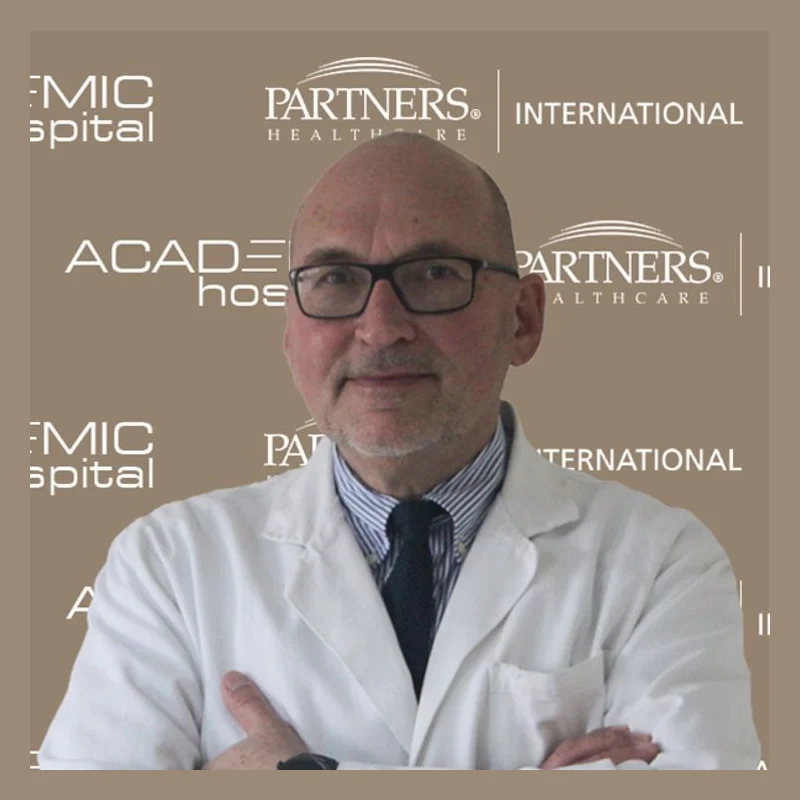
Prof. Dr. Turgay Çelikel
OncologyVerified
- 47+years exp.
English · Turkish
FromPrice on request
Free quote
60 seconds · no obligationView Profile
Neuroblastoma is a childhood cancer originating in immature nerve cells of the sympathetic nervous system, often developing in the adrenal glands. It primarily affects infants and young children, who may present with abdominal masses, bone pain, fatigue, or fever. Care plans involve surgery, chemotherapy, or radiotherapy, and tailored treatment options depend on risk stratification and a specialist assessment. Compare hospitals in Turkey that treat Neuroblastoma and get a free review of your medical records.

1 doctor Compare doctors, ratings and prices — ask any of them for a free quote.
OncologyVerified
English · Turkish
60 seconds · no obligationView Profile
Neuroblastoma is a childhood cancer originating in immature nerve cells of the sympathetic nervous system, often developing in the adrenal glands. It primarily affects infants and young children, who may present with abdominal masses, bone pain, fatigue, or fever. Care plans involve surgery, chemotherapy, or radiotherapy, and tailored treatment options depend on risk stratification and a specialist assessment.
Specialty: Oncology
Depending on the stage and your medical history, doctors may recommend:
The cost of treating Neuroblastoma depends on the diagnosis and the treatment chosen. Doctors first review your medical records — free of charge — and you then receive an itemised quote.
Options may include Complex Treatment of Neuroblastoma. Your doctor chooses the approach after reviewing your tests and scans.
Neuroblastoma is treated by Oncology specialists. 2 clinics in Turkey on our platform offer this treatment.
Neuroblastoma is a complex childhood cancer that originates in immature nerve cells, known as neuroblasts. These cells form part of the sympathetic nervous system, which controls involuntary bodily functions. Most commonly, neuroblastoma begins in the adrenal glands located above the kidneys, but it can also develop in nerve tissue along the spine, neck, chest, or pelvis. It primarily affects infants and children under the age of five.
The clinical presentation of neuroblastoma varies significantly depending on the tumour's location, size, and whether it has spread. Parents and carers may notice several non-specific signs, which often require careful evaluation by specialists in paediatrics and oncology. Common symptoms include:
Accurate risk stratification is essential for determining the appropriate care plan for neuroblastoma. When seeking evaluation in Turkey, hospitals follow standardized international diagnostic protocols. Diagnostic assessments usually begin with comprehensive blood and urine analyses, including measuring catecholamine metabolites (such as VMA and HVA), which are frequently elevated in children with this condition.
Advanced medical imaging plays a critical role. Patients typically undergo high-resolution ultrasound, magnetic resonance imaging (MRI), or computed tomography (CT) scans. Specialized nuclear medicine scans, such as MIBG (meta-iodobenzylguanidine) scans, are frequently utilized to locate neuroblastoma cells throughout the body. To confirm the diagnosis and assess bone marrow involvement, tissue biopsies and bone marrow aspirates are performed under pediatric anesthesia. Detailed evaluations may also be combined with general health screenings via check-ups & diagnostics services.
Before traveling, families should gather all primary medical records to facilitate a prompt evaluation. Essential documentation includes:
Neuroblastoma treatment relies on risk group assignment—categorized as low, intermediate, or high risk—based on the child's age, tumour stage, histopathology, and genetic features such as MYCN gene amplification. Multidisciplinary teams tailor care plans based on these clinical indicators.
| Option | Typically used when | Things to know |
|---|---|---|
| Observation / Minimally Invasive Surgery | Low-risk or localized tumours in infants. | Some small localized tumours may shrink on their own or only require surgical removal. |
| Surgical Resection | Intermediate-risk or localized tumours; after chemotherapy in high-risk cases. | Performed by specialists in pediatric surgery or neurosurgery if tumours are near spinal pathways. |
| Systemic Chemotherapy | Intermediate to high-risk neuroblastoma to shrink tumours prior to surgery. | Requires monitoring for side effects; often delivered in cycles over several months. |
| Radiotherapy | High-risk cases to target residual local disease or metastatic sites. | Delivered precise radiation to minimize impact on surrounding growing tissue. |
| Immunotherapy & Targeted Therapy | High-risk cases following standard consolidation therapies. | Uses targeted antibodies to help the body's immune system identify and destroy remaining cancer cells. |
In complex cases involving surgical intervention near abdominal organs, input from specialists in general surgery or urology may be required to protect adjacent organ function.
Organizing pediatric oncology treatment abroad requires careful preparation. Before setting off, families can submit medical files electronically for an initial remote file review. The treating medical team uses these records to outline a preliminary diagnostic and treatment strategy.
The length of stay in Turkey depends on the recommended protocol. Surgical procedures may require an initial stay of two to three weeks, whereas comprehensive multi-agent chemotherapy or immunotherapy protocols necessitate several months in the country. Following major interventions, structured physical rehabilitation may be recommended to support the child's recovery and mobility.
Prior to returning home, the hospital provides a complete summary of care, imaging results, and a clear follow-up plan. Families must coordinate with local pediatric oncologists at home to manage ongoing monitoring, blood work, and routine scans.
Air travel poses specific risks for children undergoing active cancer treatment. Patients receiving systemic chemotherapy often experience immunosuppression, making them vulnerable to severe infections. Traveling during periods of low white blood cell counts (neutropenia) is strictly contraindicated.
Families must seek immediate emergency care locally rather than attempting long-distance travel if any of the following warning signs occur:
Final decisions regarding travel clearance and treatment plans are always made by the attending physician after reviewing the child's clinical condition and diagnostic tests.
Neuroblastoma develops from genetic changes in immature nerve cells during fetal development. In most cases, the exact cause of these gene alterations is unknown, and the condition occurs randomly without a clear hereditary link, although a small percentage of cases can be linked to inherited genetic mutations.
Risk stratification is based on the child's age at diagnosis, the stage of the tumour, the microscopic appearance of the cells (histopathology), and specific genetic markers, such as whether the MYCN gene is amplified or mutated.
The duration of stay varies greatly. Simple surgical resections may require two to three weeks, whereas intensive high-risk protocols involving multi-cycle chemotherapy, surgery, and radiotherapy can require an extended stay of several months. The medical team will provide a tailored timeline after reviewing your child's files.
Travel between treatment cycles depends on your child's blood counts, immune status, and overall stability. If the medical team determines there is a high risk of infection or complications during transit, staying near the hospital between cycles is strongly advised.
Post-treatment care involves regular physical examinations, blood tests, urinary catecholamine monitoring, and periodic imaging scans (such as MRI, CT, or MIBG) to monitor recovery and check for signs of recurrence. This care must be coordinated with your local pediatric oncologist.
Your request is in!
Your coordinator will contact you — usually within 2 hours, 24/7.
Want a faster, more accurate assessment?
Add photos & medical detailsLeave your number — a coordinator calls you in your language, usually within 15 minutes during office hours.
Thank you!
A coordinator will contact you at the time you chose.

