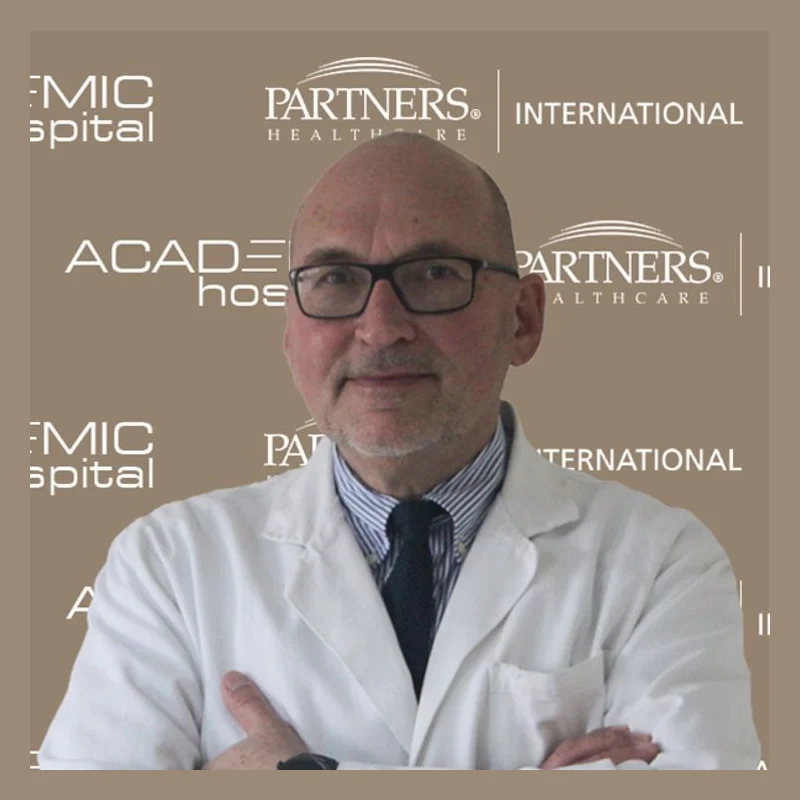
Prof. Dr. Turgay Çelikel
OncologyVerified
- 47+years exp.
English · Turkish
FromPrice on request
Free quote
60 seconds · no obligationView Profile
Lymphoma is a type of cancer that develops within the lymphatic system, which forms part of the body's immune network. It can affect individuals of various ages, typically prompting medical visits due to swollen lymph glands, persistent fatigue, night sweats, or unexplained weight loss. Appropriate treatment options depend on a thorough specialist assessment of the exact subtype and stage. Compare hospitals in Turkey that treat Lymphoma and get a free review of your medical records.

1 doctor Compare doctors, ratings and prices — ask any of them for a free quote.
OncologyVerified
English · Turkish
60 seconds · no obligationView Profile
Lymphoma is a type of cancer that develops within the lymphatic system, which forms part of the body's immune network. It can affect individuals of various ages, typically prompting medical visits due to swollen lymph glands, persistent fatigue, night sweats, or unexplained weight loss. Appropriate treatment options depend on a thorough specialist assessment of the exact subtype and stage.
Specialty: Oncology
Depending on the stage and your medical history, doctors may recommend:
The cost of treating Lymphoma depends on the diagnosis and the treatment chosen. Doctors first review your medical records — free of charge — and you then receive an itemised quote.
Options may include Lymphoma Chemotherapy, Comprehensive Diagnosis of Lymphomas, PET-CT in Lymphoma. Your doctor chooses the approach after reviewing your tests and scans.
Lymphoma is treated by Oncology specialists. 2 clinics in Turkey on our platform offer this treatment.
Lymphoma is a group of blood cancers that originate in the lymphatic system, a vital network of vessels, nodes, and organs responsible for filtering bodily fluids and fighting infections. The disease primarily involves white blood cells called lymphocytes, which mutate and multiply uncontrollably. Lymphomas are broadly categorized into two primary types: Hodgkin lymphoma, characterized by the presence of specific Reed-Sternberg cells, and Non-Hodgkin lymphoma (NHL), which encompasses a diverse group of B-cell and T-cell subtypes.
Because the lymphatic system spans the entire body, symptoms can appear in various regions. Common clinical presentations include:
Accurate diagnosis and subtyping are critical for determining the correct management strategy. Hospitals offering specialized care in oncology perform rigorous diagnostic evaluations to establish the precise nature and stage of the malignancy. Patients travelling to Turkey for diagnostic evaluation or treatment planning should gather and bring all existing medical records, including baseline blood panels, imaging files on digital media (DICOM format), and prior histology reports.
Standard diagnostic procedures typically involve:
Treatment strategy depends strictly on the definitive tissue subtype, stage, molecular profile, and overall physical fitness of the patient. Care plans are tailored after comprehensive evaluation by a multidisciplinary tumor board.
| Option | Typically Used When | Things to Know |
|---|---|---|
Depending on individual health profiles, patients undergoing intensive therapy may also require supportive interventions through gastroenterology for nutritional support, pulmonology & thoracic surgery for respiratory monitoring, or cardiac surgery teams for cardiovascular risk assessment prior to receiving anthracycline-based regimens.
Managing lymphoma care abroad requires meticulous preparation. Before traveling, international medical teams conduct an initial documentation review to determine if travel is appropriate and to outline a preliminary pathway. Depending on whether a patient requires diagnostic confirmation, staging, or systemic administration of therapies, the required length of stay varies significantly.
Diagnostic workups and initial consultations generally require seven to ten days. If initiating systemic therapy, patients may need to remain in the country for several weeks to monitor for early side effects, such as febrile neutropenia or organ toxicity. For long-term management, patients often receive initial cycles in Turkey and coordinate with home physicians for subsequent treatments, or undergo full cycles with pre-planned stays. Clear communication channels must be established so that your local primary care team receives full discharge summaries, treatment protocols, and emergency guidelines for ongoing follow-up care at home.
International travel poses significant physiological risks for certain lymphoma patients. Travel should be deferred if a patient presents with severe bone marrow suppression, active systemic infections, marked cardiopulmonary instability, or superior vena cava syndrome (obstruction of blood flow from the head and upper body caused by a chest mass).
Patients must seek urgent local medical care immediately if they experience any of the following red-flag symptoms during or shortly after travel:
Hodgkin lymphoma is distinguished by the presence of large, abnormal cells called Reed-Sternberg cells under microscopic examination. Non-Hodgkin lymphoma includes a broader range of B-cell and T-cell malignancies that lack these specific cells. Each type follows distinct clinical patterns and requires specific treatment approaches.
Initial diagnostic evaluations, biopsy reviews, and staging typically require a stay of 7 to 10 days. If you are starting chemotherapy or targeted therapy, stays may extend to several weeks so doctors can monitor early treatment tolerance and manage potential side effects.
A persistent unexplained fever or severe exhaustion requires immediate medical evaluation before planning travel. Severe fatigue or fever can indicate an active infection or advanced bone marrow suppression, which makes flying unsafe until stabilized by an oncologist.
Treatment decisions are made by a multidisciplinary team of oncologists, hematologists, pathologists, and radiologists after thoroughly reviewing diagnostic biopsies, PET-CT scans, and blood work. Protocols are tailored strictly according to established international guidelines and individual patient health.
You should bring complete medical records, including original biopsy blocks or tissue slides for secondary pathology review, full DICOM files of PET-CT or MRI scans on disk, recent blood counts, and a complete summary of any previous treatments or medications.
Your request is in!
Your coordinator will contact you — usually within 2 hours, 24/7.
Want a faster, more accurate assessment?
Add photos & medical detailsLeave your number — a coordinator calls you in your language, usually within 15 minutes during office hours.
Thank you!
A coordinator will contact you at the time you chose.

