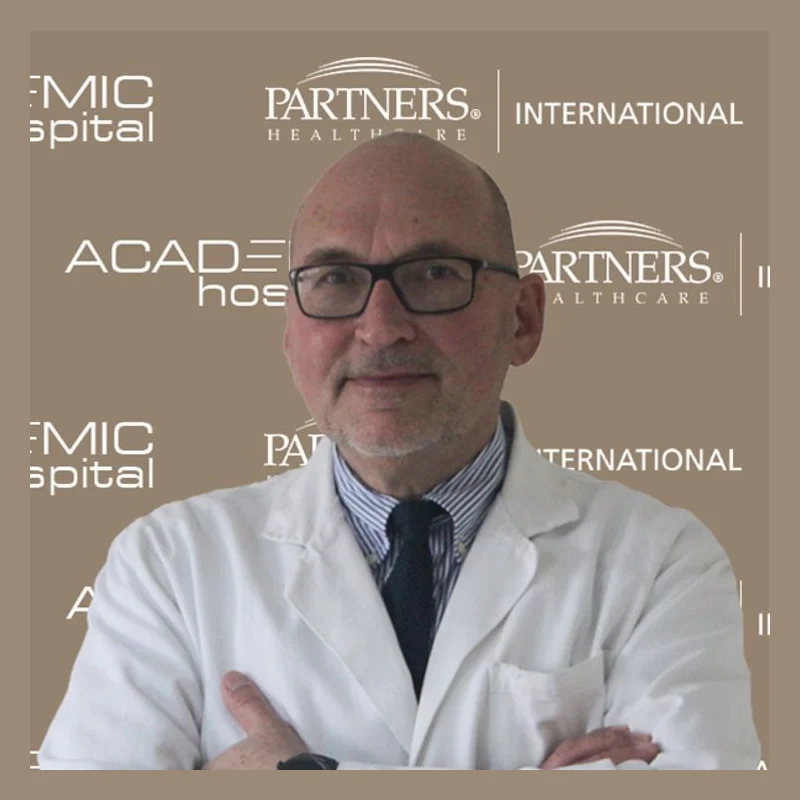
Prof. Dr. Turgay Çelikel
OncologyVerified
- 47+years exp.
English · Turkish
FromPrice on request
Free quote
60 seconds · no obligationView Profile
Mesothelioma is a type of cancer that develops in the thin layer of tissue covering internal organs, most commonly the lining of the lungs. It predominantly affects older adults with past asbestos exposure, presenting with persistent chest pain, shortness of breath, unexplained weight loss, or fatigue. Available medical interventions and care options depend on an extensive specialist assessment. Compare hospitals in Turkey that treat Mesothelioma and get a free review of your medical records.

1 doctor Compare doctors, ratings and prices — ask any of them for a free quote.
OncologyVerified
English · Turkish
60 seconds · no obligationView Profile
Mesothelioma is a type of cancer that develops in the thin layer of tissue covering internal organs, most commonly the lining of the lungs. It predominantly affects older adults with past asbestos exposure, presenting with persistent chest pain, shortness of breath, unexplained weight loss, or fatigue. Available medical interventions and care options depend on an extensive specialist assessment.
Specialty: Oncology
The cost of treating Mesothelioma depends on the diagnosis and the treatment chosen. Doctors first review your medical records — free of charge — and you then receive an itemised quote.
Mesothelioma is treated by Oncology specialists. 2 clinics in Turkey on our platform offer this treatment.
Mesothelioma is an aggressive form of cancer that develops in the thin layer of tissue covering internal organs, known as the mesothelium. It most frequently affects the lining of the lungs (pleural mesothelioma), though it can also occur in the abdominal lining (peritoneal mesothelioma), the sac surrounding the heart (pericardial mesothelioma), or the tissue around the testicles. The primary cause of this condition is historical exposure to airborne asbestos fibers, which can linger in tissues for decades before cellular changes manifest.
Because the disease develops slowly, symptoms typically appear in older adults long after exposure occurred. Common signs include persistent chest pain under the ribcage, chronic shortness of breath, unexplained weight loss, painful coughing, fatigue, and lower back pain. Peritoneal mesothelioma may present with abdominal swelling, localized pain, or bowel changes. Because these symptoms resemble less severe respiratory or gastrointestinal illnesses, a thorough specialist evaluation is essential to achieve an accurate diagnosis.
Accurate staging and tissue identification are critical for planning appropriate care. When evaluating suspected mesothelioma, international hospitals rely on comprehensive testing performed within an integrated oncology department. The diagnostic pathway typically involves advanced imaging, fluid analysis, and invasive biopsy procedures.
Diagnostic investigations generally include high-resolution computerized tomography (CT) scans and positron emission tomography (PET-CT) scans to determine the precise location and spread of tumors. If fluid has accumulated around the lungs or abdomen, doctors may perform a thoracentesis or paracentesis to sample the fluid. However, a definitive diagnosis requires a tissue biopsy, often obtained via video-assisted thoracoscopic surgery (VATS) or laparoscopy. Patients travelling to Turkey for evaluation should bring all historical medical records, including past asbestos exposure history, prior chest X-rays, recent CT images on DICOM discs, pathology reports, and a complete list of current medications.
Treatment plans depend heavily on the subtype of mesothelioma, the stage of the disease, the patient's general fitness, and pulmonary function tests. Specialist multidisciplinary teams evaluate each case to decide whether a curative-intent or palliative approach is appropriate.
| Option | Typically Used When | Things to Know |
|---|---|---|
| Surgical Resection | Early-stage localized pleural or peritoneal mesothelioma in fit patients | May involve pleurectomy/decortication (P/D) or cytoreductive surgery combined with heated intraoperative chemotherapy (HIPEC). |
| Systemic Chemotherapy | Unresectable tumors, advanced stages, or as neoadjuvant/adjuvant care | Standard regimens combine platinum-based agents with antifolates to slow tumor growth and manage systemic disease. |
| Immunotherapy | Advanced non-resectable pleural mesothelioma or recurrent disease | Uses targeted agents to help the body's immune system recognize and attack malignant cells. |
| Radiation Therapy | Localized pain control, post-surgical scar site prophylaxis, or palliation | High-energy beams target specific tumor sites to relieve chest wall pain or breathlessness caused by tissue pressure. |
Surgical intervention often requires collaboration across disciplines, such as pulmonology & thoracic surgery for lung involvement, or general surgery for abdominal cases. Supportive measures, including fluid drainage or pleurodesis to prevent recurrent fluid buildup, are routinely integrated to maintain comfort and breathing capacity.
Organizing medical travel for a complex oncological condition requires structured preparation. Prior to travel, treating physicians complete an initial remote records review to assess whether the patient is stable enough to fly and to outline expected diagnostic steps.
Upon arrival, patients undergo physical assessments, updated check-ups & diagnostics, and consultations with thoracic surgeons, medical oncologists, and radiation oncologists. International visitors should plan to remain local for several weeks, depending on whether care involves major surgery, systemic chemotherapy cycles, or symptom-management procedures. Before returning home, patients receive detailed medical discharge summaries, operative reports, and pathology results to share with their domestic medical team for ongoing follow-up care.
Long-distance travel presents significant physiological stress, particularly for individuals with compromised lung capacity or severe systemic illness. Patients with unmanaged pleural effusion, severe baseline dyspnoea, recent pneumothorax, or low blood oxygen levels may be advised against air travel, as cabin pressure changes can exacerbate respiratory distress.
Certain warning signs require immediate local emergency care rather than travel arrangements. Patients experiencing sudden severe shortness of breath, coughing up blood, high fever with chills, acute chest pain, severe abdominal swelling, or sudden confusion should seek urgent emergency evaluation at the nearest hospital immediately.
Bring your complete medical history, detailed records of past asbestos exposure, recent imaging files on CD or USB (such as CT or PET scans), official pathology or biopsy reports, recent blood test results, and a full list of all current prescription medications.
The duration of stay varies based on the recommended intervention. Diagnostic workups and minor procedures may require 7 to 10 days, while surgical interventions or initial chemotherapy cycles generally require a stay of 3 to 6 weeks for adequate recovery and monitoring.
Mesothelioma is a complex and aggressive cancer that is rarely considered completely curable. Treatment aims to control tumor growth, manage symptoms, extend survival, and improve overall quality of life. Realistic expectations and therapeutic goals are established by the treating oncologist after comprehensive testing.
Air travel after thoracic surgery carries risks such as air leaks or respiratory distress due to atmospheric pressure changes. Patients must be evaluated by their surgical team and cleared via chest imaging and lung function tests before booking a return flight home.
Before discharge, the medical team provides comprehensive medical records, operation notes, scan images, and recommended treatment protocols. Your local oncologist uses these documents to continue systemic therapies, monitor recovery, and manage long-term supportive care in your home country.
Your request is in!
Your coordinator will contact you — usually within 2 hours, 24/7.
Want a faster, more accurate assessment?
Add photos & medical detailsLeave your number — a coordinator calls you in your language, usually within 15 minutes during office hours.
Thank you!
A coordinator will contact you at the time you chose.

