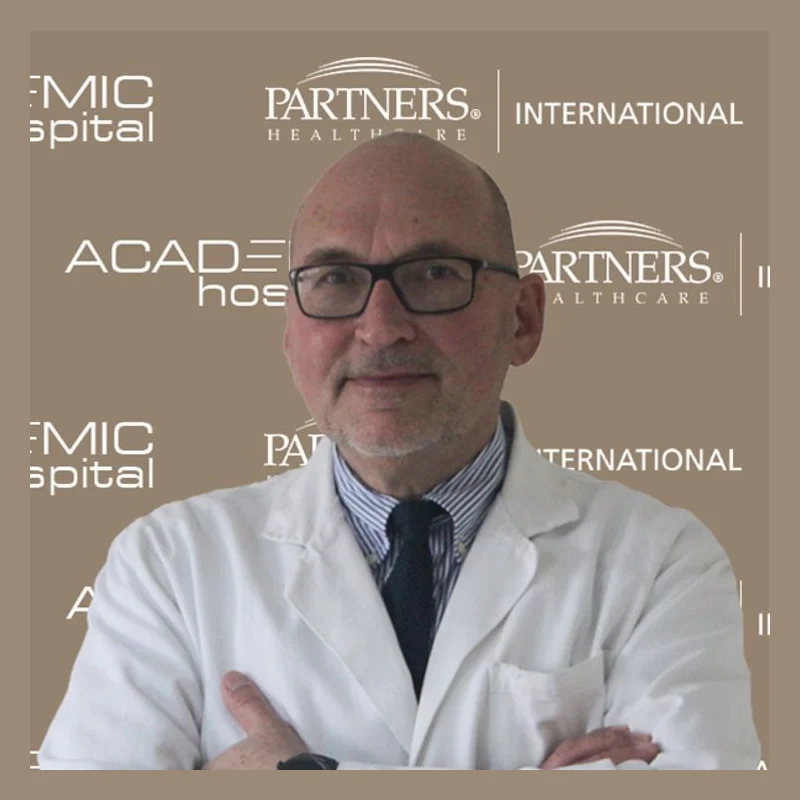
Prof. Dr. Turgay Çelikel
OncologyVerified
- 47+years exp.
English · Turkish
FromPrice on request
Free quote
60 seconds · no obligationView Profile
Leukaemia is a cancer of the blood-forming tissues, notably the bone marrow and lymphatic system. It affects both children and adults, often causing persistent fatigue, frequent infections, unexplained bruising, or swollen lymph nodes. Because leukaemias vary significantly by subtype and disease stage, appropriate management and treatment options depend on an individual specialist assessment. Compare hospitals in Turkey that treat Leukemia and get a free review of your medical records.

1 doctor Compare doctors, ratings and prices — ask any of them for a free quote.
OncologyVerified
English · Turkish
60 seconds · no obligationView Profile
Leukaemia is a cancer of the blood-forming tissues, notably the bone marrow and lymphatic system. It affects both children and adults, often causing persistent fatigue, frequent infections, unexplained bruising, or swollen lymph nodes. Because leukaemias vary significantly by subtype and disease stage, appropriate management and treatment options depend on an individual specialist assessment.
Specialty: Oncology
Depending on the stage and your medical history, doctors may recommend:
The cost of treating Leukemia depends on the diagnosis and the treatment chosen. Doctors first review your medical records — free of charge — and you then receive an itemised quote.
Options may include Leukemia Chemotherapy, Comprehensive Diagnosis of Leukemia. Your doctor chooses the approach after reviewing your tests and scans.
Leukemia is treated by Oncology specialists. 2 clinics in Turkey on our platform offer this treatment.
Leukaemia is a malignant condition affecting the blood-forming tissues of the body, primarily the bone marrow and the lymphatic system. It leads to the rapid production of abnormal white blood cells, which fail to function properly and crowd out healthy red blood cells, platelets, and normal leukocytes. Leukaemias are broadly classified based on how quickly the disease progresses—either acute or chronic—and the type of blood cells involved, categorized as either lymphocytic or myeloid.
Because healthy blood cell production is impaired, symptoms can be widespread and varied. Patients frequently experience persistent fatigue, recurring infections, unexplained bruising, petechiae (tiny red spots under the skin), frequent nosebleeds, or night sweats. Swollen lymph nodes, particularly in the neck or armpits, and an enlarged liver or spleen may also cause abdominal discomfort. Any individual experiencing persistent, unexplained symptoms should seek an immediate medical evaluation through oncology specialists.
Accurate diagnosis and precise subtype identification are essential before any treatment plan can be established. Hospitals providing specialised cancer care routinely conduct comprehensive diagnostic workups. International patients travelling for assessment are advised to bring all prior diagnostic records, including existing blood films, biopsy slides, and previous treatment summaries.
Standard diagnostic procedures typically include:
In addition to blood and marrow evaluations, systemic assessments such as imaging or diagnostic checks via check-ups & diagnostics help determine if the disease has spread to organs or lymph nodes.
Management strategies depend heavily on the specific leukaemia subtype, molecular markers, patient age, and overall physical health. A multidisciplinary tumor board reviews clinical data to determine the appropriate therapeutic approach.
| Option | Typically Used When | Things to Know |
|---|---|---|
| Chemotherapy | Acute leukaemias (AML, ALL) and advanced chronic leukaemias | Uses systemic medications to destroy rapidly dividing cells; often divided into induction, consolidation, and maintenance phases. |
| Targeted Therapy | Specific genetic mutations exist (e.g., CML with Philadelphia chromosome) | Drugs like tyrosine kinase inhibitors target specific molecular abnormalities with less damage to healthy cells. |
| Stem Cell / Bone Marrow Transplant | High-risk acute leukaemia or relapsed cases after remission | Replaces diseased marrow with healthy stem cells; requires intensive conditioning and strict isolation. |
| Immunotherapy / CAR-T Cell Therapy | Certain relapsed or refractory B-cell acute lymphoblastic leukaemias | Reprograms the patient's immune system to recognize and attack leukaemia cells. |
For patients requiring intensive support or management of systemic complications, care may involve related medical fields such as gastroenterology for digestive tract side effects or pulmonology & thoracic surgery if pulmonary complications arise during therapy.
Travelling abroad for complex blood cancer care requires detailed advanced planning. Before travel, medical records, laboratory results, and pathology reports are reviewed remotely by hematologists to assess suitability for transfer and outline initial steps. Patients undergoing intensive chemotherapy or stem cell transplantation must prepare for extended stays, often lasting several months, to allow for treatment administration, recovery, and immune system monitoring.
Coordinating long-term care between international specialists and domestic physicians is essential. Upon returning home, patients require ongoing monitoring, including routine blood work, bone marrow checks, and prompt management of any late complications. Support from secondary services, such as specialized clinical care in dermatology for skin reactions or targeted rehabilitation programs, can help maintain functional health during recovery phases.
International travel carries significant risks for leukaemia patients, particularly when blood counts are severely compromised. Individuals with severe neutropenia (extremely low white blood cell counts) face a high risk of life-threatening infections from pathogens encountered in transit. Severe thrombocytopenia (low platelet counts) creates a risk of spontaneous, severe bleeding, which can be exacerbated by cabin pressure changes during flights.
Travel should be postponed if a patient exhibits active, uncontrolled infections, severe anaemia requiring immediate transfusions, or hemodynamic instability. Patients experiencing sudden high fever, acute shortness of breath, sudden severe headaches, or uncontrollable bleeding must seek urgent local emergency care immediately rather than attempting long-distance travel.
Acute leukaemia progresses rapidly and requires immediate, intensive treatment because it involves highly immature blood cells. Chronic leukaemia develops more slowly over time, involving more mature blood cells, and may initially be monitored or managed with targeted outpatient therapies.
The duration of stay depends entirely on the treatment regimen. Initial diagnostic workups or oral targeted therapy starts may take a few weeks, whereas acute leukaemia chemotherapy or stem cell transplantation usually requires a stay of several months for administration, isolation, and recovery.
Flying with severely low blood counts poses significant medical risks, including severe hypoxia or unexpected bleeding. Air travel should only occur after your treating hematologist clears you and confirms that your blood counts are safely stabilized, potentially requiring pre-flight transfusions.
You should provide complete medical records, including recent blood count reports, bone marrow biopsy results, cytogenetic or molecular test findings, imaging scans, a summary of previous chemotherapy or treatments, and a list of current medications.
Before discharge, your treating medical team provides a detailed medical summary and post-treatment plan. You must arrange for a local hematologist or oncologist in your home country to perform routine blood tests, monitor for relapse, and manage potential long-term side effects.
Your request is in!
Your coordinator will contact you — usually within 2 hours, 24/7.
Want a faster, more accurate assessment?
Add photos & medical detailsLeave your number — a coordinator calls you in your language, usually within 15 minutes during office hours.
Thank you!
A coordinator will contact you at the time you chose.

