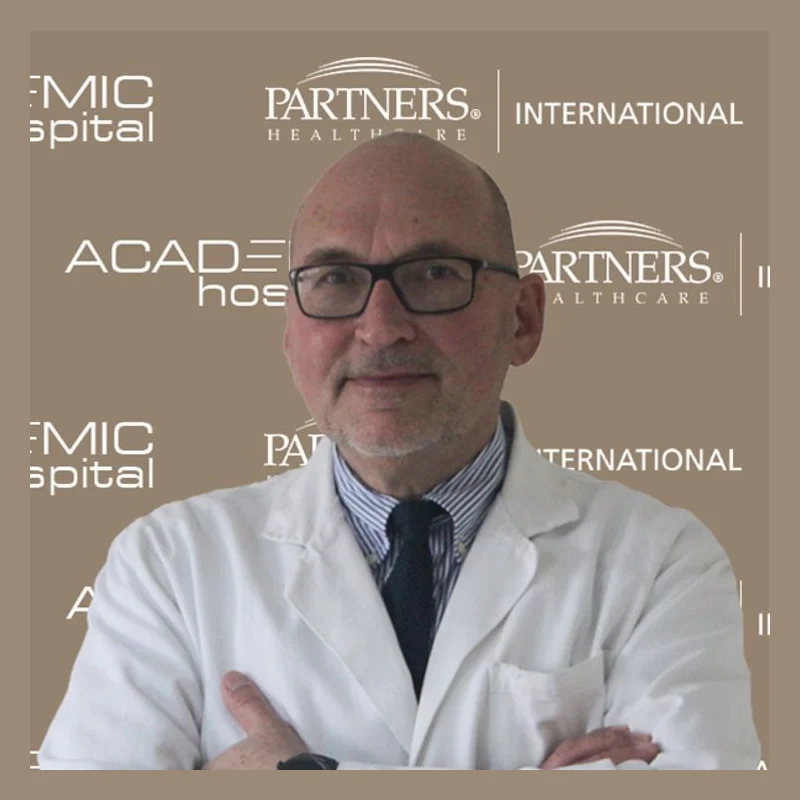
Prof. Dr. Turgay Çelikel
OncologyVerified
- 47+years exp.
English · Turkish
FromPrice on request
Free quote
60 seconds · no obligationView Profile
Nephroblastoma, also known as Wilms tumour, is a rare type of kidney cancer that primarily affects young children. Parents often seek medical attention after noticing swelling or an abdominal lump, occasionally alongside blood in the urine or persistent pain. Appropriate treatment options depend on a thorough specialist assessment to determine the stage and individual care requirements. Compare hospitals in Turkey that treat Nephroblastoma and get a free review of your medical records.

1 doctor Compare doctors, ratings and prices — ask any of them for a free quote.
OncologyVerified
English · Turkish
60 seconds · no obligationView Profile
Nephroblastoma, also known as Wilms tumour, is a rare type of kidney cancer that primarily affects young children. Parents often seek medical attention after noticing swelling or an abdominal lump, occasionally alongside blood in the urine or persistent pain. Appropriate treatment options depend on a thorough specialist assessment to determine the stage and individual care requirements.
Specialty: Oncology
Depending on the stage and your medical history, doctors may recommend:
The cost of treating Nephroblastoma depends on the diagnosis and the treatment chosen. Doctors first review your medical records — free of charge — and you then receive an itemised quote.
Options may include Complex Treatment of Nephroblastoma, Removal of Nephroblastoma. Your doctor chooses the approach after reviewing your tests and scans.
Nephroblastoma is treated by Oncology specialists. 2 clinics in Turkey on our platform offer this treatment.
Nephroblastoma, commonly referred to as Wilms tumour, is a rare type of primary kidney cancer that overwhelmingly affects infants and young children. It originates from immature kidney precursor cells that fail to develop properly before birth. Over time, these embryonic tissues form a solid mass within one or both kidneys. Because the tumour often grows deep within the retroperitoneal space without initially disrupting normal kidney function, early signs can be subtle.
Parents and carers frequently first notice a firm, smooth, and painless lump or abdominal swelling, often discovered while bathing or dressing the child. Other potential symptoms include persistent abdominal discomfort, microscopic or visible blood in the urine (haematuria), unexplained high blood pressure caused by altered renal blood flow, low-grade fevers, and poor appetite leading to weight loss. If you observe an unexpected abdominal mass in a young child, prompt medical evaluation is essential to determine the underlying cause.
When evaluating suspected Nephroblastoma, specialist hospitals in Turkey perform comprehensive assessments to establish an accurate diagnosis and determine the stage of the disease. Initial workups typically involve high-resolution abdominal ultrasound to confirm the presence of a kidney mass and evaluate blood flow through the renal veins and inferior vena cava. To further define the exact boundaries of the tumour, doctors usually perform magnetic resonance imaging (MRI) or contrast-enhanced computed tomography (CT) scans of the abdomen and pelvis. A chest CT is also essential to check whether microscopic cells have spread to the lungs.
International families traveling to Turkey for paediatric oncology care should compile complete medical records prior to departure. Necessary documentation includes:
Upon arrival, medical teams in Turkey review these records to plan necessary supplementary investigations, such as formal staging or additional blood tests through check-ups & diagnostics departments.
Managing Nephroblastoma requires a coordinated multidisciplinary strategy, combining surgical intervention, systemic chemotherapy, and occasionally targeted radiation therapy. Paediatric oncologists and paediatrics specialists tailor the therapeutic sequence based on whether the disease affects one kidney (unilateral) or both kidneys (bilateral), as well as the histological cell type (favourable versus unfavourable histology).
| Option | Typically used when | Things to know |
|---|---|---|
| Preoperative Chemotherapy | Initial imaging shows a large or complex tumour, reducing surgical risk before resection. | Shrinks the primary mass to make surgical removal safer and preserve surrounding tissue. |
| Radical Nephrectomy | Unilateral tumour where complete surgical excision of the affected kidney is safe. | Involves removing the diseased kidney, surrounding fat, and adjacent lymph nodes for precise staging via urology or general surgery care. |
| Nephron-Sparing Surgery | Bilateral disease or underlying genetic predisposition risking total renal failure. | Aims to excise the tumour mass while preserving maximum healthy functional kidney tissue. |
| Postoperative Chemotherapy & Radiation | Higher-stage disease or unfavorable histology detected after surgical evaluation. | Eradicates microscopic residual cells to lower the risk of local or distant disease recurrence. |
Organising specialized treatment abroad requires deliberate planning. Before travel, the medical team conducts an initial remote file review to assess whether the child is stable enough to fly and to estimate the preliminary care schedule. Upon arriving in Turkey, the patient undergoes initial consultations and imaging to finalize the treatment path.
Families should prepare for an extended stay. Initial surgical procedures and post-operative recovery typically require 2 to 4 weeks in Turkey. If post-operative chemotherapy or radiation is advised, total stay durations may extend further, or care may be split into planned phases. After returning home, seamless coordination between local doctors and the treating team in Turkey is essential to monitor kidney function, blood pressure, and long-term recovery progress.
Long-distance travel is not advisable for children exhibiting severe respiratory distress, unmanaged high blood pressure, active bleeding, severe anaemia, or signs of an unstable abdominal tumor that risks rupture. Rupture of a fragile abdominal mass can cause severe intra-abdominal haemorrhage and widespread disease dissemination, making vigorous abdominal palpation or strenuous physical movement dangerous.
Seek immediate local emergency medical assistance if your child develops acute abdominal pain, sudden abdominal swelling, severe shortness of breath, unexplained lethargy, or high fevers during or immediately following international travel. Treatment decisions are made by the treating medical team after careful review of clinical tests.
Nephroblastoma, or Wilms tumour, is a rare form of kidney cancer that primarily affects young children. It develops from embryonic kidney tissue and usually presents as a solid abdominal mass. Early medical evaluation is necessary to confirm the diagnosis and determine appropriate management.
Hospitals in Turkey typically use abdominal ultrasound, contrast-enhanced CT, or MRI scans to examine the kidney mass and adjacent blood vessels. A chest CT is also conducted to evaluate the lungs, along with routine blood and urine analyses to assess baseline organ function.
The required stay varies based on the chosen care plan. A surgical procedure generally requires a stay of two to four weeks for pre-operative assessments and initial post-operative recovery. If extended chemotherapy cycles are administered in Turkey, stays may be longer.
Travel safety depends on the child's overall health and tumour stability. If the tumour is very large, painful, or causing high blood pressure or breathing difficulties, flying may pose risks. A paediatric oncologist must clear the child for travel following a thorough medical review.
Long-term follow-up involves periodic physical examinations, kidney function blood tests, blood pressure monitoring, and regular imaging scans. These tests ensure the remaining kidney functions normally and help detect any potential recurrence early, in coordination with your local medical team.
Your request is in!
Your coordinator will contact you — usually within 2 hours, 24/7.
Want a faster, more accurate assessment?
Add photos & medical detailsLeave your number — a coordinator calls you in your language, usually within 15 minutes during office hours.
Thank you!
A coordinator will contact you at the time you chose.

