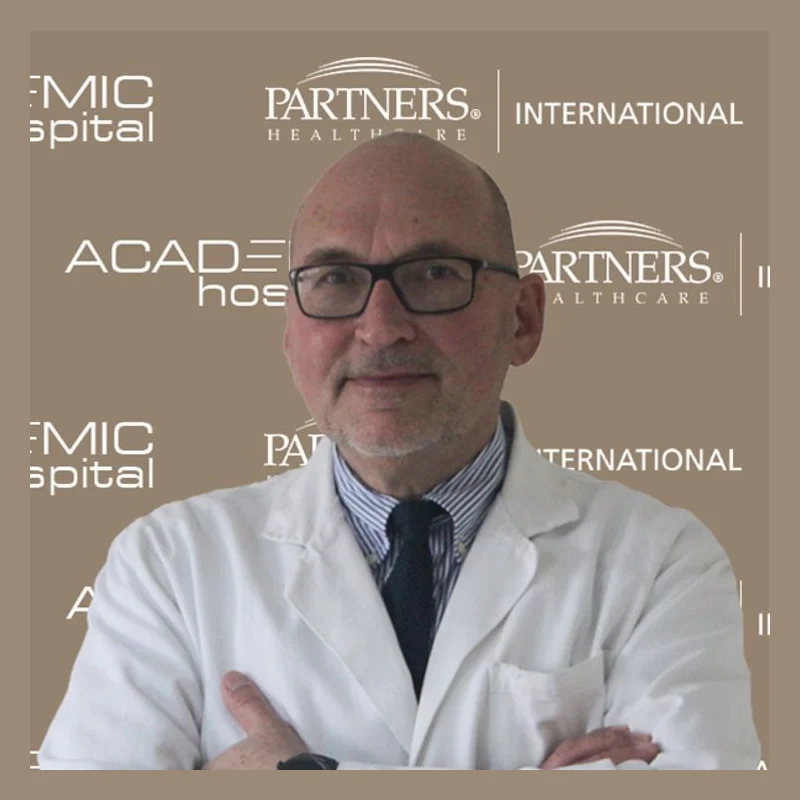
Prof. Dr. Turgay Çelikel
OncologyVerified
- 47+years exp.
English · Turkish
FromPrice on request
Free quote
60 seconds · no obligationView Profile
Kidney cancer occurs when abnormal cells grow within kidney tissue, most commonly beginning in the lining of small renal tubules. It often leads individuals to consult a doctor because of blood in the urine, persistent flank pain, unexplained weight loss, or an abdominal mass. Deciding upon appropriate medical or surgical options depends strictly on a comprehensive specialist assessment and accurate diagnostic staging. Compare hospitals in Turkey that treat Kidney Cancer and get a free review of your medical records.

1 doctor Compare doctors, ratings and prices — ask any of them for a free quote.
OncologyVerified
English · Turkish
60 seconds · no obligationView Profile
Kidney cancer occurs when abnormal cells grow within kidney tissue, most commonly beginning in the lining of small renal tubules. It often leads individuals to consult a doctor because of blood in the urine, persistent flank pain, unexplained weight loss, or an abdominal mass. Deciding upon appropriate medical or surgical options depends strictly on a comprehensive specialist assessment and accurate diagnostic staging.
Specialty: Oncology
Depending on the stage and your medical history, doctors may recommend:
The cost of treating Kidney Cancer depends on the diagnosis and the treatment chosen. Doctors first review your medical records — free of charge — and you then receive an itemised quote.
Options may include Radiation Therapy for Kidney Cancer, Immunotherapy for Kidney Cancer, Cryotherapy for Kidney Cancer, Chemotherapy for Kidney Cancer, Complex Diagnostics of Kidney Cancer. Your doctor chooses the approach after reviewing your tests and scans.
Kidney Cancer is treated by Oncology specialists. 2 clinics in Turkey on our platform offer this treatment.
Kidney cancer develops when cells within the tissue of one or both kidneys mutate and multiply uncontrollably. The most common form in adults is renal cell carcinoma, which typically originates in the lining of the small tubules responsible for filtering blood. Because the kidneys sit deep within the upper abdominal cavity behind the peritoneum, early-stage tumors often grow silently without causing noticeable discomfort.
As the condition progresses, patients may experience specific clinical signs that prompt further medical investigation. Key symptoms include:
These symptoms do not confirm a malignancy on their own. They require thorough investigation through advanced imaging and evaluation by specialists in Oncology and Urology to determine the underlying cause.
International medical centers in Turkey follow structured diagnostic protocols to confirm a diagnosis, establish the histological subtype, and stage the tumor accurately. Staging determines whether the cancer is localized within the kidney tissue, has invaded regional lymph nodes, or has metastasized to distant organs.
When traveling for diagnostic confirmation, hospitals typically conduct a series of specialized assessments:
Patients preparing for care abroad should bring all existing electronic medical records, previous CT or MRI scans in DICOM format on a disc, histological report slides if a biopsy was already performed, and a list of current prescription medications.
Selecting an appropriate management strategy depends strictly on accurate staging, the physical location of the mass, overall baseline kidney function, and general performance status. Multidisciplinary tumor boards evaluate these factors to tailor care.
| Option | Typically Used When | Things to Know |
|---|---|---|
| Partial Nephrectomy | Localized tumors, small renal masses (< 4-7 cm), or single kidney function. | Preserves as much healthy kidney tissue as possible, reducing long-term renal failure risks. |
| Radical Nephrectomy | Large localized tumors, extensive central growth, or vascular invasion. | Involves surgical removal of the entire affected kidney, adjacent fat, and sometimes regional lymph nodes. |
| Targeted Therapies | Advanced or metastatic renal cell carcinoma. | Uses oral medications (like TKI inhibitors) to block specific signaling pathways that fuel tumor growth. |
| Immunotherapy | Intermediate or high-risk metastatic disease, often combined with targeted drugs. | Helps the body's natural immune defense recognize and eliminate cancerous cells. |
| Ablative Therapies | Small peripheral tumors in frail or elderly patients unfit for major surgery. | Employs extreme cold (cryoablation) or heat (radiofrequency) to destroy tumor cells in situ. |
Surgical interventions are often planned through General Surgery or urological oncology departments using open, laparoscopic, or robotic-assisted techniques. Surgical pathways may also be coordinated alongside Pulmonology & Thoracic Surgery if lung metastasectomy is clinically indicated.
Seeking specialized cancer treatment abroad requires coordinated planning to ensure safety and continuity of care. Before traveling, international care teams perform a pre-arrival review of submitted imaging and pathology reports to provide a preliminary clinical pathway.
For surgical procedures such as partial or radical nephrectomy, patients should anticipate an initial stay of 10 to 14 days in Turkey. This window allows for pre-operative consultations, baseline blood work, surgical intervention, and a hospital recovery period to monitor wound healing and kidney output. If systemic therapies like immunotherapy or targeted drugs are recommended, treatment cycles may require periodic visits or a coordinated transfer of care to an oncologist in the patient's home country.
Detailed discharge documentation, operative notes, pathology results, and updated imaging must be collected in English prior to departure to ensure seamless long-term follow-up with home medical providers.
Long-distance travel places temporary physical strain on the body, particularly after major abdominal surgery. Patients who have recently undergone nephrectomy face an elevated risk of deep vein thrombosis (DVT) during flights. Adequate hydration, walking in the cabin when permitted, and wearing prescribed compression stockings are essential precautions.
International travel is not advisable if you have unmanaged surgical complications, severe untreated anemia, unaddressed shortness of breath, or compromised cardiovascular stability without clear clearance from your treating physician.
Seek immediate local emergency care if you experience any of the following warning signs after returning home:
Early-stage kidney cancer often produces no symptoms. As the tumor grows, the most common signs include visible blood in the urine, persistent pain on one side of the lower back or flank, an abdominal mass, unexplained weight loss, chronic fatigue, and intermittent fever.
Diagnosis relies on contrast-enhanced CT or MRI scans to visualize the kidney mass and check surrounding tissue. Doctors also order blood tests for kidney function and urinalysis. Staging is determined by tumor size, depth of local invasion, lymph node involvement, and distant imaging.
A partial nephrectomy surgically removes only the tumor while preserving the rest of the healthy kidney tissue. A radical nephrectomy removes the entire kidney, surrounding fat tissue, and sometimes nearby lymph nodes. The choice depends on tumor size, location, and overall renal health.
Most patients need to remain in Turkey for approximately 10 to 14 days. This allows time for pre-operative assessments, the surgical procedure, several days of inpatient hospital recovery, post-operative monitoring, and a final clearance check prior to flying home.
Yes. Prior to your departure, the oncology team provides clear clinical records outlining your specific treatment regimen. You can share these protocols with your local oncologist to continue receiving medication cycles, routine blood checks, and monitoring scans in your home country.
Your request is in!
Your coordinator will contact you — usually within 2 hours, 24/7.
Want a faster, more accurate assessment?
Add photos & medical detailsLeave your number — a coordinator calls you in your language, usually within 15 minutes during office hours.
Thank you!
A coordinator will contact you at the time you chose.

