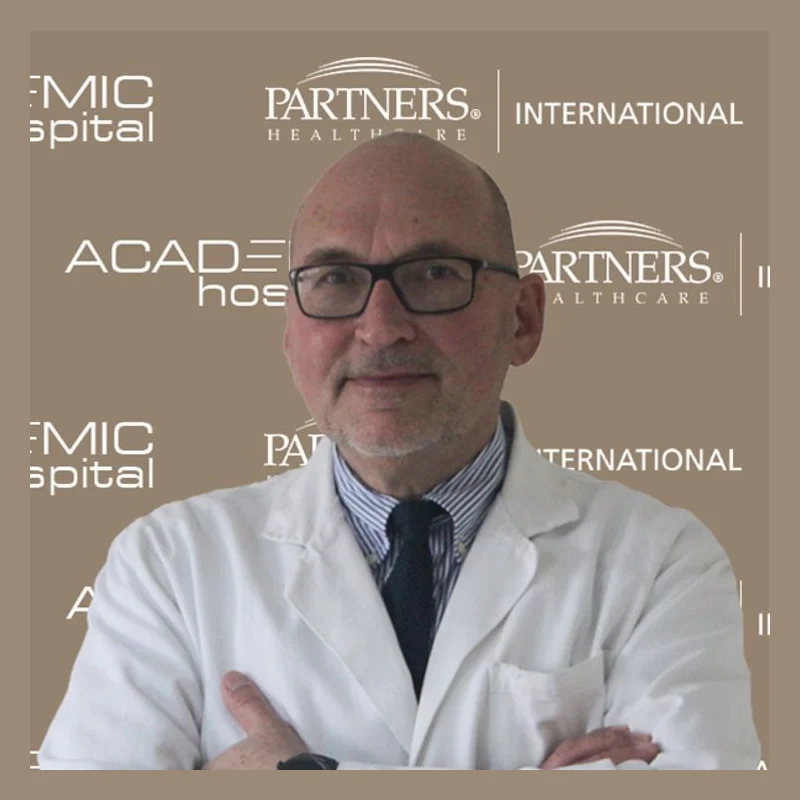
Prof. Dr. Turgay Çelikel
OncologyVerified
- 47+years exp.
English · Turkish
FromPrice on request
Free quote
60 seconds · no obligationView Profile
Haemolytic anaemia is a blood disorder where red blood cells are destroyed faster than the body can produce them. It can affect children and adults, with individuals seeking clinical attention for unexplained jaundice, extreme fatigue, paleness, or dark urine. Appropriate haematological management and medical therapy options depend on a specialist assessment to determine the underlying cause and severity. Compare hospitals in Turkey that treat Hemolytic Anemia and get a free review of your medical records.

1 doctor Compare doctors, ratings and prices — ask any of them for a free quote.
OncologyVerified
English · Turkish
60 seconds · no obligationView Profile
Haemolytic anaemia is a blood disorder where red blood cells are destroyed faster than the body can produce them. It can affect children and adults, with individuals seeking clinical attention for unexplained jaundice, extreme fatigue, paleness, or dark urine. Appropriate haematological management and medical therapy options depend on a specialist assessment to determine the underlying cause and severity.
Specialty: Oncology
The cost of treating Hemolytic Anemia depends on the diagnosis and the treatment chosen. Doctors first review your medical records — free of charge — and you then receive an itemised quote.
Hemolytic Anemia is treated by Oncology specialists. 2 clinics in Turkey on our platform offer this treatment.
Haemolytic anaemia is a blood disorder that occurs when red blood cells are destroyed faster than the bone marrow can produce new ones. Red blood cells normally survive in the bloodstream for around 120 days. In people with this condition, these cells rupture or break down prematurely, a process known as haemolysis. This rapid destruction reduces the total amount of oxygen carried to the body's tissues.
Haemolytic anaemia can be inherited, such as in sickle cell disease or thalassaemia, or acquired later in life due to autoimmune reactions, infections, certain medications, or mechanical heart valves. Depending on the underlying cause and how quickly red blood cells are lost, symptoms can range from mild to severe. Typical signs include:
Investigating complex blood disorders requires comprehensive evaluation by a specialist in oncology or clinical haematology. Hospitals in Turkey utilise structured diagnostic pathways to pinpoint the exact mechanism behind the cell destruction before recommending any intervention.
When traveling for specialized medical care, international patients undergo several diagnostic steps:
Patients planning a diagnostic review should bring all prior medical records, including previous blood test reports, complete medication history, bone marrow biopsy results (if previously performed), and any family history of genetic blood conditions.
Managing haemolytic anaemia depends on whether the condition is acute or chronic, intrinsic or extrinsic, and immune-mediated. Medical decisions are tailored individually after a haematologist reviews all laboratory findings.
| Option | Typically Used When | Things to Know |
|---|---|---|
| Corticosteroids / Immunosuppressants | Autoimmune haemolytic anaemia (AIHA) | First-line medical therapy to reduce immune system attack on red blood cells; requires ongoing monitoring for side effects. |
| Blood Transfusions | Severe, acute drops in haemoglobin or symptomatic anaemia | Provides immediate temporary relief; must be carefully cross-matched, especially if autoantibodies are present. |
| Splenectomy | Severe cases unresponsive to medication, or specific inherited disorders | Surgical removal of the spleen, often coordinated with general surgery teams, reduces premature cell filtration. |
| Targeted Therapies | Refractory autoimmune cases or specific secondary causes | Monoclonal antibodies or targeted biologic agents may be prescribed to control underlying cell destruction. |
In cases where underlying health issues contribute to blood changes, patients may receive coordinated consultations from departments such as gastroenterology for liver and spleen monitoring, endocrinology for metabolic support, or paediatrics when managing young children with hereditary blood disorders.
Seeking specialized medical attention abroad requires careful preparation. Before traveling, international patients should submit their complete medical file for a preliminary documentation review. This helps the clinical team determine if further specialized testing is required upon arrival.
Patients should plan to stay in Turkey for at least 7 to 14 days, depending on whether care involves outpatient medication adjustments or hospital monitoring. If surgical intervention, such as a splenectomy, is required, an extended stay may be necessary to ensure safe recovery and fit-to-fly clearance. Long-term management requires clear communication between the treating physician in Turkey and the patient's primary doctor at home to ensure continuous care and regular monitoring of blood counts.
Air travel and international trips carry inherent risks for individuals with low haemoglobin or active haemolysis. Hypoxia at high altitudes can worsen symptoms, and severe fatigue may increase the risk of deep vein thrombosis. Travel should be postponed if haemoglobin levels are critically low or rapidly declining.
Immediate, urgent local medical care is necessary if you experience any of the following warning signs:
Always consult your primary care doctor and treating specialist to confirm that your condition is stable before making any international travel plans.
Whether haemolytic anaemia can be cured depends on its cause. Acquired forms caused by infections or specific medications may resolve completely once the trigger is managed. Inherited forms or chronic autoimmune conditions usually require long-term management rather than a definitive cure. Treating doctors determine realistic outcomes after thorough diagnostic evaluation.
Most diagnostic evaluations and initial treatment plans for haemolytic anaemia require a stay of 7 to 14 days. This allows sufficient time for comprehensive blood testing, specialist consultations, initial treatment response monitoring, and final clearance from the medical team before your return journey.
Flying is generally safe if your blood counts are stable and haemoglobin levels are within an acceptable range determined by your physician. However, flying with severely low haemoglobin carries risks due to reduced oxygen levels in aircraft cabins. You must obtain explicit clearance from your doctor before traveling.
You should compile a full portfolio of recent complete blood counts, peripheral blood smears, liver function tests, previous hospital discharge summaries, and a comprehensive list of all current prescription medications. Bringing your family medical history regarding blood disorders is also highly beneficial.
Before discharge, your treating medical team in Turkey provides a detailed medical report and recommended treatment plan. Your local haematologist or general practitioner will monitor your ongoing blood counts, manage medication dosages, and communicate with the international clinical team if secondary opinions are needed.
Your request is in!
Your coordinator will contact you — usually within 2 hours, 24/7.
Want a faster, more accurate assessment?
Add photos & medical detailsLeave your number — a coordinator calls you in your language, usually within 15 minutes during office hours.
Thank you!
A coordinator will contact you at the time you chose.

