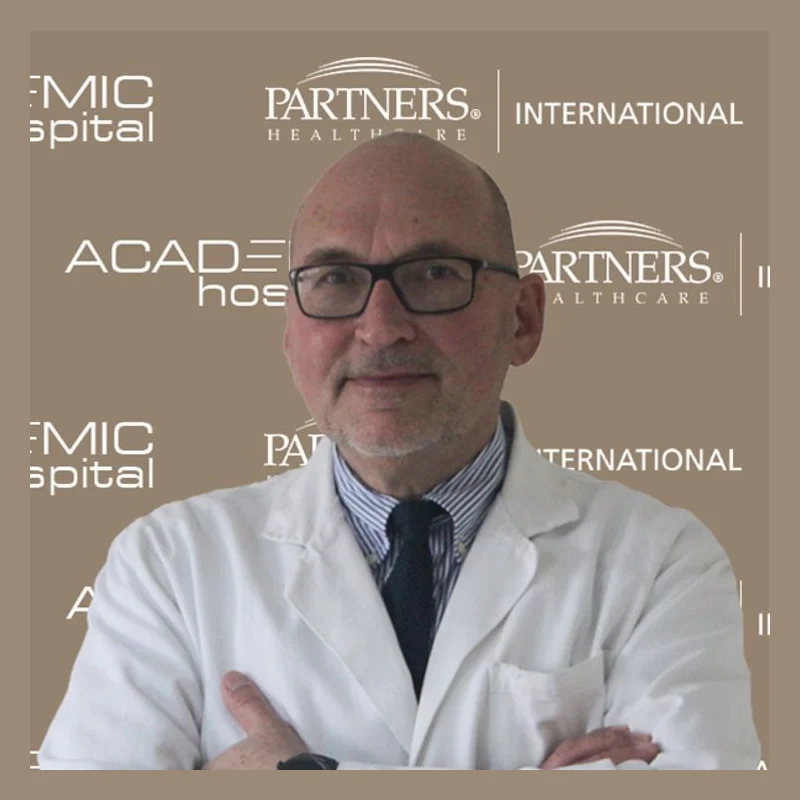
Prof. Dr. Turgay Çelikel
OncologyVerified
- 47+years exp.
English · Turkish
FromPrice on request
Free quote
60 seconds · no obligationView Profile
Primary immunodeficiency encompasses a group of genetic conditions where parts of the immune system are missing or fail to function properly. It affects both children and adults, frequently causing recurrent, unusually severe infections, digestive problems, or persistent fatigue that necessitate clinical investigation. Tailored long-term management and therapeutic options depend on a detailed specialist assessment. Compare hospitals in Turkey that treat Primary Immunodeficiency and get a free review of your medical records.

1 doctor Compare doctors, ratings and prices — ask any of them for a free quote.
OncologyVerified
English · Turkish
60 seconds · no obligationView Profile
Primary immunodeficiency encompasses a group of genetic conditions where parts of the immune system are missing or fail to function properly. It affects both children and adults, frequently causing recurrent, unusually severe infections, digestive problems, or persistent fatigue that necessitate clinical investigation. Tailored long-term management and therapeutic options depend on a detailed specialist assessment.
Specialty: Oncology
The cost of treating Primary Immunodeficiency depends on the diagnosis and the treatment chosen. Doctors first review your medical records — free of charge — and you then receive an itemised quote.
Primary Immunodeficiency is treated by Oncology specialists. 2 clinics in Turkey on our platform offer this treatment.
Primary Immunodeficiency (PID) encompasses a diverse group of over 400 rare, inherited disorders where the immune system lacks essential components or functions improperly. Unlike secondary immunodeficiencies caused by external factors such as malnutrition or viruses, PID stems from intrinsic genetic variations affecting white blood cells, antibodies, or proteins like the complement system.
Because the body's natural defences are compromised, both children and adults with PID experience heightened vulnerability to pathogens. Symptoms vary depending on the specific pathway affected, but clinical indicators typically include:
Accurate diagnosis relies on specialized immunological testing to pinpoint the exact defect. Patients travelling to Turkey for diagnostic evaluation undergo structured investigations conducted in advanced hospital laboratories. Having a comprehensive medical background helps specialists streamline this process.
diagnostic pathways usually include:
Patients must bring complete medical records, including past infection histories, previous laboratory results, reports on current antimicrobial treatments, and family health histories.
Management of PID focuses on preventing infections, replacing missing immune components, and treating active complications. The choice of therapeutic strategy depends on the specific PID subtype and overall patient health. Complex cases involving cell line dysregulation may involve multidisciplinary care with Oncology or haematology teams.
| Option | Typically Used When | Things to Know |
|---|---|---|
| Immunoglobulin Replacement Therapy (IRT) | Patients have antibody deficiencies (e.g., Agammaglobulinemia, CVID). | Administered intravenously (IVIG) or subcutaneously (SCIG); requires life-long regular intervals. |
| Prophylactic Antimicrobials | Preventing recurrent bacterial, fungal, or viral infections. | Involves low-dose antibiotics or antifungals; requires ongoing monitoring for antibiotic resistance. |
| Hematopoietic Stem Cell Transplant (HSCT) | Severe forms like Severe Combined Immunodeficiency (SCID). | A complex procedure aimed at replacing the defective immune system; requires compatible donors. |
| Biologic & Immunomodulatory Therapies | PID with secondary autoimmune or inflammatory complications. | Targeted medications that help regulate immune responses and suppress systemic tissue inflammation. |
Travelling abroad for PID management requires meticulous coordination to minimize health risks during transit and care. Initial stages begin with a thorough remote review of existing clinical records by the medical team. This initial assessment determines whether travel is appropriate and helps establish an efficient itinerary.
Patients should plan to stay in Turkey for 1 to 3 weeks depending on the required procedures—such as diagnostic workups, initiating immunoglobulin infusions, or stabilizing therapy protocols. Stem cell therapies require significantly longer stays lasting several months. Comprehensive Check-ups & Diagnostics are conducted upon arrival to confirm health stability before commencing any treatment.
Before returning home, the clinical team establishes a detailed care plan. This includes coordination with the patient's local physician to oversee long-term therapy administration, regular blood monitoring, and prompt treatment of breakthrough infections.
International travel poses significant risks for individuals with unstable immune systems. Patients should postpone travel if they have an active, uncontrolled infection, severe respiratory compromise requiring supplemental oxygen, or recent unstable gastrointestinal bleeding. Individuals recovering from major surgical procedures should also defer travel until full clinical clearance is granted by their physician.
If a patient experiences high fever, acute shortness of breath, severe vomiting, severe confusion, or signs of systemic sepsis, international travel must be halted immediately, and local urgent medical care sought straight away.
Primary Immunodeficiency refers to a group of genetic conditions where the immune system lacks essential cells or components. This defect makes affected individuals significantly more susceptible to frequent, severe, or recurrent infections and autoimmune issues.
A diagnostic evaluation or initial therapy setup usually requires 1 to 3 weeks. However, complex treatments such as stem cell transplantation require extended stays of several months for conditioning, treatment, and initial recovery.
You should provide complete historical medical records, previous laboratory test results, details of past and current infections, vaccination records, current medication lists, and any previous genetic testing reports.
Certain types of Primary Immunodeficiency, such as Severe Combined Immunodeficiency, may be cured through a successful stem cell transplant. Other forms are managed as lifelong conditions using regular immunoglobulin replacement and preventative therapies.
Patients should avoid crowded spaces, wear suitable face masks, maintain strict hand hygiene, and keep quick-access antimicrobial medications ready as prescribed by their physician to manage any sudden symptoms during travel.
Your request is in!
Your coordinator will contact you — usually within 2 hours, 24/7.
Want a faster, more accurate assessment?
Add photos & medical detailsLeave your number — a coordinator calls you in your language, usually within 15 minutes during office hours.
Thank you!
A coordinator will contact you at the time you chose.

