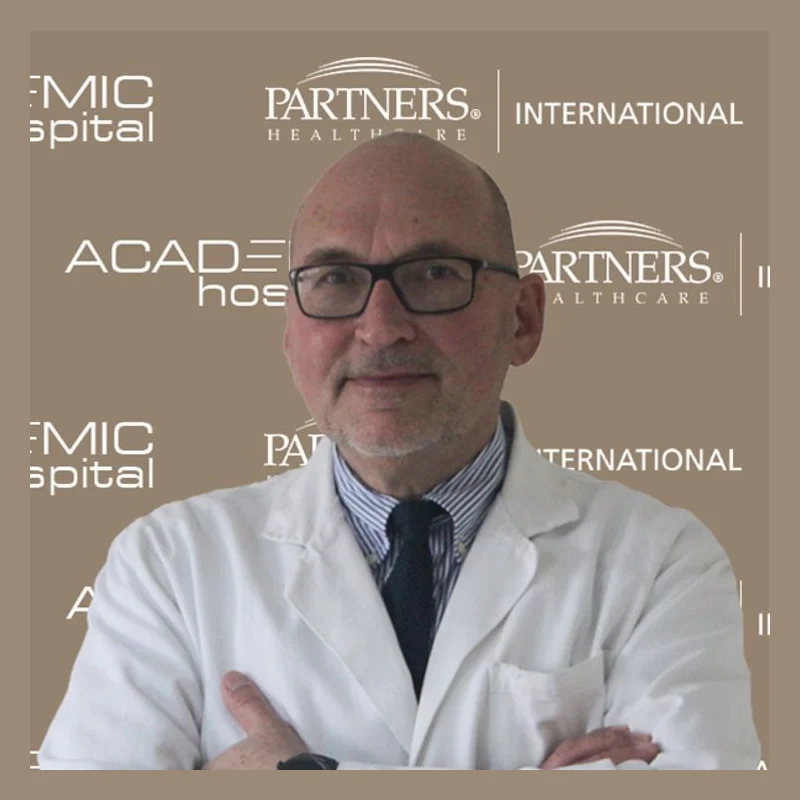
Prof. Dr. Turgay Çelikel
OncologyVerified
- 47+years exp.
English · Turkish
FromPrice on request
Free quote
60 seconds · no obligationView Profile
Ovarian cancer develops when abnormal cells multiply within the ovaries or fallopian tubes. It most commonly affects women over the age of menopause. Persistent abdominal bloating, pelvic discomfort, feeling full quickly, and changes in bowel habits frequently bring individuals to seek medical advice. Appropriate treatment options depend on a comprehensive specialist assessment. Compare hospitals in Turkey that treat Ovarian Cancer and get a free review of your medical records.

1 doctor Compare doctors, ratings and prices — ask any of them for a free quote.
OncologyVerified
English · Turkish
60 seconds · no obligationView Profile
Ovarian cancer develops when abnormal cells multiply within the ovaries or fallopian tubes. It most commonly affects women over the age of menopause. Persistent abdominal bloating, pelvic discomfort, feeling full quickly, and changes in bowel habits frequently bring individuals to seek medical advice. Appropriate treatment options depend on a comprehensive specialist assessment.
Specialty: Oncology
Depending on the stage and your medical history, doctors may recommend:
The cost of treating Ovarian Cancer depends on the diagnosis and the treatment chosen. Doctors first review your medical records — free of charge — and you then receive an itemised quote.
Options may include Ovarian Cancer Surgery, Radiation Therapy for Ovarian Cancer, Chemotherapy for Ovarian Cancer, Comprehensive Diagnosis for Ovarian Cancer. Your doctor chooses the approach after reviewing your tests and scans.
Ovarian Cancer is treated by Oncology specialists. 2 clinics in Turkey on our platform offer this treatment.
Ovarian cancer occurs when abnormal cells grow uncontrollably in the ovaries, fallopian tubes, or peritoneum. It is most frequently diagnosed in women who have passed menopause, though it can occur at any age. In its early stages, the condition often presents with subtle or non-specific signs, which can lead to delayed detection.
Patients experiencing persistent symptoms for more than a few weeks should seek a formal medical evaluation. Common indicators include:
Because these symptoms overlap with common gastrointestinal conditions, comprehensive investigations by specialists in gynaecology and oncology are essential to confirm or rule out a malignant diagnosis.
Accurate diagnosis requires a combination of imaging, laboratory tests, and histological examination. When evaluating international patients, hospitals in Turkey typically perform a structured diagnostic workup to confirm the exact type and stage of the disease.
Standard investigations usually include high-resolution transvaginal and pelvic ultrasound scans, alongside contrast-enhanced computed tomography (CT) or magnetic resonance imaging (MRI) of the abdomen and pelvis. Blood tests measuring tumour markers, such as CA 125, are performed to provide baseline data, although elevated levels alone do not definitively prove cancer. A definitive diagnosis is established through tissue biopsy or pathological examination of tissues removed during surgery.
Before travelling abroad, patients must gather complete medical documentation to allow overseas teams to review the case efficiently. Essential records to bring include:
Management depends heavily on the stage of the disease, the specific cell type (such as epithelial, germ cell, or stromal), and the patient's general health. Multidisciplinary medical teams tailor the plan following a thorough evaluation of diagnostic findings.
| Option | Typically Used When | Things to Know |
|---|---|---|
| Cytoreductive Surgery | Most stages of epithelial ovarian cancer, aimed at removing all visible tumour tissue. | May involve removing the ovaries, uterus, fallopian tubes, omentum, and affected surrounding organs; performed by specialists in general surgery or gynaecologic oncology. |
| Systemic Chemotherapy | Adjuvant (after surgery) to kill residual cells, or neoadjuvant (before surgery) to shrink tumours. | Administered in cycles; requires regular monitoring of blood counts, kidney function, and liver parameters. |
| Targeted Therapy | Specific advanced cases or recurrence, often guided by genetic testing (e.g., BRCA status). | Uses specific medications to block cancer cell growth; suitability is determined by specialized laboratory testing. |
| Fertility-Sparing Surgery | Very early-stage disease in younger patients who wish to preserve childbearing potential. | Only suitable for specific, low-grade, early tumours; requires careful ongoing surveillance by specialists in IVF & fertility and oncology. |
In cases where disease spread involves chest structures, joint management involving pulmonology & thoracic surgery may be required to evaluate pleural fluid or manage thoracic involvement.
Travelling abroad for complex oncological care requires meticulous coordination. The process begins with a remote document review, where the hospital's medical board assesses your medical history to determine if travel is appropriate and safe. If accepted, an initial consultation and repeating of vital diagnostics are scheduled upon arrival.
Patients traveling for major abdominal surgery should plan an extended stay. A typical itinerary involves 1 to 2 weeks of inpatient hospital care post-operatively, followed by an additional 2 to 3 weeks of local recovery near the hospital before receiving clearance to fly home. If systemic chemotherapy is recommended, patients may choose to receive initial cycles abroad or return home with a detailed treatment plan coordinated between the foreign hospital and their local oncologist.
Prior to departure, international patients should ensure they receive copies of all discharge summaries, operative reports, final pathology results, and treatment protocols translated into English.
Long-distance travel carries physical stress and is not suitable for every individual. Patients with severe, unmanaged ascites (fluid accumulation in the abdomen), bowel obstruction, severe anemia, severe respiratory distress, or deep vein thrombosis (DVT) should not undertake international flights until these complications are stabilized.
Seek immediate medical care locally if you experience any of the following urgent warning signs:
You should provide clear digital copies of recent CT, MRI, or PET scans, pathology reports from previous biopsies, recent blood test results including CA 125, complete operation notes from prior surgeries, and a detailed summary of your overall health and current medications.
Most patients need to remain in the country for approximately 3 to 4 weeks. This timeframe typically includes pre-operative assessments, hospital stay following surgery, and mandatory outpatient recovery monitoring before your medical team clears you for international flight.
Yes. Many international patients receive their surgical care or initial chemotherapy cycles in Turkey, then return home for subsequent cycles. Your treating oncologist will provide a standardized protocol and detailed records to help your local medical team continue care seamlessly.
The final plan is decided by a multidisciplinary tumor board after reviewing your complete medical history and confirming diagnostic findings with on-site tests. The treating doctor makes all final decisions in direct consultation with you based on your specific disease stage and health status.
No. Flying immediately after abdominal surgery increases the risk of deep vein thrombosis, wound complications, and tissue swelling due to cabin pressure changes. You must remain locally until your surgeon conducts a post-operative check and formally certifies that you are safe to fly.
Your request is in!
Your coordinator will contact you — usually within 2 hours, 24/7.
Want a faster, more accurate assessment?
Add photos & medical detailsLeave your number — a coordinator calls you in your language, usually within 15 minutes during office hours.
Thank you!
A coordinator will contact you at the time you chose.

