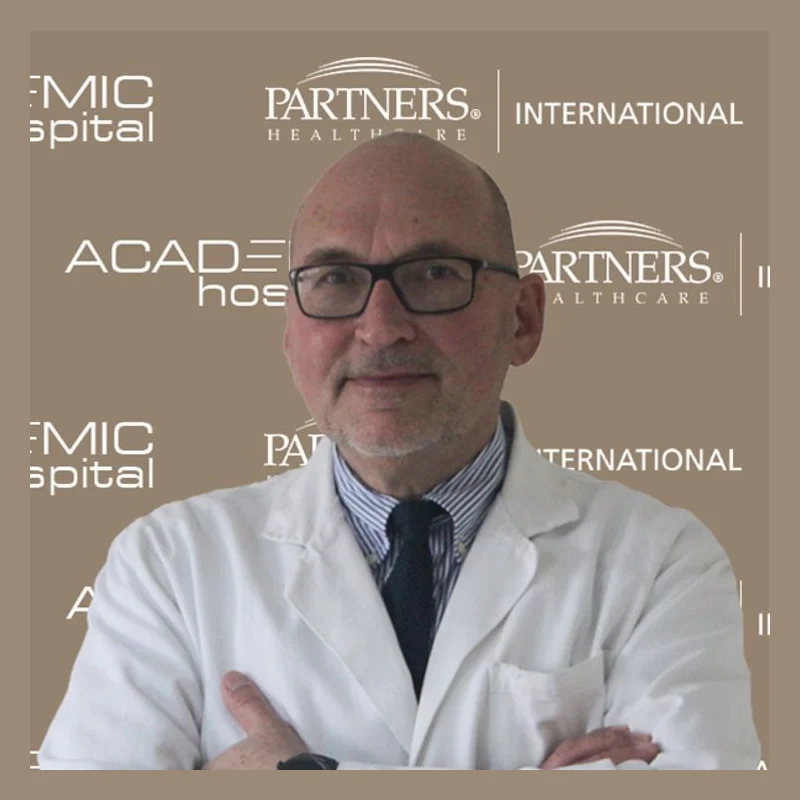
Prof. Dr. Turgay Çelikel
OncologyVerified
- 47+years exp.
English · Turkish
FromPrice on request
Free quote
60 seconds · no obligationView Profile
Liver cancer is a malignant condition characterised by the abnormal growth of cancerous cells in the liver tissue. It often affects individuals with existing liver disease, causing symptoms such as jaundice, abdominal swelling, fatigue, and nausea. Patients looking into healthcare abroad should recognise that appropriate treatment options depend on an extensive specialist assessment and liver function tests. Compare hospitals in Turkey that treat Liver Cancer and get a free review of your medical records.

1 doctor Compare doctors, ratings and prices — ask any of them for a free quote.
OncologyVerified
English · Turkish
60 seconds · no obligationView Profile
Liver cancer is a malignant condition characterised by the abnormal growth of cancerous cells in the liver tissue. It often affects individuals with existing liver disease, causing symptoms such as jaundice, abdominal swelling, fatigue, and nausea. Patients looking into healthcare abroad should recognise that appropriate treatment options depend on an extensive specialist assessment and liver function tests.
Specialty: Oncology
Depending on the stage and your medical history, doctors may recommend:
The cost of treating Liver Cancer depends on the diagnosis and the treatment chosen. Doctors first review your medical records — free of charge — and you then receive an itemised quote.
Options may include Removal of Liver Cancer, Chemotherapy for Liver Cancer, Radioembolization for Liver Cancer, Comprehensive Diagnosis for Liver Cancer. Your doctor chooses the approach after reviewing your tests and scans.
Liver Cancer is treated by Oncology specialists. 2 clinics in Turkey on our platform offer this treatment.
Liver cancer is a complex malignancy that primarily develops in the cells of the liver (hepatocellular carcinoma) or within the bile ducts (cholangiocarcinoma). It frequently occurs alongside underlying liver conditions such as chronic hepatitis B or C infections, cirrhosis, non-alcoholic fatty liver disease, or prolonged alcohol exposure. Because the liver has a significant functional reserve, early-stage tumors often produce no noticeable warnings.
As the disease progresses, patients may experience specific clinical symptoms, including:
Managing this condition requires specialized oversight from a dedicated oncology team, often working in coordination with specialists in gastroenterology and general surgery.
Accurate staging and liver function assessment are crucial before any therapeutic plan can be established. When evaluating international patients, medical teams in Turkey conduct thorough diagnostic reviews to confirm the tumor's size, location, and spread, as well as the overall health of the remaining liver tissue.
Diagnostic evaluations typically include high-resolution multiphase CT scans or contrast-enhanced MRI, blood tests measuring tumor markers like Alpha-Fetoprotein (AFP), and liver function panels (Child-Pugh scoring). Diagnostic procedures available through check-ups & diagnostics programs help clinicians evaluate vascular invasion and tissue background.
Before traveling abroad, patients should gather and transmit complete medical documentation to the target clinic, including:
The choice of intervention depends heavily on the stage of the tumor, overall liver reserve, and the patient's general functional status. Treatment strategies are determined by the multidisciplinary medical team after reviewing all diagnostic data.
| Option | Typically used when | Things to know |
|---|---|---|
In complex cases involving thoracic complications or chest wall involvement, consultations with pulmonology & thoracic surgery specialists may also be integrated into the care plan.
Traveling for complex cancer treatment requires meticulous logistical planning. Initial steps involve a preliminary remote evaluation of your transferred records by an oncologist to determine whether traveling is clinically appropriate. If acceptable, an initial travel itinerary is established.
Patients should plan to remain in Turkey for several weeks depending on the intervention. Minimally invasive procedures like ablation or TACE may require a stay of 7 to 10 days for administration and initial monitoring. Major procedures like liver resection require extended stays of 3 to 4 weeks, including inpatient hospital admission and close outpatient monitoring before safe travel home is permitted.
Before discharge, your treating medical team will provide formal clinical summaries, treatment logs, and post-procedure imaging. Continuity of care is vital; local primary care doctors or home oncologists must be briefed to manage ongoing surveillance, prescription refills, and routine blood tests.
Travel is not advisable for all patients. Flying presents serious medical risks for individuals with severe, decompensated liver failure, active gastrointestinal bleeding from esophageal varices, severe uncontrolled ascites, or unmanaged systemic infections. Air travel can exacerbate abdominal distension and increase the risk of deep vein thrombosis.
Patients must seek immediate local emergency medical attention if they experience any of the following warning signs at home or during travel:
The required length of stay depends entirely on the recommended treatment modality. Minimally invasive treatments like chemoembolisation (TACE) or ablation typically require 7 to 10 days for evaluation, the procedure, and early recovery. Major surgical resections demand 3 to 4 weeks to manage post-operative healing and ensure safety before flying.
Yes, but the presence of cirrhosis significantly influences which options are safe. Treatment selection relies heavily on your liver function score (such as Child-Pugh class). Interventions like targeted therapies, ablation, or TACE may be preferred over major surgery if liver reserve is compromised, as determined by your treating physician.
You should supply original DICOM files of recent CT or MRI scans, up-to-date blood work including liver function tests and tumor markers (AFP), viral hepatitis screening results, pathology reports from any prior biopsies, and a detailed clinical summary from your current treating oncologist.
No, immediate travel is not recommended. Following liver surgery or arterial procedures, patients require close monitoring for internal bleeding, fluid shifts, or liver dysfunction. Your surgical team will perform post-procedure imaging and physical checks before issuing a formal fit-to-fly clearance.
Before leaving Turkey, you will receive written reports, treatment details, and imaging on portable media. Your local oncologist or primary physician must take over long-term monitoring, which includes regular blood work, physical exams, and surveillance scans according to the schedule outlined by your international medical team.
Your request is in!
Your coordinator will contact you — usually within 2 hours, 24/7.
Want a faster, more accurate assessment?
Add photos & medical detailsLeave your number — a coordinator calls you in your language, usually within 15 minutes during office hours.
Thank you!
A coordinator will contact you at the time you chose.

