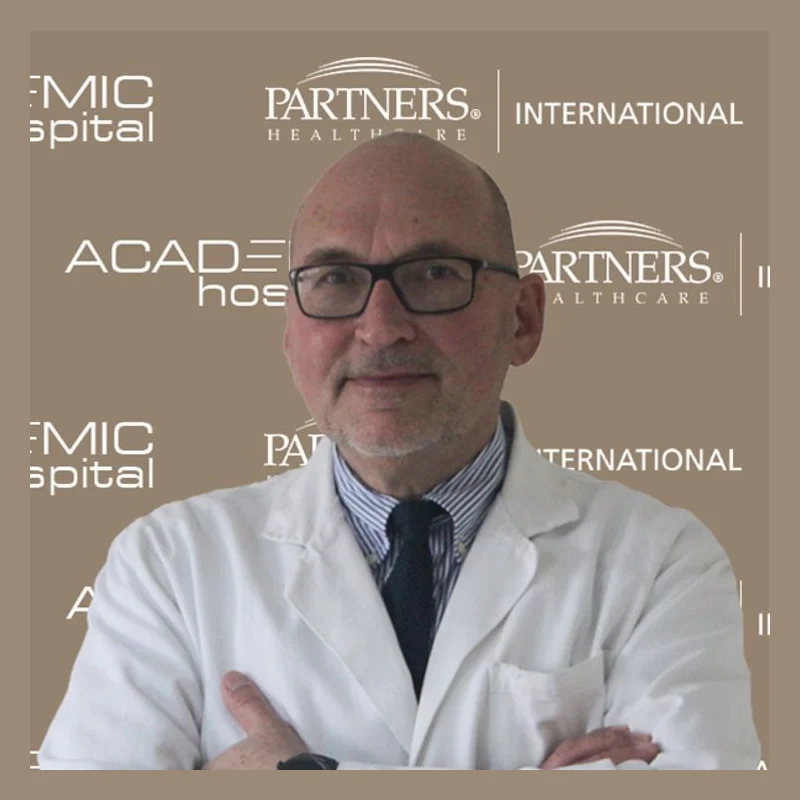
Prof. Dr. Turgay Çelikel
OncologyVerified
- 47+years exp.
English · Turkish
FromPrice on request
Free quote
60 seconds · no obligationView Profile
Cancer surgery in Turkey encompasses specialised operative procedures to remove solid tumours and affected tissues. International patients can access thorough diagnostic work-ups, multidisciplinary tumour board evaluations, and surgical planning. This guide explains common oncological operations, typical travel and recovery timelines, hospital standards to assess, and how to request a comprehensive medical plan.
A written plan with the surgeon's name and the full price — usually within 24 hours.

1 doctor Compare doctors, ratings and prices — ask any of them for a free quote.
OncologyVerified
English · Turkish
60 seconds · no obligationView Profile
Surgical oncology focuses on the physical removal of solid tumours, regional lymph nodes, and occasionally surrounding margins of tissue to control or excise malignancy. Within broader Oncology treatments in Turkey, surgical intervention often forms the primary curative or debulking measure, depending on the stage and nature of the disease.
Surgical approaches differ considerably based on anatomical location and tumour behaviour. Interventions span multiple anatomical systems:
Techniques vary between open procedures, minimally invasive laparoscopic access, and robotic-assisted surgery. The method selected depends directly on tumour size, involvement of adjacent vascular structures, and the patient's general physiological reserve.
Not every malignancy is amenable to operative excision. Surgery is typically considered when imaging indicates that a tumour is resectable—meaning it can be removed with clear margins without causing unacceptable damage to vital structures—and when distant spread is either absent or limited.
Choosing the correct intervention requires an evaluation by a multidisciplinary tumour board. Pathologists, medical oncologists, radiation specialists, and surgical oncologists review diagnostic scans and biopsy results collaboratively. In some circumstances, neoadjuvant chemotherapy or radiotherapy is administered first to reduce tumour volume before an operation is attempted. In others, upfront surgery provides tissue diagnosis and definitive staging. Patients must possess adequate heart, lung, and renal function to tolerate general anaesthesia and extensive wound healing.
Undergoing major oncological surgery in another country requires detailed logistical planning. Patients typically arrive in Turkey several days before their scheduled procedure to undergo repeat blood tests, cross-sectional imaging (such as CT, MRI, or PET-CT), and consultations with anaesthetists and surgical teams.
Hospital stays vary widely. A minor resection or lumpectomy may require only one to two nights in the hospital, whereas major pelvic, thoracic, or pancreatic resections often involve several days in an intermediate or intensive care unit followed by a week or more on a surgical ward. Overall, international patients should expect to remain in Turkey for two to four weeks. Flying home is only safe once surgical drains are removed, wound breakdown risks diminish, and the danger of deep vein thrombosis is evaluated.
Recovery continues long after returning home. Many patients require adjuvant therapy, such as chemotherapy or targeted treatments, which must be coordinated with home physicians once final surgical pathology reports are translated and issued.
Because oncological procedures vary significantly in complexity, pricing is determined on an individual basis. Key factors include the anatomical site and the technical difficulty of the resection. Minimally invasive or robotic-assisted options incur distinct consumable costs compared to open approaches.
Hospital stays also impact overall expenditure. Surgeries requiring prolonged stays in intensive care, blood transfusions, complex pathology assessments, or extended use of intravenous medications naturally cost more. Furthermore, if reconstructive plastic surgery is performed simultaneously—such as tissue flaps or implants following breast or head and neck surgery—the involvement of multiple surgical teams influences the financial scope.
Patients considering overseas oncology care must carefully assess clinical standards. Reputable centres often hold international accreditations, such as JCI (Joint Commission International), or local academic hospital affiliations that ensure strict infection control, blood banking, and emergency protocols.
When reviewing a surgeon, check their core specialty and their specific case volume for your particular procedure. A dedicated thoracic or hepatobiliary surgeon will have different clinical expertise than a general surgeon. Inquire whether the centre holds regular, documented tumour board meetings, and confirm that an intensive care unit is available on-site to handle acute complications.
Organising care begins with a thorough documentation review. You can submit your existing medical history, biopsy notes, and recent imaging files to request a free quote. Our team coordinates directly with partner hospitals in Turkey, where surgical oncology teams evaluate your eligibility.
You will receive a clear, written proposal detailing the suggested operative approach, estimated duration of hospitalisation, recommended recovery stay in the country, and associated expenses. Once agreed, arrangements for consultations, hospital admission, and translation services are prepared before your departure, giving you transparency and peace of mind.
Most patients stay between two and four weeks. This timeframe accounts for preoperative tests, the hospital admission, and an outpatient recovery window where doctors monitor wound healing, remove surgical drains, and ensure you are stable enough for air travel.
Yes. Comprehensive cancer centres provide multimodal care, including neoadjuvant or adjuvant chemotherapy and radiation. However, long treatment protocols often require several months abroad, so many patients choose to have surgery in Turkey and return home for systemic therapy.
Major hospitals in Turkey have fully staffed intensive care units, emergency departments, and interventional radiology teams to handle immediate postoperative complications on-site. Follow-up reviews take place before discharge, and you will receive comprehensive documentation to share with doctors in your home country.
Yes. International patient departments provide translated medical summaries, operative notes, and histopathology reports in English. These documents are vital so your local oncologists can understand margin status, lymph node involvement, and pathology stages for continued management.
Yes, having an adult companion is strongly recommended. Major oncological surgery is physically demanding, and having a family member or friend provides emotional support and practical assistance during your hospital stay and hotel recovery period.
Eligibility is determined by a surgical oncologist and multidisciplinary tumour board reviewing your recent diagnostic imaging (CT, MRI, or PET scans) and biopsy reports. They assess whether the mass can be completely excised without excessive risk to surrounding organs.
Your request is in!
Your coordinator will contact you — usually within 2 hours, 24/7.
Want a faster, more accurate assessment?
Add photos & medical detailsLeave your number — a coordinator calls you in your language, usually within 15 minutes during office hours.
Thank you!
A coordinator will contact you at the time you chose.

