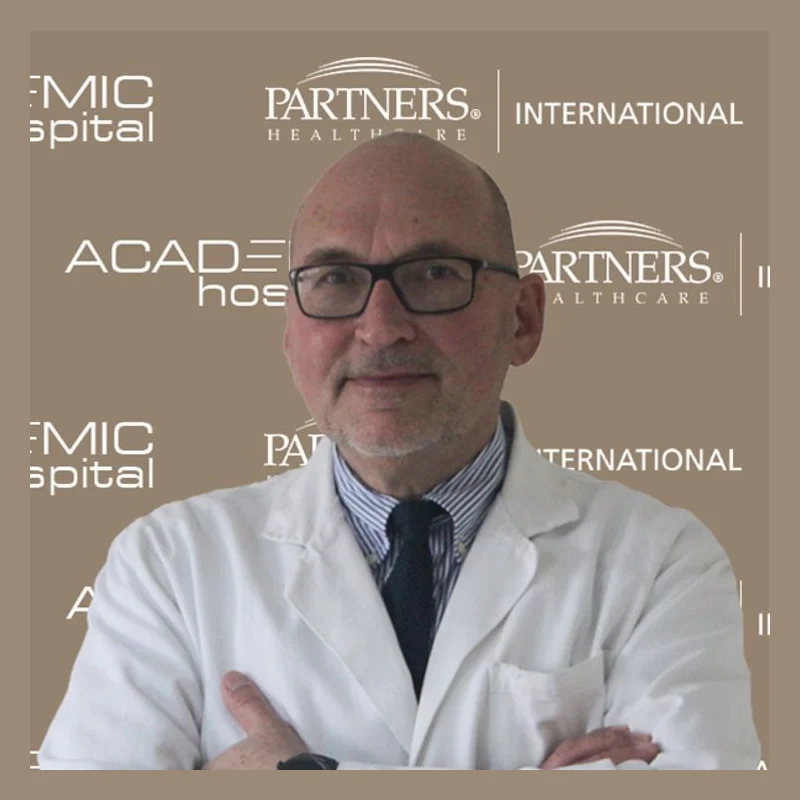
Prof. Dr. Turgay Çelikel
OncologyVerified
- 47+years exp.
English · Turkish
FromPrice on request
Free quote
60 seconds · no obligationView Profile
Cancer diagnostics in Turkey encompasses a variety of screening and testing protocols to identify malignant diseases early. This guide covers the different types of diagnostic packages available, how to evaluate your options, and what to expect when organising an oncology assessment abroad.
A written plan with the surgeon's name and the full price — usually within 24 hours.

1 doctor Compare doctors, ratings and prices — ask any of them for a free quote.
OncologyVerified
English · Turkish
60 seconds · no obligationView Profile
Cancer diagnostics involve systematic medical investigations to detect the presence of malignant cells, determine the extent of disease, or monitor an existing condition. In Turkey, diagnostic protocols are tailored to specific needs and areas of the body. General screening for cancer provides a broad overview of a patient's health, often used for early detection before symptoms appear. This includes general programmes such as early detection of malignant diseases for women, which focuses on female-specific risks.
More targeted approaches investigate specific organs or systems. For instance, complex diagnostics of breast cancer may include mammography, ultrasound, and biopsy, while PET-CT in breast cancer is utilised for staging and detecting metastasis. Other specialised packages include comprehensive diagnosis of lymphomas, which relies heavily on imaging and lymph node biopsy, and complex diagnosis of oral cancer or comprehensive diagnosis for laryngeal cancer, which involve endoscopic examinations.
For internal organs, clinics provide complex diagnostics of thyroid cancer, cervical cancer, esophageal cancer, kidney cancer, pancreatic cancer, and lung cancer. These organ-specific protocols utilise various imaging modalities, laboratory tests, and endoscopic procedures. Finally, complex oncology diagnostics represent comprehensive assessments for patients with suspected malignancies of unknown primary origin or those requiring extensive staging. If you are exploring broader oncology treatments in Turkey, accurate diagnosis is the essential first step.
These diagnostic services are intended for individuals experiencing unexplained symptoms, those with a family history of malignancy, or patients requiring routine screening based on their age and risk factors. Choosing the appropriate diagnostic pathway depends on your specific medical history and any symptoms you are currently experiencing.
For routine monitoring, a general screening for cancer may be sufficient. However, if a physician has identified an abnormality in a specific area, a targeted package, such as complex diagnostics of lung cancer or complex diagnosis of pancreatic cancer, is more appropriate. It is crucial to consult with a medical professional who can recommend the correct combination of tests based on your clinical presentation. Patients with a known diagnosis seeking a second opinion or comprehensive staging might opt for complex oncology diagnostics to ensure all aspects of the disease are documented before proceeding with oncology treatments in Turkey.
Travelling to Turkey for cancer diagnostics typically involves a shorter stay compared to surgical treatments, usually ranging from three to seven days, depending on the complexity of the tests. Upon arrival, patients attend initial consultations, followed by the scheduled imaging, laboratory work, or biopsies. Many hospitals provide international patient departments to assist with coordination and translation during your visits.
Recovery from diagnostic procedures is generally rapid. Non-invasive tests like MRI, CT, or PET-CT scans require no recovery time, allowing you to return to normal activities immediately. Invasive procedures, such as biopsies or endoscopies, may require a few hours of observation and can cause mild, temporary discomfort. You will usually receive your results and a proposed treatment plan before returning home, although some complex biopsy results may take longer to process.
The cost of cancer diagnostics varies depending on several factors. The primary element is the specific combination of tests included in your protocol. A general screening will differ in cost from a highly specialised assessment requiring advanced imaging technologies. Factors influencing the final cost include:
Additional services, such as translating medical documents, extended consultations, or follow-up appointments, may also be factored into the price. The type of facility and the technology and equipment utilised also contribute to the final cost.
When selecting a medical facility for cancer diagnostics, thorough research is essential. Look for hospitals that hold recognised international accreditations, which indicate adherence to specific standards of patient safety and care quality. Review the qualifications and experience of the oncology specialists and radiologists who will be interpreting your results.
Investigate the technology available at the clinic; modern, well-maintained diagnostic equipment is crucial for accurate results. Request information on the hospital's protocols for handling and analysing tissue samples. It is advisable to read patient reviews and verify that the medical team has experience in the specific type of cancer you are being screened for.
Organising your diagnostic trip begins with a clear understanding of your needs. By submitting an enquiry for a free quote, you initiate a structured process designed to provide you with all necessary information. We ask that you share your medical history, any current symptoms, and previous test results.
Our team then coordinates with suitable medical facilities to provide a comprehensive, written plan directly from the hospital. This plan details the recommended diagnostic procedures, the expected timeline, and a clear breakdown of the associated costs. You can review this information carefully, and we are available to answer any questions, ensuring you are fully informed before making a decision. You can request your free quote at any time to begin this process.
A comprehensive cancer diagnosis typically takes between three and seven days. The duration depends on the specific tests required; imaging and blood tests can be completed quickly, while biopsies and complex pathology reports may require additional time for analysis before a final consultation.
Yes, medical facilities catering to international patients routinely provide all diagnostic results, medical reports, and proposed treatment plans in English. If you require documentation in another language, professional medical translation services can usually be arranged through the hospital's international patient department.
You may need to repeat certain tests if the previous results are outdated, unclear, or if the specialist requires a more detailed image using newer technology. However, providing all recent scans and medical records before your arrival helps minimise unnecessary repetition.
A PET-CT scan is not always necessary. It is typically utilised when a malignancy is confirmed or highly suspected, particularly to check for metastasis or to stage the disease accurately. Your specialist will only recommend a PET-CT if it is clinically indicated for your specific condition.
The type of anaesthesia used for a biopsy depends on the location and nature of the procedure. Many biopsies, such as fine-needle aspirations, only require local anaesthesia. More invasive procedures, such as surgical or deep tissue biopsies, may require sedation or general anaesthesia for your comfort.
If a malignancy is detected, the multidisciplinary medical team will review your case and formulate a personalised treatment plan. This plan, which may include surgery, chemotherapy, or radiotherapy, will be discussed with you in detail, allowing you to decide on your next steps.
While you can travel alone for non-invasive diagnostic tests, having a companion is advisable, especially if you require procedures involving sedation or general anaesthesia. A companion can offer emotional support and assist with logistics while you await your test results and medical consultations.
Your request is in!
Your coordinator will contact you — usually within 2 hours, 24/7.
Want a faster, more accurate assessment?
Add photos & medical detailsLeave your number — a coordinator calls you in your language, usually within 15 minutes during office hours.
Thank you!
A coordinator will contact you at the time you chose.

