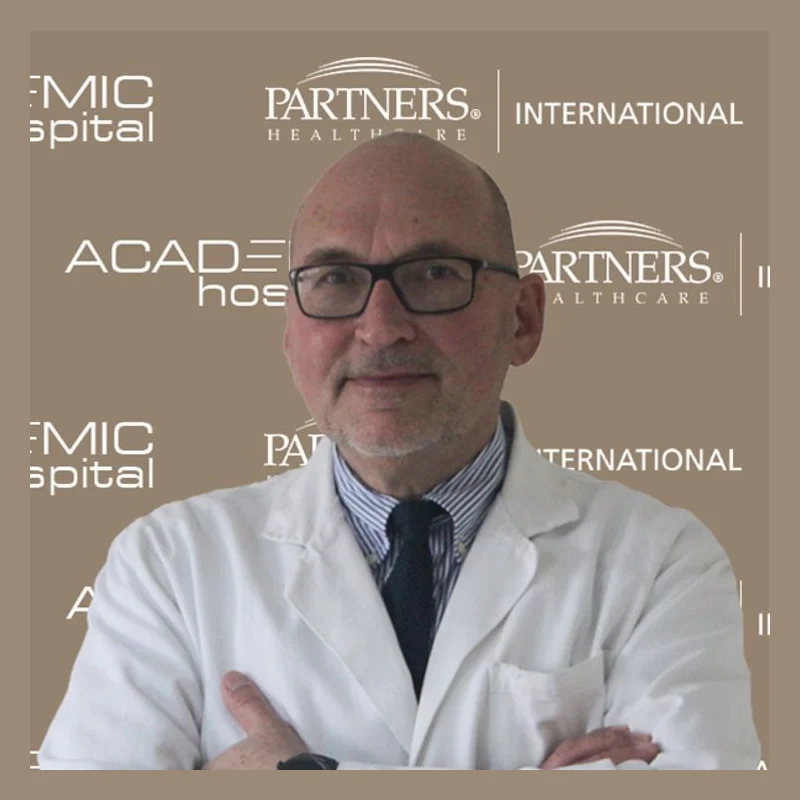
Prof. Dr. Turgay Çelikel
OncologyVerified
- 47+years exp.
English · Turkish
FromPrice on request
Free quote
60 seconds · no obligationView Profile
Turkey offers advanced radiotherapy and radiosurgery options for various cancer types, utilizing modern linear accelerators and stereotactic technologies. International patients receive comprehensive care plans, combining high-precision radiation delivery with professional medical coordination throughout their stay.
A written plan with the surgeon's name and the full price — usually within 24 hours.

1 doctor Compare doctors, ratings and prices — ask any of them for a free quote.
OncologyVerified
English · Turkish
60 seconds · no obligationView Profile
Radiation oncology relies on targeted ionizing radiation to destroy cancer cells and shrink tumours while sparing surrounding healthy tissue. Within modern cancer care, techniques are broadly divided into conventional external beam radiotherapy and high-precision radiosurgery. Both approaches play a vital role in comprehensive Oncology treatments in Turkey, offering non-invasive or minimally invasive alternatives to open surgery.
Conventional radiotherapy delivers fractional doses of radiation over several weeks. Methods such as Intensity-Modulated Radiation Therapy (IMRT) and Volumetric Modulated Arc Therapy (VMAT) shape the radiation beams to conform precisely to the tumour's three-dimensional outline. Advanced modalities like Tomotherapy integrate real-time computed tomography imaging to guide daily treatment delivery, ensuring exceptional accuracy for complex or hard-to-reach tumours.
Stereotactic radiosurgery (SRS) and Stereotactic Body Radiotherapy (SBRT), including technologies such as CyberKnife and Gamma Knife, deliver extremely high doses of radiation to precise targets in fewer sessions. Despite the name, radiosurgery involves no physical incision. Gamma Knife is typically reserved for brain lesions and cranial conditions, whereas CyberKnife utilises a robotic arm to treat tumours throughout the body, adjusting for patient movement in real time.
Selecting the most appropriate radiation modality depends on several clinical factors, including tumour type, size, location, and the patient's general health. During your initial evaluation, a multidisciplinary oncology team reviews past scans and biopsy results to determine whether radiosurgery, conventional radiation, or specialised options like brachytherapy or targeted radionuclide therapies are appropriate.
Patients should consult their primary oncologist and request a comprehensive review from a specialist board to evaluate the risks and potential benefits of each radiation method before finalizing a decision.
Medical travel for radiation treatment requires careful planning, as schedules vary significantly based on the chosen modality. Stereotactic radiosurgery typically requires one to five treatment sessions completed over a single week. Conversely, standard external beam radiotherapy usually involves daily sessions, Monday through Friday, extending over four to seven weeks.
Upon arriving in Turkey, patients undergo initial consultation, imaging simulation, and custom positioning preparation. Treatment sessions themselves are brief and painless, usually lasting between 15 and 45 minutes. Recovery depends heavily on the treatment site and individual tolerance. While radiosurgery often allows a quick return to light daily activities, extended radiotherapy protocols can cause cumulative fatigue, localized skin irritation, or temporary tissue inflammation that requires ongoing monitoring.
The total investment for radiation therapy varies considerably across different clinical presentations. Rather than relying on fixed figures, costs are calculated based on specific medical requirements and hospital protocols. Factors that influence overall expenses include:
The specific technology utilised, such as robotic radiosurgery versus standard linear accelerators, forms a primary basis for pricing. Additionally, the overall number of planned fractions, the complexity of three-dimensional dosimetry planning, required daily image guidance, and supportive care needs all affect the final expenditure. International travel arrangements, extended accommodation, and personal companion logistics should also be factored into travel budgets.
When selecting a treatment centre for advanced oncology, verifying clinical accreditation and safety standards is essential. International accreditations, such as Joint Commission International (JCI) certification, indicate that a facility meets rigorous global benchmarks for patient safety, hygiene, and clinical governance.
Review the qualifications of the treating radiation oncologists, medical physicists, and radiation therapists. Ensure the hospital maintains modern linear accelerators, robust quality-assurance protocols, and a multidisciplinary tumour board where surgeons, medical oncologists, and radiologists collaborate on patient cases. You can request a free quote and preliminary document review to understand how individual facilities approach your diagnosis.
Initiating care in Turkey begins with a thorough medical assessment conducted remotely. You can submit your recent medical records, pathology reports, and diagnostic imaging scans securely to receive a professional evaluation from qualified specialists.
Once the clinical team reviews your file, they provide a tailored treatment plan outlining the recommended radiotherapy technique, projected duration of stay, and an estimated schedule. To learn more about available options or to submit your medical details for clinical review, request a free quote today. Our team assists with document transfer, hospital coordination, and logisitical planning to ensure a seamless medical journey.
Radiotherapy delivers smaller doses of radiation over multiple daily sessions spanning several weeks. Radiosurgery delivers highly concentrated radiation doses to a precise area in one to five sessions, requiring no surgical incisions.
The stay depends on the protocol. Stereotactic radiosurgery often requires 5 to 10 days, including planning and follow-up. Standard external beam radiotherapy requires 4 to 7 weeks of daily treatments.
The delivery of radiation is completely painless, similar to receiving a standard X-ray. However, patients may experience side effects such as skin tightness, mild inflammation, or fatigue as treatment progresses.
Hospitals use real-time image guidance, motion-tracking software, and custom positioning molds. Medical physicists calculate exact doses to maximize impact on the target while preserving healthy surrounding tissue.
Yes, radiotherapy is frequently combined with chemotherapy, immunotherapy, or surgery. Your multidisciplinary medical team in Turkey will evaluate your complete medical history to design a safe, integrated care plan.
You should provide complete pathology reports, recent MRI or CT scans in DICOM format, details of previous treatments, and a summary of your current health status from your home physician.
Your request is in!
Your coordinator will contact you — usually within 2 hours, 24/7.
Want a faster, more accurate assessment?
Add photos & medical detailsLeave your number — a coordinator calls you in your language, usually within 15 minutes during office hours.
Thank you!
A coordinator will contact you at the time you chose.

