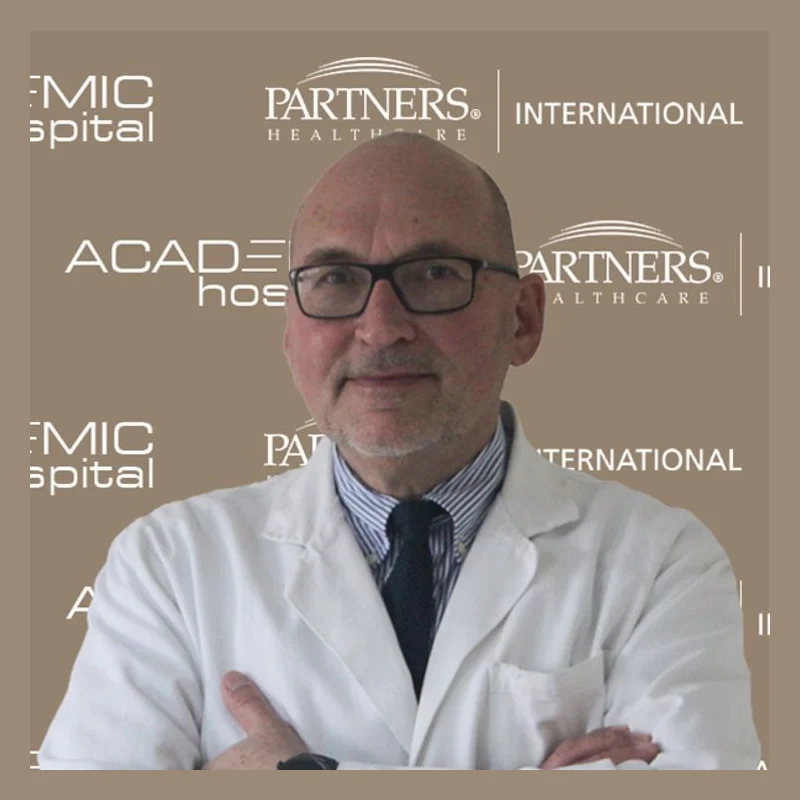
Prof. Dr. Turgay Çelikel
OncologyVerified
- 47+years exp.
English · Turkish
FromPrice on request
Free quote
60 seconds · no obligationView Profile
A guide to haematology and bone marrow transplant in Turkey: bone marrow biopsy and cytogenetics, leukaemia and lymphoma chemotherapy, autologous, allogeneic and haploidentical transplants, stem cell transplants and CAR-T. It explains how the treatments differ, who is considered, what a stay involves, what affects the cost and how to check a centre.
A written plan with the surgeon's name and the full price — usually within 24 hours.

1 doctor Compare doctors, ratings and prices — ask any of them for a free quote.
OncologyVerified
English · Turkish
60 seconds · no obligationView Profile
Bone marrow transplant in Turkey sits within a wider group of blood cancer care: diagnosing diseases of the blood and marrow, treating them with chemotherapy, and, when appropriate, replacing the patient's blood-forming cells with a transplant. This page covers bone marrow biopsy and puncture, cytogenetic studies, comprehensive leukaemia diagnosis, lymphoma and leukaemia chemotherapy, and the main types of stem cell transplant. It also covers CAR-T cell therapy for multiple myeloma. Our overview of Oncology treatments in Turkey shows how this group fits with the rest of cancer care.
The treatments differ in purpose. Diagnostic procedures identify the disease and its genetic features. Chemotherapy aims to control or clear abnormal cells. A transplant replaces the marrow after high-dose treatment or brings in donor cells that can fight the disease. These steps are usually combined and planned by a haematologist, so this page is a map of the options, not a recommendation for any one patient.
Everything starts with diagnosis. A bone marrow biopsy and aspiration, together with cytogenetic and other laboratory tests, show the type of leukaemia, lymphoma or myeloma and the genetic changes that influence treatment. A lumbar puncture may be used to check whether the disease has reached the fluid around the brain and spinal cord. Without these results, no transplant plan can be made.
The transplant type depends on the disease, its stage, the patient's age and general health, and the donors available. In an autologous transplant the patient's own stem cells are collected, stored and given back after high-dose chemotherapy. In an allogeneic transplant the cells come from a donor, either a related donor or an unrelated one found through a registry. A haploidentical transplant uses a half-matched family member, which widens the choice when no fully matched donor exists. Peripheral blood stem cells, collected from the bloodstream, are now the commonly used source. CAR-T therapy is different again: a patient's own immune cells are modified in a laboratory to target myeloma cells, and it is considered only in selected cases.
Diagnostic procedures are short, but a transplant is a long course of treatment. Preparation includes tests, donor matching and sometimes weeks of chemotherapy before the transplant itself. After the infusion, patients usually stay in a protected hospital room while the new cells begin to produce blood, and they are monitored closely for infection, bleeding and complications such as graft-versus-host disease in donor transplants. The length of stay varies with the type of transplant and the patient's course.
Recovery continues after discharge. The immune system takes months to rebuild, so patients need regular blood tests, medicines, infection precautions and follow-up near the transplant centre. Many families plan a long stay and need accommodation and a companion. Ask the centre what is expected before you travel and what support is arranged if complications occur after you return home.
The cost of blood cancer care depends mainly on the type of transplant, the length of hospital stay and the drugs required. Allogeneic transplants usually cost more than autologous ones because of donor matching, donor collection and longer monitoring. Complications, intensive care days, transfusions, antiviral and other medicines, and extra tests can change the total. Ask for a written plan that states what is included and how extra costs are handled, so that quotes can be compared on the same basis.
A transplant centre needs a dedicated haematology and transplant team, protected hospital rooms, a laboratory able to handle stem cells, a blood bank and intensive care on site. Ask which transplant types the centre performs, who will lead your care, and how the team works with your own doctors. Ask about accreditation and about the follow-up it offers after you leave. Check that the plan explains the donor search, the risks and what happens if the disease does not respond.
Gather your diagnosis, blood and marrow test reports, imaging, current medicines and a summary of previous treatment, then send them through the free quote form. A haematologist at a licensed hospital reviews them and, where the centre can help, prepares a written plan with the tests, the proposed treatment, expected length of stay and a cost estimate. Treatment may be adjusted after the doctors have examined you and repeated tests. You receive the plan without obligation and pay the hospital directly, and our service is free for patients. A coordinator helps with appointments and questions.
The main types are autologous, using the patient's own stem cells, and allogeneic, using a related or unrelated donor. Haploidentical transplants use a half-matched family member. Which one is suitable depends on the disease, its stage and your health.
In an autologous transplant your own cells are collected and returned after high-dose chemotherapy. In an allogeneic transplant a donor's cells replace your marrow and may help fight the disease, but carry a risk of graft-versus-host disease.
It uses stem cells from a donor who is half-matched to the patient, usually a parent, child or sibling. It widens the choice of donors when no fully matched relative or registry donor is available.
A needle takes a small sample of marrow, usually from the back of the hip bone, under local anaesthetic. The sample goes to the laboratory for examination and genetic testing. The procedure takes a short time, and soreness lasts a day or two.
CAR-T therapy takes a patient's own immune cells, modifies them in a laboratory to recognise myeloma cells and returns them by infusion. It is considered only for selected patients, and the haematologist decides whether it is suitable.
It depends on the type of transplant and how recovery goes. Expect a stay in hospital while the new cells begin to produce blood, followed by a period near the centre for checks. The treating team gives the expected length in the written plan.
Send your diagnosis, blood and marrow reports, scans and current medicines through the free quote form. A haematologist reviews them and the hospital sends a written plan with the proposed treatment and cost estimate, free of charge and without obligation.
Your request is in!
Your coordinator will contact you — usually within 2 hours, 24/7.
Want a faster, more accurate assessment?
Add photos & medical detailsLeave your number — a coordinator calls you in your language, usually within 15 minutes during office hours.
Thank you!
A coordinator will contact you at the time you chose.

