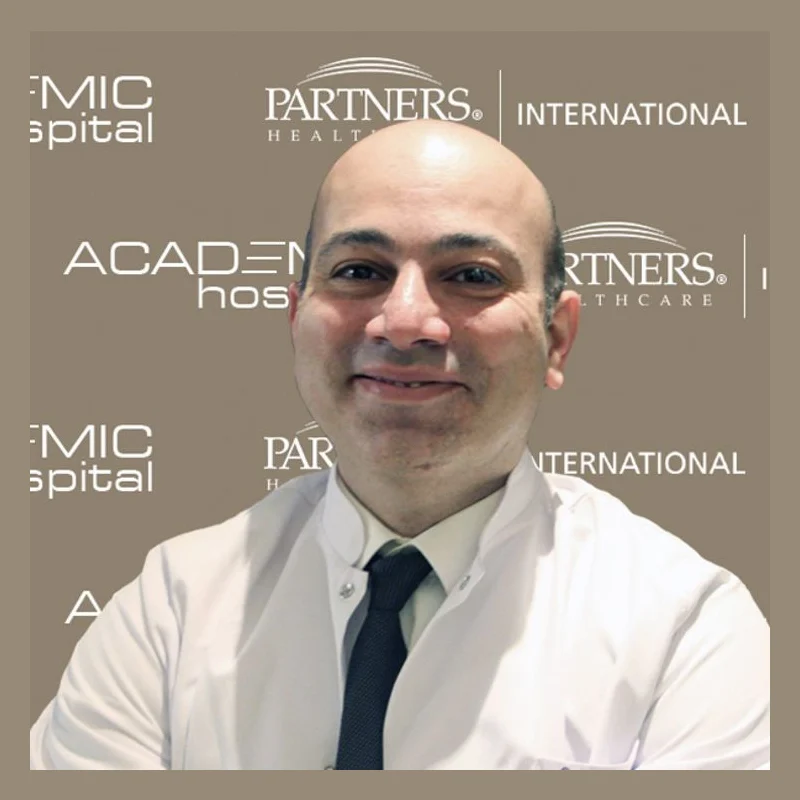
Dr. Öğr. Üyesi Görkem Kıyak
OrthopedicsVerified
- 21+years exp.
English · Turkish
FromPrice on request
Free quote
60 seconds · no obligationView Profile
A heel spur is a bony protrusion that develops on the underside of the heel bone, commonly associated with plantar fasciitis. It affects people experiencing sharp or aching heel pain, particularly during the first morning steps or prolonged standing. Approaches include orthotic supports, physiotherapy, or procedural interventions, and specific treatment options depend on a thorough specialist assessment. Compare hospitals in Turkey that treat Heel Spur and get a free review of your medical records.

1 doctor Compare doctors, ratings and prices — ask any of them for a free quote.
OrthopedicsVerified
English · Turkish
60 seconds · no obligationView Profile
A heel spur is a bony protrusion that develops on the underside of the heel bone, commonly associated with plantar fasciitis. It affects people experiencing sharp or aching heel pain, particularly during the first morning steps or prolonged standing. Approaches include orthotic supports, physiotherapy, or procedural interventions, and specific treatment options depend on a thorough specialist assessment.
Specialty: Orthopedics
The cost of treating Heel Spur depends on the diagnosis and the treatment chosen. Doctors first review your medical records — free of charge — and you then receive an itemised quote.
Heel Spur is treated by Orthopedics specialists. 2 clinics in Turkey on our platform offer this treatment.
A heel spur is a bony outgrowth that develops on the calcaneus (heel bone), typically where the plantar fascia tissue attaches underneath the foot. Over time, repetitive strain, tight calf muscles, or biomechanical imbalances cause chronic stress at this insertion point. The body responds by depositing calcium, forming a pointed or shelf-like bone protrusion. Heel spurs frequently co-exist with plantar fasciitis, an inflammation of the thick band of tissue running along the sole.
Patients experiencing a heel spur often present with distinct mechanical pain, including:
Symptoms are rarely caused by the physical spur poking into soft tissue; rather, they stem from inflammation and micro-tears in the surrounding plantar fascia. If conservative remedies at home fail to relieve discomfort, evaluation within specialized Orthopedics departments can help determine the underlying biomechanical cause.
When seeking care in Turkey, your evaluation begins with a thorough physical examination by an orthopedic specialist. The doctor will palpate the plantar fascia, test ankle flexibility, and assess your gait to evaluate foot mechanics. To confirm the diagnosis and rule out alternative causes of heel pain—such as stress fractures, nerve entrapment, or systemic inflammatory conditions—hospitals utilize targeted diagnostic imaging.
Typical diagnostic steps include:
To ensure a smooth assessment, bring past medical records, prior imaging on a CD or flash drive, details of previous treatments (such as steroid injections or custom insoles), and the footwear you wear most frequently.
Treatment plans prioritize non-surgical measures to calm inflammation, reduce fascia tension, and correct biomechanics. Surgical intervention is reserved for severe, chronic cases that do not improve after several months of structured therapy.
| Option | Typically used when | Things to know |
|---|---|---|
| Conservative & Orthotic Care | First-line treatment for mild to moderate morning pain and active inflammation. | Includes custom orthotics, night splints, targeted stretching, and activity modification. |
| Extracorporeal Shockwave Therapy (ESWT) | Chronic pain lasting over three months that hasn't responded to basic stretching. | Delivers acoustic waves to stimulate tissue healing and desensitise local nerves; requires multiple sessions. |
| Targeted Injections | Persistent pain impeding daily mobility or progress in physical rehabilitation. | Corticosteroid or regenerative injections help lower acute inflammation; must be administered carefully to protect fascia integrity. |
| Surgical Release / Spur Resection | Severe, unremitting symptoms present for 6 to 12 months despite comprehensive therapy. | Involves partially detaching the plantar fascia and removing the spur; requires a structured recovery phase. |
Depending on overall mobility and musculoskeletal health, patients may benefit from combining orthopedic care with dedicated Rehabilitation programs or Regenerative Medicine consultations to support long-term recovery.
Traveling for heel spur care requires realistic planning, particularly regarding post-procedure mobility. Prior to booking travel, medical teams conduct a preliminary remote review of your X-rays and medical history to outline potential treatment pathways.
For non-surgical interventions like ESWT or targeted injections, plan to stay in Turkey for 3 to 5 days to complete therapy sessions and allow initial response monitoring. If open or endoscopic surgery is recommended, plan a stay of 7 to 10 days. This allows time for post-operative wound checks, fitting of protective boots or splints, and initial mobility assessments before flying.
Ensure your journey home includes airport assistance if walking is restricted. Once back, long-term success relies on continuing prescribed home exercises, wearing appropriate supportive footwear, and sharing your Turkish medical discharge reports with your local primary doctor or physiotherapist.
You should postpone international travel for heel spur treatment if you have active skin infections around the foot, unmanaged systemic conditions, or acute deep vein thrombosis (DVT) risks. Long-haul flights can exacerbate lower-limb swelling, which can intensify heel discomfort.
Seek immediate medical care locally if you develop any of these warning signs:
No, surgical removal is rarely necessary. The majority of heel spur cases respond successfully to non-surgical measures, including custom orthotics, targeted calf and fascia stretching, shockwave therapy, and anti-inflammatory management. Surgery is only considered when severe pain persists after extended conservative treatment.
For non-surgical therapies or shockwave treatment, a stay of 3 to 5 days is usually sufficient. If you undergo endoscopic or open surgical intervention, plan to remain in Turkey for 7 to 10 days so your surgeon can monitor initial healing and check your post-operative mobility.
After conservative treatments like shockwave therapy or injections, you can usually walk immediately, though strenuous activities should be limited. Following surgical intervention, you may need to wear a special protective boot and use crutches for a few weeks to allow the tissue to heal properly.
Preventing recurrent pain requires ongoing commitment to supportive measures. Continue daily stretching exercises for your calf muscles and plantar fascia, wear supportive shoes with appropriate arch support, avoid walking barefoot on hard surfaces, and follow all physical therapy recommendations provided by your clinical team.
Flying is generally safe once your surgeon clears you, typically 7 to 10 days post-surgery. You must manage swelling risks during travel by keeping your foot elevated when possible, wearing compression stockings if recommended, and arranging airport wheelchair assistance to prevent placing excessive strain on your foot.
Your request is in!
Your coordinator will contact you — usually within 2 hours, 24/7.
Want a faster, more accurate assessment?
Add photos & medical detailsLeave your number — a coordinator calls you in your language, usually within 15 minutes during office hours.
Thank you!
A coordinator will contact you at the time you chose.

