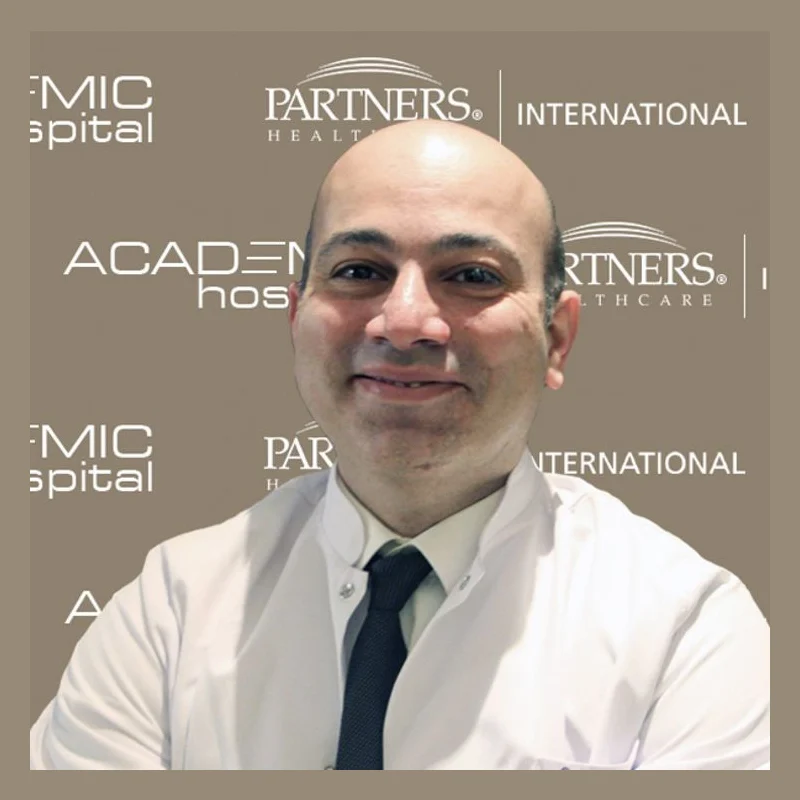
Dr. Öğr. Üyesi Görkem Kıyak
OrthopedicsVerified
- 21+years exp.
English · Turkish
FromPrice on request
Free quote
60 seconds · no obligationView Profile
Hallux valgus, commonly known as a bunion, is a progressive joint deformity affecting the base of the big toe. It frequently affects adults, causing pain, swelling, and difficulty wearing ordinary footwear, which prompts people to seek medical advice. Potential corrective options vary and depend on a specialist orthopaedic assessment and weight-bearing foot radiographs. Compare hospitals in Turkey that treat Hallux Valgus and get a free review of your medical records.

1 doctor Compare doctors, ratings and prices — ask any of them for a free quote.
OrthopedicsVerified
English · Turkish
60 seconds · no obligationView Profile
Hallux valgus, commonly known as a bunion, is a progressive joint deformity affecting the base of the big toe. It frequently affects adults, causing pain, swelling, and difficulty wearing ordinary footwear, which prompts people to seek medical advice. Potential corrective options vary and depend on a specialist orthopaedic assessment and weight-bearing foot radiographs.
Specialty: Orthopedics
Depending on the stage and your medical history, doctors may recommend:
The cost of treating Hallux Valgus depends on the diagnosis and the treatment chosen. Doctors first review your medical records — free of charge — and you then receive an itemised quote.
Options may include Hallux Valgus Surgery, Lapiplasty 3D Bunion Correction, Hallux Valgus 3D Lapiplasty. Your doctor chooses the approach after reviewing your tests and scans.
Hallux Valgus is treated by Orthopedics specialists. 2 clinics in Turkey on our platform offer this treatment.
Hallux valgus is a progressive structural deformity of the first metatarsophalangeal (MTP) joint at the base of the big toe. It occurs when the first metatarsal bone shifts medially while the hallux (big toe) deviates laterally towards the smaller toes. Over time, this bony misalignment creates a prominent bump on the inner side of the foot, often accompanied by soft tissue swelling, bursitis, and localized inflammation.
Patients seeking specialized care through Orthopedics services typically present with a distinct set of physical symptoms. Common clinical features include:
An accurate orthopedic evaluation is essential before determining whether conservative management or corrective surgery is required. When visiting a hospital in Turkey, the diagnostic pathway begins with a comprehensive physical examination. The specialist evaluates your foot mechanics, joint flexibility, skin integrity, and neurovascular status while assessing how the deformity impacts your gait.
To confirm the structural severity, standard imaging is performed. Patients should expect to undergo weight-bearing anteroposterior (AP) and lateral foot radiographs. These standing X-rays allow the orthopedic surgeon to measure key anatomical angles, specifically the Hallux Valgus Angle (HVA) and the Intermetatarsal Angle (IMA). In select complex cases involving joint degeneration or prior surgery failure, advanced imaging like a CT scan or MRI may be requested.
International patients are advised to bring previous foot X-rays, medical summaries, a list of current medications, and details of any past surgical interventions to their initial consultation. If your foot pain is associated with systematic joint conditions, bringing diagnostic reports from Check-ups & Diagnostics or your home rheumatologist is highly beneficial.
Management ranges from non-surgical measures aimed at symptom relief to reconstructive bone procedures designed to restore normal anatomical alignment. The choice of intervention depends on radiographic measurements, pain severity, age, overall health, and functional goals.
| Option | Typically Used When | Things to Know |
|---|---|---|
| Conservative Management | Mild alignment changes with minimal pain; patient prefers non-operative care. | Includes wide-toe-box shoes, custom orthotics, night splints, and localized anti-inflammatory measures. Relieves symptoms but does not reverse structural bone deformity. |
| Distal Metatarsal Osteotomy (e.g., Chevron) | Mild to moderate deformity with an elevated intermetatarsal angle. | Involves cutting and repositioning the head of the metatarsal bone, secured with small screws or pins. Allows relatively early weight-bearing in a surgical boot. |
| Midshaft or Proximal Osteotomy (e.g., Scarf, Base) | Moderate to severe hallux valgus deformities requiring greater realignment. | Requires bone cuts along the shaft or base of the metatarsal to achieve substantial angular correction. Demands strict post-operative protection. |
| 1st MTP Arthrodesis (Joint Fusion) | Severe deformity combined with advanced osteoarthritis or surgical recurrence. | Fuses the big toe joint permanently using plates and screws. Eliminates joint pain reliably but restricts toe flexibility. |
Surgical correction of hallux valgus requires careful travel preparation and adequate recovery time before long-distance transit. A typical trip involves an online review of your existing radiographs followed by an in-person assessment, imaging verification, and procedure scheduling upon arrival in Turkey.
Patients should plan to stay in the country for at least 7 to 10 days. This duration allows the medical team to monitor early soft-tissue healing, manage post-operative swelling, check surgical incisions, and safely apply protective dressings or special stiff-soled boots. Full bone healing takes several weeks, during which you must adhere to strict weight-bearing guidelines. Coordination with a physiotherapist at home, or exploring structured Rehabilitation, supports long-term recovery, while consultations with Dermatology specialists may help if severe secondary calluses or wound complications arise.
Air travel shortly after foot or ankle surgery carries an increased risk of deep vein thrombosis (DVT) and pronounced leg swelling due to cabin pressure changes and prolonged immobility. Travel is strictly contraindicated if you have acute systemic infections, unmanaged cardiovascular conditions, or active, untreated deep vein clots.
Following discharge and return to your home country, seek immediate emergency medical care if you experience any of the following warning signs:
Hallux valgus develops due to a combination of genetic predisposition, foot biomechanics, tight or ill-fitting footwear, and structural joint laxity. Over time, asymmetrical pressure on the first metatarsophalangeal joint causes the bone to shift out of alignment.
Most orthopedic surgeons recommend remaining in Turkey for 7 to 10 days post-surgery. This period allows adequate time for initial wound monitoring, pain management, post-operative X-rays, and safe application of surgical footwear before flying.
Weight-bearing ability depends on the specific surgical procedure performed. Many modern osteotomies allow limited heel-walking in a specialized stiff-soled post-operative shoe, whereas more extensive realignments or joint fusions may require a period of strict non-weight-bearing.
Recurrence is possible, though modern osteotomy techniques reduce this risk. Factors contributing to recurrence include structural hypermobility, failure to wear appropriate supportive footwear post-operatively, or choosing a surgical technique unsuited to the original severity.
Flying is generally discouraged for the first few days post-operation due to swelling risks and deep vein thrombosis. Most specialists advise waiting at least 7 to 10 days before taking a short or medium-haul flight with elevation precautions.
Your request is in!
Your coordinator will contact you — usually within 2 hours, 24/7.
Want a faster, more accurate assessment?
Add photos & medical detailsLeave your number — a coordinator calls you in your language, usually within 15 minutes during office hours.
Thank you!
A coordinator will contact you at the time you chose.

