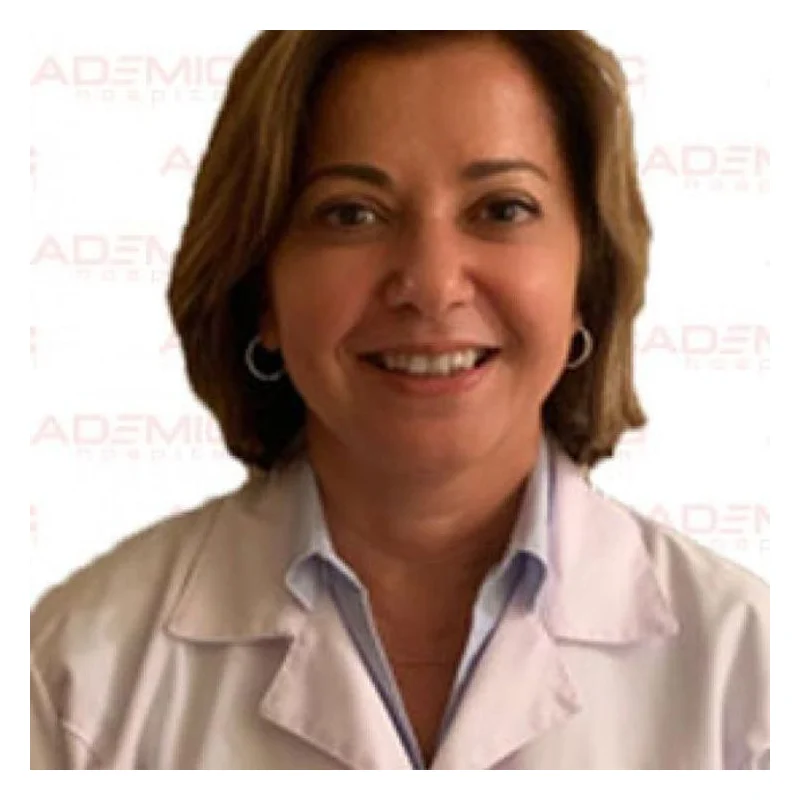
Dr. Miver Erem Tokuş
NeurosurgeryVerified
- 24+years exp.
English · Turkish
FromPrice on request
Free quote
60 seconds · no obligationView Profile
Neurology treatment in Turkey covers medication-based care for epilepsy, multiple sclerosis, Parkinson's disease and essential tremor, Ocrevus (ocrelizumab) therapy and brain therapy. This guide explains how the options differ, who they suit, what a stay involves, what shapes the price and how to check a hospital and neurologist.
A written plan with the surgeon's name and the full price — usually within 24 hours.

1 doctor Compare doctors, ratings and prices — ask any of them for a free quote.
NeurosurgeryVerified
English · Turkish
60 seconds · no obligationView Profile
Neurology treatment in Turkey covers long-term conditions of the brain and nervous system that are managed mainly with medication and specialist follow-up rather than surgery. Hospitals in our network offer it within Neurosurgery treatments in Turkey. The list includes medication for epilepsy, Ocrevus (ocrelizumab) therapy, medication treatment for Parkinson’s disease, medication treatment for multiple sclerosis, medication treatment for essential tremor and brain therapy.
Each addresses a different condition. Epilepsy medication aims to reduce seizures and is chosen by seizure type, age and other health factors. Multiple sclerosis (MS) treatment uses disease-modifying medicines that aim to reduce relapses and slow progression. Ocrevus is one such medicine, given by infusion every few months and used for certain forms of MS. Parkinson’s disease medication replaces or imitates dopamine to ease stiffness, slowness and tremor. Essential tremor medication targets shaking of the hands that is not caused by Parkinson’s disease. Brain therapy is a broader term for rehabilitation and supportive programmes, and the hospital should state exactly what it includes.
A correct diagnosis comes before treatment. A neurologist takes a detailed history, examines you and usually orders imaging such as an MRI scan, and sometimes an EEG or blood tests. If you already have a diagnosis, bring your scans, reports and a list of current medicines, because a new team needs to know what has been tried and what the results were.
Many people travel for a second opinion, for access to a particular medicine, or to review a treatment plan that has stopped working well. Ask the neurologist to explain why a medicine is suggested, what side effects to expect and how its effect will be monitored. Some of these medicines need regular blood tests or scans, which you will need to arrange at home after you return.
Not every neurological condition suits treatment abroad. If your condition is unstable, or if you are in the middle of a relapse, discuss travel with your own neurologist before you decide.
Most medication-based neurology care is delivered in outpatient visits. A first assessment with tests may take a few days. An Ocrevus infusion takes several hours in a day unit and the next dose follows months later, so the plan should state where later doses will be given. Treatment for epilepsy, Parkinson’s disease or tremor often involves adjusting a dose and watching the response, which can take more time than one trip allows.
Ask the hospital for a written report with your diagnosis, the medicines and doses, and instructions for monitoring. Check whether your local neurologist or pharmacy will be able to continue the prescription. Do not stop or change an existing medicine, especially for epilepsy, without medical advice.
The price depends mainly on the medicine. Some, such as infusion therapies for MS, cost far more than standard tablets for tremor or Parkinson’s disease. Other factors are the number of consultations, MRI scans and laboratory tests, the length of any hospital stay and whether the quote covers a single dose or a full course.
Ask what is included: the consultation, scans, medicine, infusion costs and follow-up. Ask what is charged separately, and how repeat doses would be priced. A reliable figure comes from a written plan based on your own reports.
Neurological conditions should be managed by a specialist neurologist. Before you commit, ask the hospital for the following in writing:
Hospitals on our site are licensed by the Turkish Ministry of Health and authorised to treat international patients.
Requesting a free quote costs nothing and commits you to nothing. Send your diagnosis, recent MRI or EEG reports, a list of medicines and the main questions you have. A neurologist at a suitable hospital reviews them and replies with a written plan that names the doctor, the proposed treatment, the expected stay and the full price.
You compare the plan with your own doctor’s advice and decide in your own time. Our service is free for patients and you pay the hospital directly. To see the full range, browse neurosurgery and neurology or go straight to the free quote form.
It includes assessment and medication-based care for conditions such as epilepsy, multiple sclerosis, Parkinson's disease and essential tremor, plus infusion therapies such as Ocrevus. Hospitals combine consultations, imaging and laboratory tests with a written treatment plan.
Ocrevus is a medicine for certain forms of multiple sclerosis. It is given as an infusion in hospital, usually every six months. A neurologist decides whether it suits your type of MS and checks for suitability before the first dose.
There is currently no cure for MS, but disease-modifying medicines can reduce the number of relapses and may slow progression. The suitable option depends on your type of MS, your scans and your general health, and a neurologist makes that choice.
Most medicines replace dopamine or act like it in the brain, easing stiffness, slowness and tremor. The type and dose are adjusted over time, because the response and side effects differ between people.
No. Essential tremor is mainly a shaking of the hands when they are in use, while Parkinson's tremor usually appears at rest and comes with stiffness and slow movement. A neurologist can tell them apart, which matters for choosing treatment.
Only on a neurologist's advice. Changing or stopping epilepsy medicines suddenly can trigger seizures. A specialist reviews your seizure history and current medicines first, and any change is made gradually with a plan for follow-up at home.
Send your diagnosis, recent MRI or EEG reports, a list of current and past medicines with doses, and your main questions. The free quote form accepts documents and images.
Your request is in!
Your coordinator will contact you — usually within 2 hours, 24/7.
Want a faster, more accurate assessment?
Add photos & medical detailsLeave your number — a coordinator calls you in your language, usually within 15 minutes during office hours.
Thank you!
A coordinator will contact you at the time you chose.

