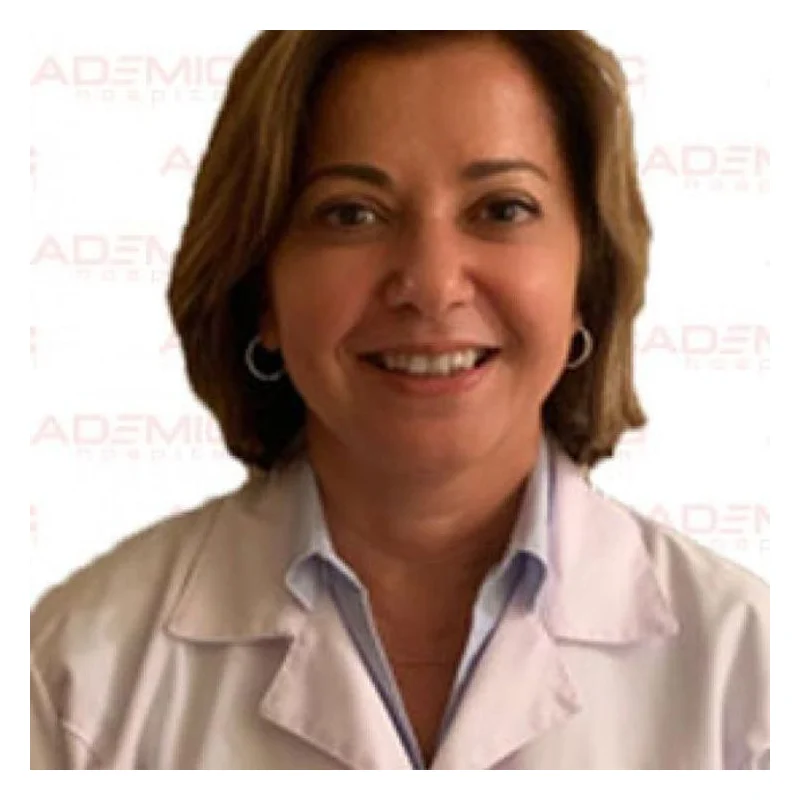
Dr. Miver Erem Tokuş
NeurosurgeryVerified
- 24+years exp.
English · Turkish
FromPrice on request
Free quote
60 seconds · no obligationView Profile
Essential tremor is a neurological disorder causing involuntary, rhythmic shaking, most noticeably in the hands during purposeful movements. Patients frequently seek medical assistance when shaking begins to interfere with everyday activities such as writing, eating, or dressing. Available pharmacological, supportive, and surgical treatment options depend on symptom impact and a comprehensive specialist assessment. Compare hospitals in Turkey that treat Essential Tremor and get a free review of your medical records.

1 doctor Compare doctors, ratings and prices — ask any of them for a free quote.
NeurosurgeryVerified
English · Turkish
60 seconds · no obligationView Profile
Essential tremor is a neurological disorder causing involuntary, rhythmic shaking, most noticeably in the hands during purposeful movements. Patients frequently seek medical assistance when shaking begins to interfere with everyday activities such as writing, eating, or dressing. Available pharmacological, supportive, and surgical treatment options depend on symptom impact and a comprehensive specialist assessment.
Specialty: Neurosurgery
Depending on the stage and your medical history, doctors may recommend:
The cost of treating Essential Tremor depends on the diagnosis and the treatment chosen. Doctors first review your medical records — free of charge — and you then receive an itemised quote.
Options may include Medication Treatment for Essential Tremor. Your doctor chooses the approach after reviewing your tests and scans.
Essential Tremor is treated by Neurosurgery specialists. 2 clinics in Turkey on our platform offer this treatment.
Essential tremor is a chronic neurological condition characterised by involuntary, rhythmic shaking. It most commonly affects the hands and arms, though it can also involve the head, neck, voice, or trunk. Unlike Parkinson's disease, which typically causes a tremor when muscles are at rest, essential tremor is predominantly an action tremor. Shaking becomes most pronounced during deliberate, purposeful movements, such as reaching for a glass of water, writing, or holding up a utensil.
Initial symptoms are often mild, but the tremor can gradually worsen over several years. International patients frequently seek specialized medical evaluation when the involuntary movements begin to interfere significantly with independent daily activities, employment, or emotional well-being. Stress, fatigue, caffeine, and extreme temperatures can temporarily heighten the severity of the shaking.
Accurate diagnosis is critical because essential tremor shares features with several other movement disorders. When visiting a multidisciplinary hospital in Turkey, your evaluation usually begins within the Neurosurgery or neurology department. Doctors perform a detailed clinical examination to assess tremor frequency, amplitude, and muscle tone.
To rule out secondary causes of shaking—such as thyroid dysfunction, structural brain lesions, or drug side effects—specialists rely on comprehensive diagnostic protocols. A standard evaluation typically involves:
Patients travelling from abroad should bring all existing medical records, previous brain scan images (on DICOM disc or USB drives), blood test results, and a complete history of past medications and dosages.
Therapy for essential tremor is tailored to the individual's level of functional impairment and overall health status. Decisions regarding intervention are made by the treating neurologist or neurosurgeon following a full clinical review.
| Option | Typically Used When | Things to Know |
|---|---|---|
| Pharmacotherapy | First-line treatment for mild to moderate functional impairment. | Includes beta-blockers or anti-seizure medications; requires ongoing dosage adjustments and monitoring for side effects. |
| Physical Therapy | Adjuvant care to maintain motor control and strength. | Targeted physical exercise and occupational adaptations aid daily tasks; often combined with modern Rehabilitation routines. |
| Surgical Intervention | Severe tremor refractory to medical management. | Advanced procedures such as Deep Brain Stimulation (DBS) or focused ultrasound targeting specific thalamic nuclei. |
Surgical treatments focus on modulating abnormal electrical signals within the brain. For complex cases, consultation with specialized surgical teams, including General Surgery specialists for general health clearance, ensures patient safety prior to any invasive procedure.
Organising care abroad requires careful preparation to ensure smooth diagnostic assessment and safe recovery. The process generally begins with an initial remote evaluation, where medical teams review your imported scans and history to determine whether further advanced interventions are appropriate.
If clinical travel is recommended, plan your journey carefully based on the expected care pathway:
Patients with co-existing conditions, such as ear, nose, or throat issues, may also undergo targeted assessments in departments like ENT (Ear, Nose & Throat) to ensure total physiological stability prior to intervention.
International travel is not suitable for every patient with a tremor. Flying may be contraindicated immediately after recent brain procedures or if severe, unstable co-morbidities exist. Always obtain medical clearance from your treating physician before booking flights.
Do not travel, and seek immediate, local emergency medical attention if you experience any of the following urgent warning signs:
Essential tremor primary manifests as an action tremor, meaning shaking occurs during voluntary movements like writing or holding a cup. Parkinson's disease typically presents as a rest tremor, occurring when muscles are completely relaxed, and is usually accompanied by muscle stiffness, slow movement, and posture changes.
Essential tremor cannot be cured permanently, but its symptoms can often be managed effectively. Medication, occupational adaptations, and advanced surgical interventions like Deep Brain Stimulation aim to significantly reduce tremor amplitude, improving hand function and overall quality of life based on individual medical assessments.
If a neurosurgical procedure is recommended, patients generally stay in Turkey for 10 to 14 days. This timeframe allows for initial diagnostics, the surgical procedure, hospital recovery, post-operative monitoring, and initial programming or calibration of therapeutic devices before safe international travel home.
You should bring complete medical histories, a list of current and past medications with dosages, recent blood test results, and original DICOM files (on CD or USB) of recent brain MRI or CT scans. Clear documentation helps specialists accurately evaluate your condition without repeating unnecessary tests.
Air travel following neurosurgical interventions requires explicit written clearance from your treating surgeon. Generally, patients must wait until post-operative intracranial air has absorbed and healing is stable, typically taking at least two weeks depending on the specific surgical technique used.
Your request is in!
Your coordinator will contact you — usually within 2 hours, 24/7.
Want a faster, more accurate assessment?
Add photos & medical detailsLeave your number — a coordinator calls you in your language, usually within 15 minutes during office hours.
Thank you!
A coordinator will contact you at the time you chose.

