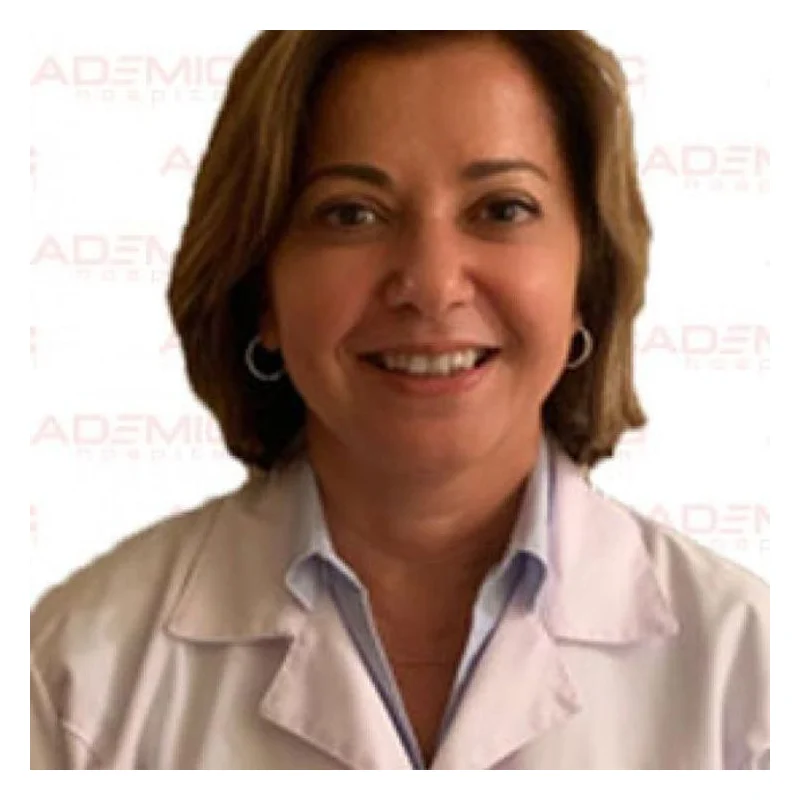
Dr. Miver Erem Tokuş
NeurosurgeryVerified
- 24+years exp.
English · Turkish
FromPrice on request
Free quote
60 seconds · no obligationView Profile
Encephalitis is an acute inflammation of active brain tissue, often triggered by a viral infection or an autoimmune response. It can affect people of any age, causing fever, sudden confusion, severe headaches, seizures, or sensitivity to light that require urgent medical attention. Potential clinical management and supportive care options depend on a comprehensive specialist assessment. Compare hospitals in Turkey that treat Encephalitis and get a free review of your medical records.

1 doctor Compare doctors, ratings and prices — ask any of them for a free quote.
NeurosurgeryVerified
English · Turkish
60 seconds · no obligationView Profile
Encephalitis is an acute inflammation of active brain tissue, often triggered by a viral infection or an autoimmune response. It can affect people of any age, causing fever, sudden confusion, severe headaches, seizures, or sensitivity to light that require urgent medical attention. Potential clinical management and supportive care options depend on a comprehensive specialist assessment.
Specialty: Neurosurgery
The cost of treating Encephalitis depends on the diagnosis and the treatment chosen. Doctors first review your medical records — free of charge — and you then receive an itemised quote.
Encephalitis is treated by Neurosurgery specialists. 2 clinics in Turkey on our platform offer this treatment.
Encephalitis is a severe, acute inflammation of the active brain tissue. It occurs most commonly due to a direct viral infection (viral encephalitis) or an misguided immune response where the body's immune system mistakenly attacks healthy brain cells (autoimmune encephalitis). Viruses such as herpes simplex, enteroviruses, and varicella-zoster are frequent infectious triggers. In some instances, bacterial or fungal infections can also lead to central nervous system inflammation.
Because the condition directly affects brain function, symptoms can develop rapidly over hours or days. Clinical signs range from flu-like complaints to profound neurological deficits. Key symptoms include:
Recognising these warning signs early is crucial. Suspected encephalitis is a medical emergency requiring rapid intervention by specialists in Neurosurgery and neurology to prevent long-term neurological injury.
Accurate, rapid diagnosis is essential to differentiate encephalitis from other central nervous system disorders such as meningitis, brain abscesses, or stroke. When evaluating international patients, multidisciplinary teams in Turkey utilise structured diagnostic protocols to pinpoint the underlying cause.
Diagnostic investigations typically involve:
Patients seeking secondary evaluations or subacute care in Turkey should bring all available medical records. Key documentation includes previous MRI/CT neuroimaging DICOM files on disc, CSF laboratory reports, discharge summaries, and a comprehensive record of administered medications.
Treatment strategy depends strictly on the identified cause, severity of inflammation, and the patient's overall medical stability. The main objective is to suppress the infection or immune response, manage intracranial pressure, and support organ function.
| Option | Typically used when | Things to know |
|---|---|---|
Following the acute phase, patients often require tailored multidisciplinary support. This may involve neuro-rehabilitation, structured functional assessment via Check-ups & Diagnostics, and consultations in Rehabilitation to address lingering motor or cognitive deficits.
Given the complex nature of neurological conditions, travelling to Turkey for encephalitis evaluation or subacute recovery requires rigorous advance planning. Hospitals typically conduct a thorough remote records review prior to travel to confirm that transport is safe and appropriate.
Key steps in the care journey include:
Patients in the acute stage of encephalitis—experiencing active fever, worsening confusion, unstable vital signs, or frequent seizures—are not fit for commercial air travel. Flying under these conditions presents severe health risks due to changes in cabin pressure and limited emergency medical infrastructure during transit.
Immediate local emergency care must be sought if any of the following critical warning signs occur:
International travel should only be considered once the patient is medically stable, non-infectious, and fully cleared by their primary attending physician.
Encephalitis is most commonly caused by viral infections, such as herpes simplex virus, enteroviruses, or varicella-zoster. It can also stem from autoimmune reactions, where the body's immune system accidentally targets brain tissue, or less frequently from bacterial or fungal infections.
Outcomes depend on the cause, the patient's age, and how quickly treatment begins. Viral encephalitis treated early with antivirals may resolve with minimal long-term effects. Autoimmune forms often respond well to therapies that suppress the immune system, though some patients experience lingering cognitive or physical symptoms.
Hospitals in Turkey typically perform brain MRI scans, lumbar punctures (spinal taps) for cerebrospinal fluid analysis, electroencephalograms (EEG) to monitor brain waves, and specialized blood panels for infection and autoimmune markers. Your attending doctor decides on specific tests after an initial clinical evaluation.
For subacute evaluation, diagnostic workups, or adjusting immunomodulatory treatments, patients generally stay between two to four weeks. The exact timeframe depends on your medical stability, response to therapies, and the treating specialist's assessment.
No. Air travel should only be undertaken once a neurologist confirms you are medically stable. Flying with unresolved neurological symptoms, brain swelling, or active seizures poses serious risks. Always secure formal medical clearance before booking transit.
Your request is in!
Your coordinator will contact you — usually within 2 hours, 24/7.
Want a faster, more accurate assessment?
Add photos & medical detailsLeave your number — a coordinator calls you in your language, usually within 15 minutes during office hours.
Thank you!
A coordinator will contact you at the time you chose.

