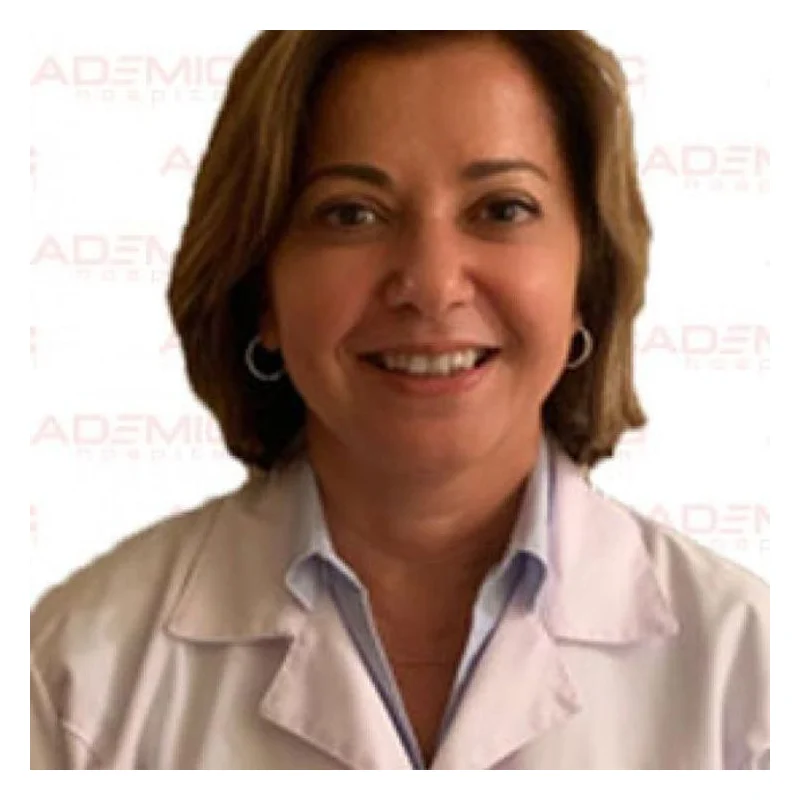
Dr. Miver Erem Tokuş
NeurosurgeryVerified
- 24+years exp.
English · Turkish
FromPrice on request
Free quote
60 seconds · no obligationView Profile
Epilepsy is a neurological disorder characterised by recurrent, unprovoked seizures caused by temporary disruptions in electrical brain activity. Individuals often seek medical advice following sudden convulsions, loss of awareness, or unusual sensory sensations. For patients considering medical travel, suitable treatment options depend on an individual specialist assessment, diagnostic imaging, and clinical review. Compare hospitals in Turkey that treat Epilepsy and get a free review of your medical records.

1 doctor Compare doctors, ratings and prices — ask any of them for a free quote.
NeurosurgeryVerified
English · Turkish
60 seconds · no obligationView Profile
Epilepsy is a neurological disorder characterised by recurrent, unprovoked seizures caused by temporary disruptions in electrical brain activity. Individuals often seek medical advice following sudden convulsions, loss of awareness, or unusual sensory sensations. For patients considering medical travel, suitable treatment options depend on an individual specialist assessment, diagnostic imaging, and clinical review.
Specialty: Neurosurgery
Depending on the stage and your medical history, doctors may recommend:
The cost of treating Epilepsy depends on the diagnosis and the treatment chosen. Doctors first review your medical records — free of charge — and you then receive an itemised quote.
Options may include Medication for Epilepsy, Surgical Treatment of Epilepsy, Complex Diagnostics of Epilepsy. Your doctor chooses the approach after reviewing your tests and scans.
Epilepsy is treated by Neurosurgery specialists. 2 clinics in Turkey on our platform offer this treatment.
Epilepsy is a chronic neurological disorder marked by a tendency to experience recurrent, unprovoked seizures. These seizures stem from sudden, abnormal electrical discharges in the brain's nerve cells. Depending on which area of the brain is affected, a seizure can manifest in several different ways. Some individuals experience generalised seizures, which involve both sides of the brain and often cause a sudden loss of consciousness, motor convulsions, or muscle stiffness. Others experience focal seizures, which originate in a specific region of the brain. Focal seizures may present as localized muscle twitching, involuntary repetitive movements, sudden emotional shifts, or unusual sensory sensations such as a metallic taste or visual auras.
Understanding the exact nature of these episodes is crucial for accurate management. Epilepsy is not a single disease, but a spectrum of conditions with diverse underlying causes, including structural brain abnormalities, genetic factors, previous head trauma, stroke, or central nervous system infections. Medical evaluation by a specialist in Neurosurgery or neurology aims to identify the specific seizure type and underlying cause to determine whether pharmaceutical, dietary, or surgical interventions are appropriate.
Achieving an accurate diagnosis is the foundation of effective epilepsy management. When travelling to Turkey for diagnostic evaluation, patients typically undergo a comprehensive battery of tests designed to pinpoint the epileptogenic zone (the precise region of the brain where seizures originate). Standard clinical evaluations usually include:
Prior to travelling, international patients must assemble complete medical records. Bringing detailed reports of previous EEG tracings, digital DICOM files of past brain scans, current medication lists, and a comprehensive seizure diary helps the clinical team streamline the diagnostic process.
Management ranges from anti-seizure medications (ASMs) to advanced surgical procedures. The choice of therapy depends on whether the epilepsy is drug-responsive or drug-resistant (refractory), as well as the exact location of the seizure focus.
| Option | Typically Used When | Things to Know |
|---|---|---|
| Anti-Seizure Medication | First-line treatment for newly diagnosed or drug-responsive epilepsy. | Requires strict compliance; adjustments are guided by blood level monitoring and side-effect profiles. |
| Resective Epilepsy Surgery | Drug-resistant focal epilepsy where the seizure focus can be safely removed. | Includes procedures like temporal lobectomy; requires extensive presurgical evaluation to preserve neurological function. |
| Neuromodulation Devices | Multifocal or deep-seated epilepsy not suitable for resection. | Implanted devices (e.g., VNS) deliver electrical impulses to reduce seizure frequency over time. |
| Diagnostic Invasive Monitoring | Non-invasive tests are inconclusive regarding the exact seizure focus. | Involves placing intracranial electrodes (stereo-EEG) via Neurosurgery techniques. |
In cases where epilepsy is linked to structural lesions, such as vascular malformations or brain tumours, coordinating care with related disciplines like Oncology or Check-ups & Diagnostics may be necessary to address the primary cause. Complex cases in paediatric patients may also involve specialist review in Paediatrics.
Travelling abroad for epilepsy evaluation or surgery requires careful preparation. The initial stage begins with a remote records review, allowing the international medical team to determine if additional diagnostic testing or a stay in a dedicated monitoring unit is required. Patients travelling to Turkey should plan to stay for at least 7 to 14 days for initial non-invasive diagnostic evaluations. If surgical intervention is recommended by the treating multi-disciplinary team, an extended stay of 3 to 4 weeks is typically required to allow for post-operative recovery, wound checks, and initial rehabilitation assessment.
Before returning home, patients receive a clear management plan. Because long-term monitoring is essential, your treating doctor in Turkey will coordinate recommendations with your home neurologist or general practitioner to manage medication schedules, blood monitoring, and follow-up imaging.
Air travel poses specific considerations for individuals with uncontrolled seizures. Factors such as fatigue, jet lag, circadian rhythm disruption, stress, and missed medication doses during long journeys can lower the seizure threshold. Patients must consult their primary physician before booking flights to ensure their condition is sufficiently stable for travel.
International travel is not advisable if you have recently suffered status epilepticus (a prolonged or cluster seizure state), undergone recent major neurosurgery without medical flight clearance, or experience frequent, unpredictable falls without safety coverage. Seek urgent emergency care locally if a seizure lasts longer than five minutes, if a second seizure occurs immediately after the first, if breathing difficulty persists after an episode, or if a head injury occurs during a fall.
A thorough diagnostic evaluation typically requires 7 to 14 days. This timeframe allows specialists to conduct prolonged video-EEG monitoring, high-resolution MRI scans, and neuropsychological assessments. If surgical treatment is planned, your total stay may extend to three or four weeks to accommodate pre-operative planning, recovery, and initial post-operative checks.
You should bring your complete medical history, including previous EEG recordings, high-quality digital DICOM files of brain scans (MRI or CT), a list of current and past anti-seizure medications with dosages, and a detailed seizure diary documenting episode frequency, duration, and observed symptoms.
Air travel is generally safe for patients with well-controlled seizures. However, sleep deprivation, stress, and crossing time zones can lower seizure thresholds. You must discuss your flight plans with your treating physician, carry all anti-seizure medications in your hand luggage, and ensure your condition is stable before travelling.
Epilepsy surgery aims to eliminate or significantly reduce the frequency and severity of seizures. Complete freedom from seizures depends on factors such as whether a single, localized seizure focus can be safely resected. Outcomes vary individually, and medication may still be necessary after surgery as advised by your medical team.
Before your discharge, your treating specialist in Turkey will provide a comprehensive summary and treatment plan. Follow-up care, including routine blood tests and medication adjustments, is typically managed by your local neurologist or general practitioner in direct communication with your international treatment team when necessary.
Your request is in!
Your coordinator will contact you — usually within 2 hours, 24/7.
Want a faster, more accurate assessment?
Add photos & medical detailsLeave your number — a coordinator calls you in your language, usually within 15 minutes during office hours.
Thank you!
A coordinator will contact you at the time you chose.

