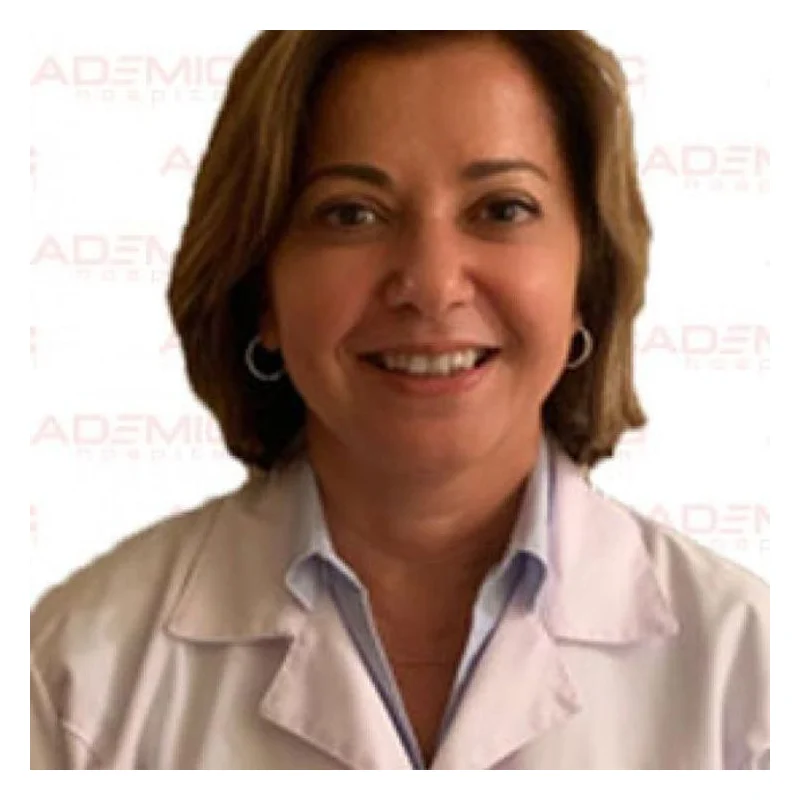
Dr. Miver Erem Tokuş
NeurosurgeryVerified
- 24+years exp.
English · Turkish
FromPrice on request
Free quote
60 seconds · no obligationView Profile
What medication for epilepsy involves, how anti-seizure drugs regulate brain electrical activity, and what clinical evidence shows about seizure control. This guide outlines comprehensive neurological evaluation in Turkey, major anti-epileptic drug classes, international cost comparisons across Turkey, the UK, the US and Germany, titration protocols, potential side effects, long-term monitoring, and how to choose an accredited neurological centre.
A written plan with the surgeon's name and the full price — usually within 24 hours.

1 doctor Compare doctors, ratings and prices — ask any of them for a free quote.
NeurosurgeryVerified
English · Turkish
60 seconds · no obligationView Profile
Medication for epilepsy, clinically termed anti-seizure medication (ASM) or anti-epileptic drugs, forms the primary treatment for unprovoked seizures. Epilepsy is a neurological condition marked by sudden bursts of abnormal electrical activity in the brain. Medications do not physically alter brain tissue; instead, they alter neurochemical signalling and cell membrane excitability to prevent electrical surges from spreading. Specialised neurology centres in Turkey provide comprehensive diagnostic reviews, therapeutic drug monitoring, and tailored pharmacological plans for international patients seeking improved seizure control.
Medical management aims to achieve seizure freedom with minimal side effects. For many patients, finding the appropriate drug requires meticulous diagnostic reassessment. Patients whose seizures do not respond to medication may be referred for surgical evaluation; see our guide to neurosurgery treatments in Turkey (hub). For international patients researching medication for epilepsy Turkey options, this guide explains how anti-seizure drugs work, what clinical evidence shows, comparative costs across Turkey and Western nations, and how treatment protocols are structured.
Anti-seizure medications work by restoring balance between excitatory and inhibitory mechanisms in the central nervous system. Brain cells communicate using electrical impulses governed by ion flow through neuronal membranes. When an imbalance occurs, neurons fire synchronously, triggering a seizure. Anti-seizure medications target distinct cellular pathways to quiet this hyperactivity:
Matching the specific drug mechanism to the patient's precise seizure type is essential for effective treatment.
Clinical evidence demonstrates that medication for epilepsy is highly effective for most patients. Guidelines from the International League Against Epilepsy (ILAE) and the National Institute for Health and Care Excellence (NICE) confirm that approximately 60% to 70% of people achieve long-term seizure freedom using anti-seizure medications. Around 47% become seizure-free with the first single drug prescribed, and an additional 13% to 15% achieve control when switched to a second medication.
However, evidence also defines clear limits. If two appropriately chosen and tolerated medications fail to control seizures, the chance of a third drug succeeding drops below 5%. This condition is classified as drug-resistant epilepsy, affecting roughly 30% of patients. Responsible neurology clinics will not promise a guaranteed cure. Instead, they assess whether persistent seizures stem from incorrect classification, subtherapeutic dosing, or true pharmacological resistance requiring non-drug therapies.
The cost of neurological epilepsy care abroad depends on the depth of diagnostic reassessment, inpatient video-EEG duration, imaging, and specialist consultations. The table below presents approximate cost ranges for a comprehensive epilepsy diagnostic workup and medication optimisation package across Turkey, the UK, the US, and Germany. These figures reflect market estimates rather than hospital-specific quotes.
| Country | Approximate cost range |
|---|---|
| Turkey | €1,500 – €4,000 |
| United Kingdom | €3,500 – €9,500 |
| United States | €5,000 – €15,000 |
| Germany | €3,000 – €8,500 |
Key factors that influence medication for epilepsy price include whether video-EEG monitoring lasts 24 or 72 hours, whether 3T epilepsy-protocol MRI is needed, and the specific pharmaceuticals prescribed. In Turkey, packages generally cover inpatient monitoring, specialist fees, baseline laboratory tests, and an initial medication supply. You can request an itemised package assessment through our free quote service, and read how it works before travelling.
Neurological management follows distinct strategic phases depending on how seizures respond to initial treatment. Comparing monotherapy, multi-drug regimens, and surgical alternatives helps patients understand their options.
| Approach | Best suited to | Typical limits |
|---|---|---|
| First-line monotherapy | Newly diagnosed focal or generalised epilepsy; single drug regimen | Controls seizures in around 50% of patients; requires dose titration |
| Add-on polytherapy | Seizures partially controlled on one drug; complementary mechanisms | Higher risk of drug-drug interactions and cumulative side effects |
| Surgical & neuromodulation options | Drug-resistant focal epilepsy or patients unresponsive to two or more tolerated drugs | Requires invasive pre-surgical workup; not all seizure foci are resectable |
Clinical guidelines recommend single-drug therapy (monotherapy) first, as it minimises side effects and avoids drug interactions. If monotherapy provides only partial control, neurologists may introduce a second drug with a complementary mechanism, known as rational polytherapy. When medication fails, teams explore advanced neurosurgical options, detailed in our guide to neurosurgery treatments in Turkey.
Anti-seizure medications are not interchangeable; effectiveness depends on correct seizure classification. Prescribing an unsuitable drug can prove ineffective or worsen symptoms. Neurologists classify seizures into distinct groups:
In epilepsy care, before-and-after evaluations focus on clinical control, seizure logs, and quality of life rather than appearance. Before effective medication, unpredictable seizures can disrupt daily routines, work, and driving independence.
Following systematic medication management, realistic expectations include:
Medical therapy is appropriate for nearly everyone with confirmed epileptic seizures. Candidates who benefit most from specialist evaluation in Turkey include:
Medical therapy alone is less suitable for individuals with non-epileptic events, such as psychogenic non-epileptic seizures, which require psychological treatment rather than anti-seizure drugs. Furthermore, patients with drug-resistant focal epilepsy and a clear, resectable structural brain lesion should be assessed directly for surgical options rather than continuing repetitive drug trials.
A structured trip to Turkey for epilepsy evaluation typically lasts 4 to 7 days and follows a clear clinical sequence. While surgical procedures require tissue healing, medication for epilepsy recovery focuses on neurological stabilisation, seizure reduction, and brain adaptation during dose adjustments:
All anti-seizure medications carry potential side effects, ranging from mild dose-related symptoms to rare adverse reactions. Health authorities such as the NHS, the European Medicines Agency, and the FDA advise that patients understand these risks prior to starting treatment.
Common dose-related effects include drowsiness, dizziness, unsteadiness, mild nausea, and transient cognitive fatigue. These usually emerge during titration and lessen as the body adapts. Emotional changes, such as irritability or mood shifts, can occur with specific drugs and should be discussed with your physician.
Rare but serious risks include:
When choosing a hospital for medication for epilepsy in Turkey, select an accredited facility equipped with a dedicated video-EEG monitoring unit, 3T MRI, and board-certified neurologists specialising in epileptology. Coordinated multidisciplinary care ensures accurate diagnosis and safe medication adjustment.
Red flags include clinics that prescribe medications without EEG or neuroimaging, doctors who guarantee complete cure, advice to halt existing medications abruptly, and providers lacking clear credentials or structured follow-up support.
Questions to ask your neurologist include:
Review how it works to prepare your diagnostic records before travelling. To submit your medical history for evaluation, visit our free quote page for an individual assessment.
Medication for epilepsy refers to anti-seizure medications (ASMs) designed to reduce the frequency and severity of seizures. These pharmaceuticals work by modulating ion channels, neurotransmitter release, or cellular receptors in the brain to prevent excessive, synchronised electrical discharges. Treatment is tailored to specific seizure types, age, overall health and lifestyle considerations.
Yes, clinical evidence demonstrates that anti-seizure medication effectively controls seizures in roughly 70% of people with epilepsy. Around half achieve seizure freedom with the first prescribed drug, and another 15 to 20% achieve control with a second agent or combination therapy. The remaining 30% have drug-resistant epilepsy requiring advanced surgical or neuromodulation evaluations.
Comprehensive neurological evaluation and medication adjustment packages in Turkey typically range between €1,500 and €4,000. In comparison, equivalent private evaluations in the UK range from €3,500 to €9,500, and up to €15,000 in the US. Packages generally include video-EEG monitoring, 3T MRI imaging, blood panels, epileptologist consultations and an updated prescription plan.
Before effective medication, unpredictable seizures can limit daily independence, driving and working ability. After successful medication management, approximately two-thirds of individuals achieve complete seizure freedom or significant seizure reduction. This clinical stability allows many patients to resume driving, return to unrestricted work and experience improved overall confidence, provided regular follow-up and compliance are maintained.
Stabilisation typically takes several weeks to a few months. Neurologists start medications at a low dose and gradually titrate upwards to identify the minimum effective dose while minimising adverse effects. Regular blood tests and seizure logs help physicians evaluate therapeutic levels, ensuring the patient adjusts comfortably before reaching a steady, long-term maintenance dose.
Medications for epilepsy are oral tablets, liquids, or capsules and are not painful to administer. However, the initial adjustment period can bring physical discomfort, such as drowsiness, dizziness, mild nausea or fatigue. These symptoms usually diminish as the central nervous system adapts over the first few weeks, though significant discomfort should always be reported to the neurologist.
Most individuals take anti-seizure medication for several years. If a patient remains completely seizure-free for at least two to three years, a neurologist may evaluate whether carefully weaning off the medication is safe. However, medication should never be stopped abruptly, as sudden withdrawal can trigger severe rebound seizures or status epilepticus.
Many anti-seizure medications can be used safely during pregnancy, but careful pre-conception planning is essential. Certain drugs, particularly sodium valproate, carry significant risks of birth defects and developmental delays and are avoided in women of childbearing potential. Neurologists select safer alternatives, adjust dosages and prescribe high-dose folic acid to protect both mother and child.
Surgery is considered when a patient has drug-resistant epilepsy, defined as failing to achieve seizure freedom despite trying two appropriately chosen and tolerated medications. In such cases, the likelihood of a third medication working drops below 5%, prompting comprehensive evaluation for resective neurosurgery, laser ablation, or neuromodulation devices like vagus nerve stimulation.
Patients travelling to Turkey for diagnostic evaluation and medication adjustment typically stay between 4 and 7 nights. This timeframe allows sufficient time for multi-day video-EEG monitoring, high-resolution neuroimaging, detailed neurological consultations, blood chemistry panels, and initial tolerance assessment of newly introduced or adjusted drug regimens before travelling back home.
Your request is in!
Your coordinator will contact you — usually within 2 hours, 24/7.
Want a faster, more accurate assessment?
Add photos & medical detailsLeave your number — a coordinator calls you in your language, usually within 15 minutes during office hours.
Thank you!
A coordinator will contact you at the time you chose.

